

Introduction to Folic Acid
Folic acid, also known as vitamin B9, is a vital nutrient for our body. Although it is often associated with pregnancy, its benefits extend far beyond this period. It is an important aid in DNA synthesis and cell division, making it crucial not only during pregnancy but also in the pre-conception and breastfeeding phases. But what are the real benefits of folic acid and how can we incorporate it into our daily diet?
The Benefits of Folic Acid During Pregnancy
During pregnancy, folic acid plays a crucial role in preventing neural tube defects in the fetus. These defects can affect the brain and spinal cord, causing serious health issues. The World Health Organization (WHO) recommends folic acid intake for all pregnant women, suggesting to start at least one month before conception and continue for the first three months of pregnancy.
But it’s not just a matter of prevention. Folic acid also helps reduce the risk of premature birth and low birth weight. Additionally, it promotes the production of red blood cells, which is essential as the mother’s blood volume increases during pregnancy.
Folic Acid Before Pregnancy
The pre-conception phase is a key moment for the health of the future child. Starting to take folic acid before conception increases the chances of a healthy pregnancy. In fact, according to the National Institute of Health, women should take 400 micrograms of folic acid daily for at least 3 months before conception. This not only improves the mother’s overall health but also prepares the body to meet the demands of pregnancy.
Adequate folic acid intake is associated with a lower risk of complications such as preeclampsia and gestosis. Therefore, it is advisable for women planning a family to incorporate this nutrient into their daily routine.
Folic Acid During Breastfeeding
Folic acid is not only essential during pregnancy. During breastfeeding, the need for folic acid remains high. Breastfeeding requires adequate nutritional intake to ensure that breast milk contains sufficient amounts of essential nutrients for the newborn.
Nursing mothers should continue to take folic acid supplements, as the daily requirement may increase compared to when not pregnant. Adequate intake of this nutrient supports not only the mother’s health but also that of the child, contributing to proper neurological and immune development.
Food Sources of Folic Acid
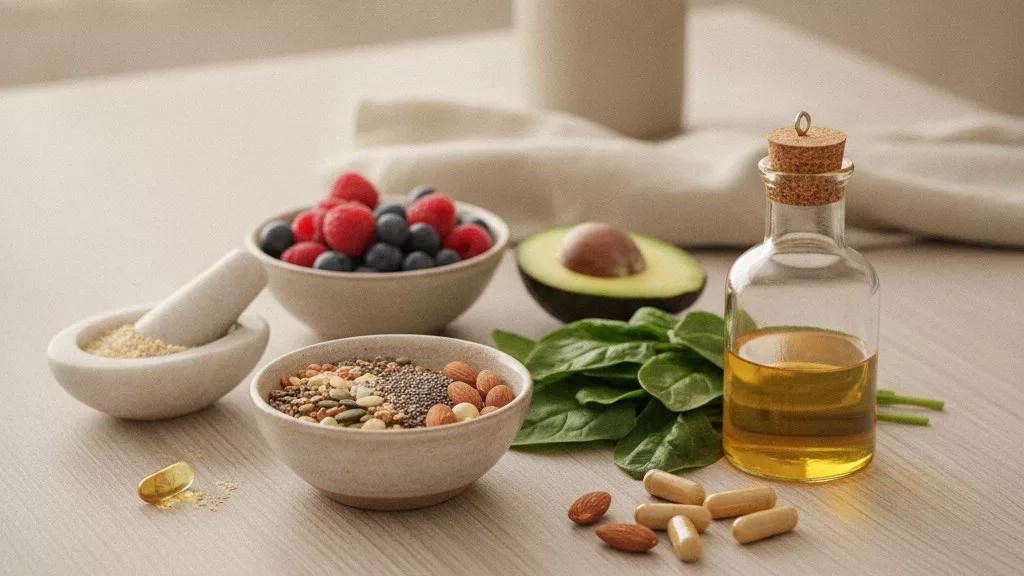
Incorporating it into your daily diet is not difficult, as folic acid is present in many foods. Here are some excellent sources:
- Leafy Greens: Spinach, kale, and broccoli are rich in folic acid. Try to include at least 200 grams of leafy greens in your diet every day.
- Legumes: Lentils, beans, and chickpeas are great sources. A serving of 100 grams of cooked lentils provides about 180 micrograms of folic acid.
- Fruits: Citrus fruits, bananas, and avocados can contribute to folic acid intake. For example, a medium orange contains about 30 micrograms.
- Fortified Cereals: Many breakfast cereals are enriched with folic acid. Check labels to find products that contain at least 100 micrograms per serving.
Folic Acid Supplements: When and How to Take Them
If your diet is not sufficient to meet your folic acid needs, supplements can be a great solution. Experts recommend taking 400 micrograms daily in supplement form, especially during the pre-conception phase and throughout pregnancy. Some supplements contain combinations of folic acid with other vitamins and minerals, such as vitamin B12 or iron, which can support maternal health.
Remember that it’s best to take folic acid in the morning, preferably with meals, to improve absorption. You can opt for well-known brands like Solgar, Nature's Bounty, or Pharmanutra, always checking the label to ensure you are taking the correct dose.
Combining Folic Acid with Other Nutrients
Folic acid intake can be further enhanced by combining it with other essential nutrients. For example, vitamin C promotes the absorption of folic acid, so a good tip is to include citrus fruits or kiwi in every meal.
Additionally, iron is crucial for pregnant women, so it’s helpful to combine foods rich in folic acid with those high in iron, such as lean red meat or beans. A good idea is to prepare a spinach salad with feta and walnuts, paired with a protein source like grilled chicken.
Monitoring Folic Acid Needs
It is important to monitor how much folic acid you consume throughout the day, especially if you are planning a pregnancy or are already pregnant. Keep a food diary for a few weeks and check if you can meet the recommended intake of 400 micrograms per day. Also, pay attention to any symptoms of deficiency, such as fatigue or weakness, which may indicate a need to increase your intake of this nutrient.
You can use apps and online tools to track your diet, which will help you assess if you are meeting your desired nutritional goals. Additionally, remember to consult a health professional if you need personalized advice.
Conclusion: A Step Towards Health
Incorporating folic acid into your daily life is a fundamental step to ensure the health of both mother and child. Whether you are trying to conceive, are pregnant, or are breastfeeding, this essential nutrient cannot be overlooked. Start planning now by including folic acid-rich foods in your diet and considering supplementation if necessary. Don’t forget to monitor your intake and implement effective food combinations. Remember, care starts with you!
Try to make a meal plan for the week to include at least 3 servings of folic acid-rich foods every day. Note how you feel and how your daily energy changes.

Comments
comments.cta_title
comments.cta_text
comments.login_cta
comments.empty_title
comments.empty_text