

Omega-3: What They Are and Why They Are Essential
Omega-3 fatty acids are essential nutrients that the human body cannot synthesize on its own and must be obtained through diet or supplementation. Among the dozens of omega-3 fatty acids found in nature, three are of fundamental importance for human health: alpha-linolenic acid (ALA), found in plant sources like flaxseeds and walnuts; eicosapentaenoic acid (EPA) and docosahexaenoic acid (DHA), primarily found in fatty fish and marine algae.
While ALA is the plant precursor, the conversion to EPA and DHA in the human body is extremely inefficient (less than 5% for EPA and less than 1% for DHA). This explains why the direct consumption of EPA and DHA — through fish or supplements — is considered much more effective for obtaining the benefits associated with these nutrients.
Benefits of Omega-3 Supported by Scientific Research
Cardiovascular Health: Heart Protection
Omega-3s, particularly EPA, have demonstrated significant cardioprotective effects. The REDUCE-IT study, published in the New England Journal of Medicine, showed that 4 grams per day of pure EPA (icosapent ethyl) reduce cardiovascular events by 25% in high-risk patients. Mechanisms include reducing triglycerides (by up to 30-50%), stabilizing atherosclerotic plaque, reducing vascular inflammation, and improving endothelial function.
The American Heart Association recommends 1 gram of EPA+DHA per day for patients with documented coronary artery disease and 2-4 grams per day for those needing to lower triglycerides. Even in primary prevention, regular consumption of omega-3 is associated with reduced cardiovascular risk.
Brain Function and Cognitive Health
DHA makes up about 40% of polyunsaturated fatty acids in the brain and 60% in the retina. It is crucial for the fluidity of neuronal membranes, synaptic transmission, and neurogenesis. Epidemiological studies have highlighted that high omega-3 consumption is associated with a reduced risk of cognitive decline and dementia. In pregnant women, adequate DHA intake is crucial for fetal brain and visual development, especially in the third trimester.
Systemic Anti-Inflammatory Action
Omega-3s are precursors to resolvins and protectins, endogenous molecules that actively resolve inflammation. Unlike anti-inflammatory drugs that block the inflammatory cascade, omega-3s promote the active resolution of inflammation, a physiological process essential for tissue healing. This mechanism explains the benefits observed in chronic inflammatory conditions such as rheumatoid arthritis, inflammatory bowel diseases, and psoriasis.
Eye Health and Vision
DHA is the main structural fatty acid in the retina. The AREDS2 study demonstrated that omega-3 supplementation contributes to the prevention of age-related macular degeneration (AMD), the leading cause of blindness in the elderly in Western countries. A regular intake of at least 250 mg of DHA per day is recommended for maintaining normal visual function.
Joint Health and Mobility
Meta-analyses published in Annals of Rheumatic Diseases confirm that omega-3s significantly reduce joint pain and morning stiffness in rheumatoid arthritis. Doses of 2-3 grams of EPA+DHA per day for at least 12 weeks have allowed many patients to reduce the use of non-steroidal anti-inflammatory drugs (NSAIDs).
Optimal Omega-3 Dosage
Recommendations vary based on the goal:
General health maintenance: 500 mg of EPA+DHA per day. This dose corresponds to about 2-3 servings of fatty fish per week (salmon, mackerel, sardines, anchovies).
Cardiovascular support: 1,000-2,000 mg of EPA+DHA per day. At these dosages, significant benefits on triglycerides, blood pressure, and vascular function are observed.
Anti-inflammatory action: 2,000-4,000 mg of EPA+DHA per day. High doses are necessary to achieve clinically relevant anti-inflammatory effects, comparable to those of NSAIDs in some conditions.
Pregnancy and breastfeeding: at least 200-300 mg of DHA per day, ideally 500 mg of total EPA+DHA.
How to Choose a Quality Omega-3 Supplement
Molecular Form: Triglycerides vs Ethyl Esters
Omega-3s in the form of triglycerides (TG) or re-esterified triglycerides (rTG) have a bioavailability that is 50-70% higher than the ethyl ester (EE) form. Premium products use the rTG form, which combines high concentration and excellent absorption. The phospholipid form (found in krill oil) offers specific advantages but at higher costs.
Concentration of EPA and DHA
Do not just look at the milligrams of total fish oil: what matters is the actual amount of EPA and DHA per capsule. A quality product contains at least 60-80% of EPA+DHA relative to the total weight of the oil. Cheap products often contain only 30%, requiring double the capsules to reach the desired dosage.
Purity and Absence of Contaminants
Fish can accumulate heavy metals (mercury, lead), PCBs, and dioxins. A quality supplement must undergo molecular or supercritical CO2 distillation to eliminate contaminants. Look for IFOS (International Fish Oil Standards) 5-star certifications, which guarantee purity, potency, and freshness.
Freshness Index: The TOTOX Value
Oxidation is the main enemy of omega-3s. Rancid oil not only loses effectiveness but can also be harmful. The TOTOX (Total Oxidation) value should be below 26 according to regulations, but the best products have TOTOX below 10. Capsules with a strong rancid fish odor indicate an oxidized product to avoid.
Plant-Based Omega-3s: The Alternative from Algae
For vegans, vegetarians, or those who prefer to avoid seafood, omega-3s from algae oil represent an excellent alternative. Microalgae are the original source of EPA and DHA in the marine food chain (fish accumulate them by eating algae and organisms that feed on them). Cultivated algae oil in a controlled environment offers pure EPA and DHA, free from marine contaminants, and is environmentally sustainable.
Side Effects and Precautions
Omega-3s are generally very well tolerated. The most common side effects at high dosages include a fish aftertaste, burping, and mild gastrointestinal disturbances, which can be mitigated by taking the capsules during meals or choosing enteric-coated formulations. At dosages above 3 grams per day, omega-3s may have a mild anticoagulant effect: those taking anticoagulant medications (warfarin, heparin) should consult their doctor before supplementation.
Frequently Asked Questions about Omega-3s
Is fish oil or krill oil better?
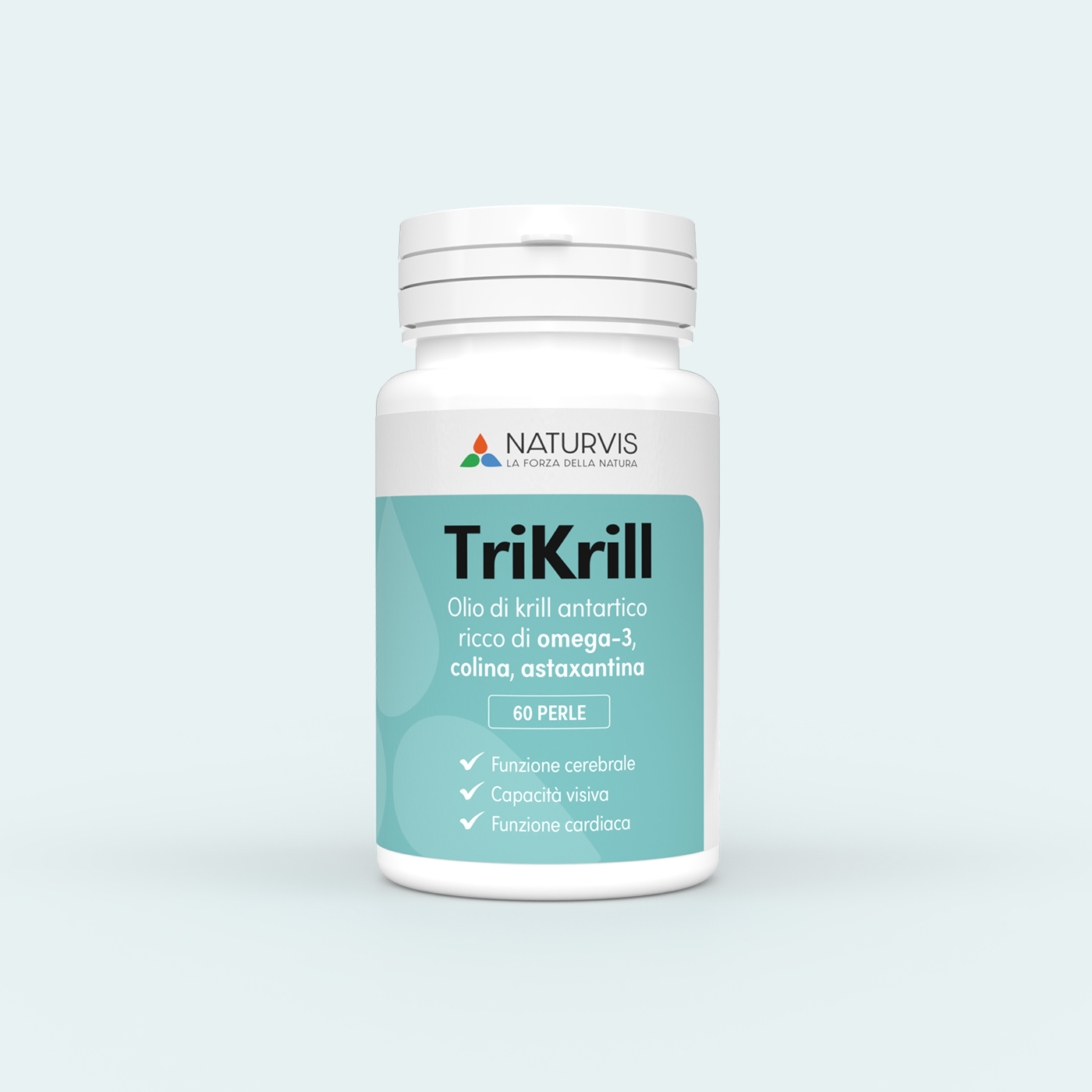
Krill oil contains omega-3s in phospholipid form with good bioavailability, plus astaxanthin as an antioxidant. However, the concentration of EPA+DHA is much lower compared to a good concentrated fish oil. In terms of value for money, a high-concentration fish oil in rTG form remains the best choice for most people.
How long does it take to see the benefits?
Omega-3 levels in cell membranes reach a steady state after about 3-4 months of consistent supplementation. Some benefits (such as reduced triglycerides) can be observed after just 2-4 weeks, while anti-inflammatory and cognitive effects generally require 8-12 weeks of regular intake.
Conclusions
Omega-3 EPA and DHA are among the supplements with the broadest scientific support. Their action on the heart, brain, inflammation, and joints makes them a cornerstone of modern preventive medicine. The key is to choose a high-quality product, with adequate concentrations of EPA+DHA in triglyceride form, and to maintain it as a long-term daily habit.



Comments 3
comments.cta_title
comments.cta_text
comments.login_cta