
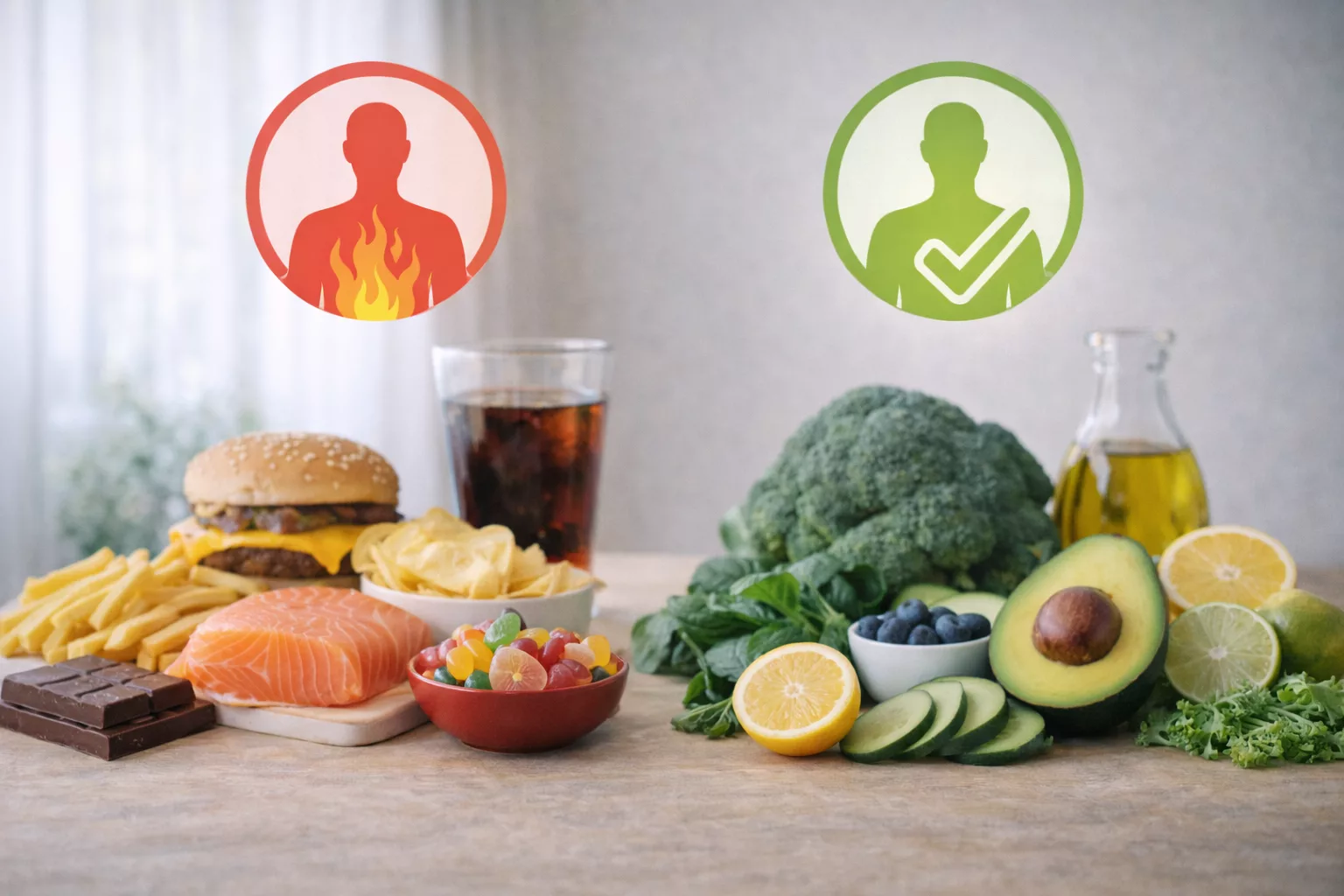
When we get injured or contract an infection, inflammation is the body's protective response: redness, heat, swelling, and pain are the signals that the immune system is intervening to repair the damage. This is acute inflammation, necessary and beneficial. But there is another form of inflammation, very different and decidedly dangerous: silent chronic low-grade inflammation.
A fire that burns without flames
Silent chronic inflammation does not produce obvious symptoms. There is no fever, no acute pain, no visible swelling. Yet, deep down, the immune system remains constantly activated at low intensity, producing a continuous flow of pro-inflammatory molecules (cytokines, interleukins, prostaglandins) that, day after day, month after month, year after year, deteriorate tissues and predispose to the development of chronic diseases.
Today, the scientific community recognizes silent chronic inflammation as the common denominator of many of the most widespread diseases in the Western world: diabetes, cardiovascular diseases, neurodegenerative disorders, autoimmune diseases, and numerous forms of cancer.
The role of diet
Among the factors that fuel chronic inflammation, diet occupies a central position. The food we introduce every day can act as gasoline on the inflammatory fire or as water to extinguish it.
Foods that promote inflammation
- Refined sugars and industrial sweets: trigger glycemic and insulin spikes that activate inflammatory pathways
- White flours and ultra-processed products: low in nutrients and high in additives, overload the metabolism
- Trans fats and refined vegetable oils: alter cell membranes and promote the production of inflammatory cytokines
- Excess red meat and processed meats: arachidonic acid contained in them is a direct precursor of inflammatory prostaglandins
- Excess alcohol: damages the intestinal barrier and the liver, amplifying systemic inflammation
- Fried foods and high-temperature cooking: produce toxic compounds (acrylamide, AGEs) that stimulate the inflammatory response
Foods that counteract inflammation
- Leafy green vegetables: rich in antioxidants, chlorophyll, and alkalizing minerals
- Berries: among the most concentrated sources of anti-inflammatory polyphenols
- Fatty fish: the richest natural source of omega-3, powerful modulators of inflammation
- Extra virgin olive oil: contains oleocanthal, a molecule with anti-inflammatory properties comparable to ibuprofen
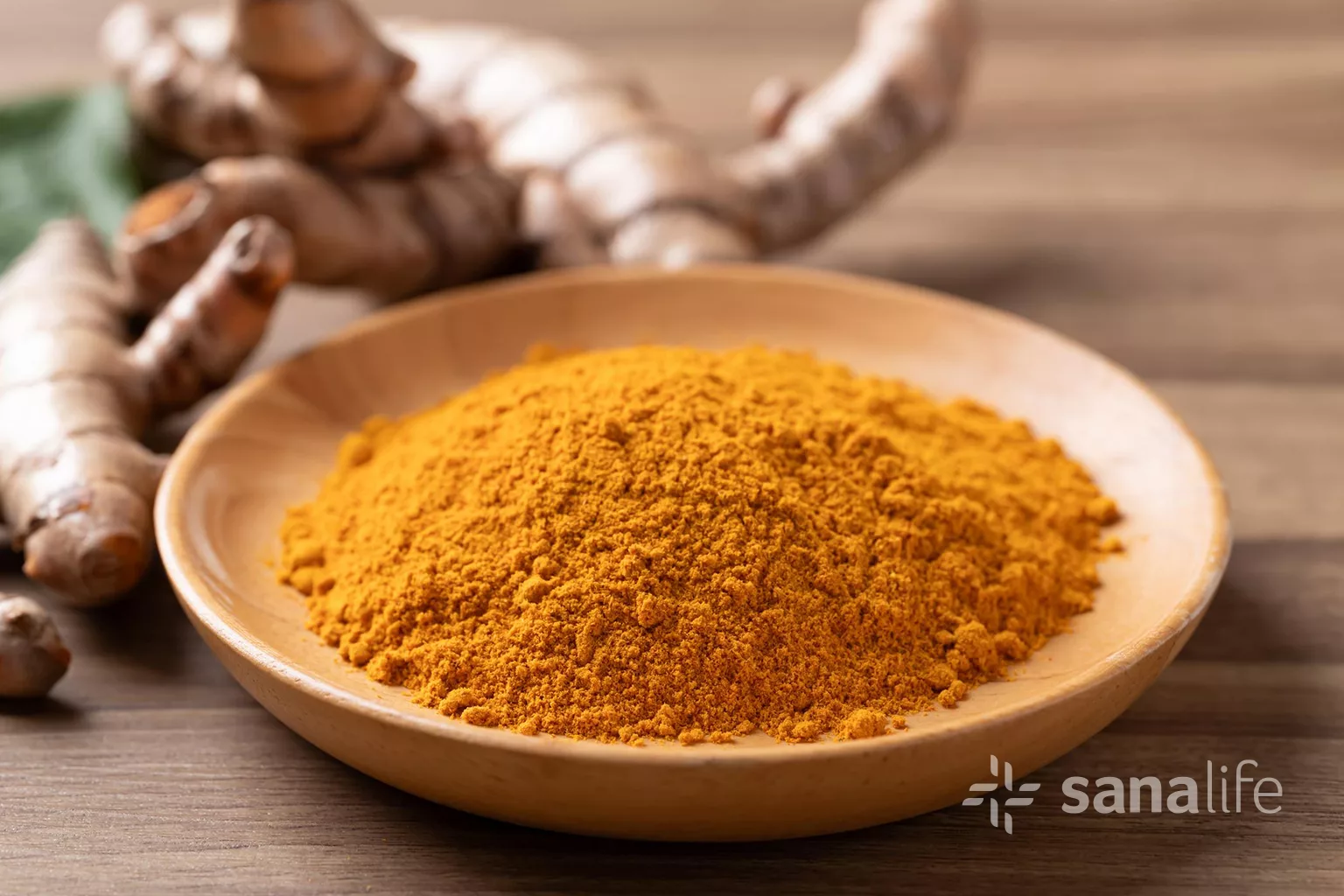
- Turmeric and ginger: spices with documented anti-inflammatory activity
- Nuts and seeds: sources of plant-based omega-3, vitamin E, and minerals
- Legumes: rich in fibers that nourish the gut microbiota, a key ally in regulating inflammation
The gut: the crossroads of inflammation
The gastrointestinal tract hosts about 70% of the immune system. The health of the gut microbiota — the billions of bacteria that populate our intestines — is crucial for the level of inflammation throughout the body. A diet rich in plant fibers, fermented foods, and low in ultra-processed foods promotes a diverse and healthy microbiota, capable of modulating the immune response and keeping inflammation in check.
Conversely, an unbalanced diet alters the microbiota (dysbiosis), compromises the intestinal barrier, and allows the passage into the bloodstream of bacterial fragments and toxins that chronically activate the immune system.
Beyond the plate: an anti-inflammatory lifestyle
Diet is the main pillar, but an anti-inflammatory lifestyle also includes:
- Regular movement: moderate exercise has a powerful anti-inflammatory effect
- Quality sleep: during deep sleep, anti-inflammatory cytokines are produced
- Stress management: chronically elevated cortisol fuels inflammation
- Contact with nature: reduces inflammatory markers in the blood
- Positive social relationships: social isolation is a documented pro-inflammatory factor
Silent chronic inflammation is the price our body pays for a lifestyle far from the needs for which it was designed. The good news is that by changing what we put on our plate and how we live our days, we can significantly reduce this invisible fire and protect our health in the long term.


Comments 4
comments.cta_title
comments.cta_text
comments.login_cta