
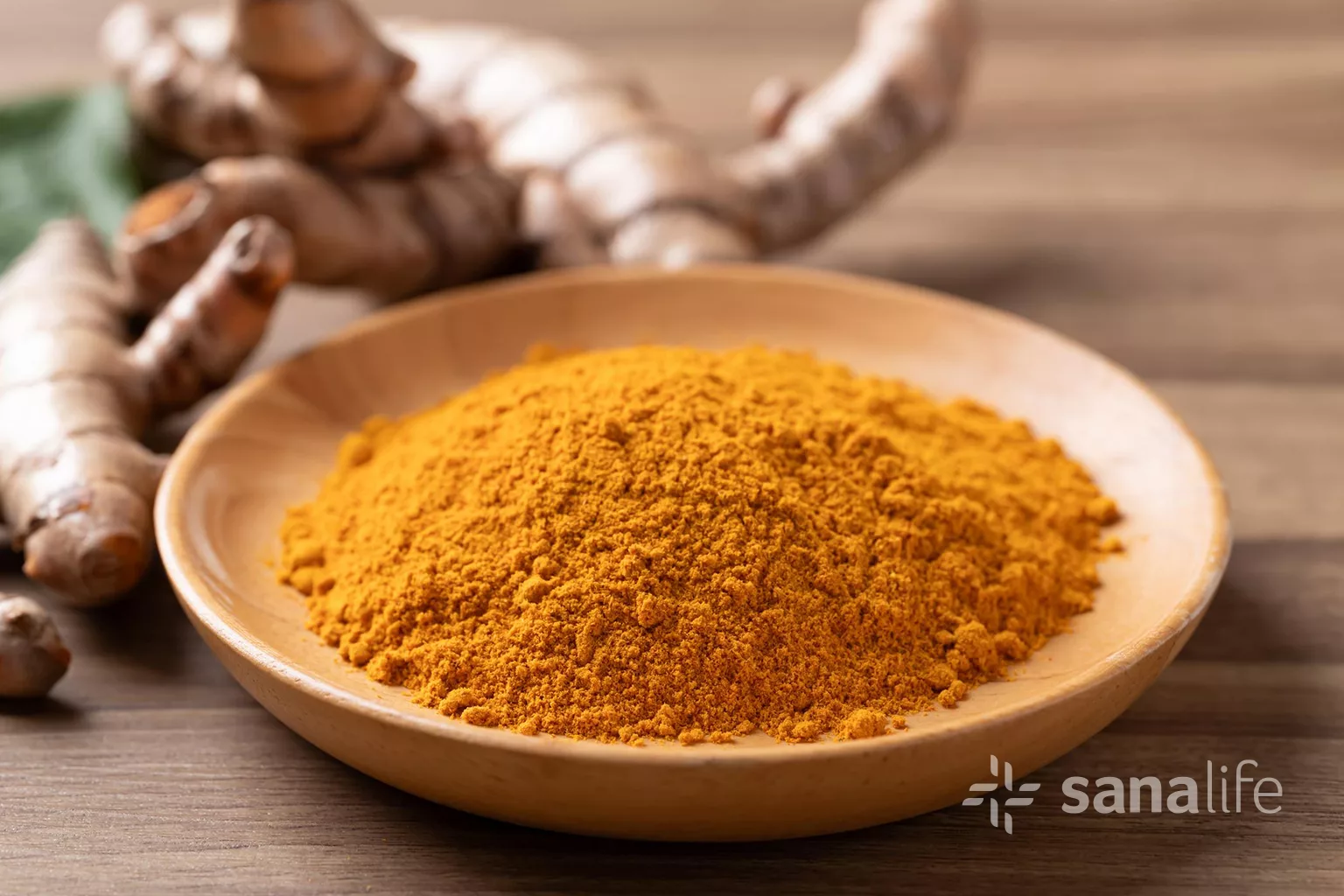
Turmeric: From Ancient Spice to Modern Supplement
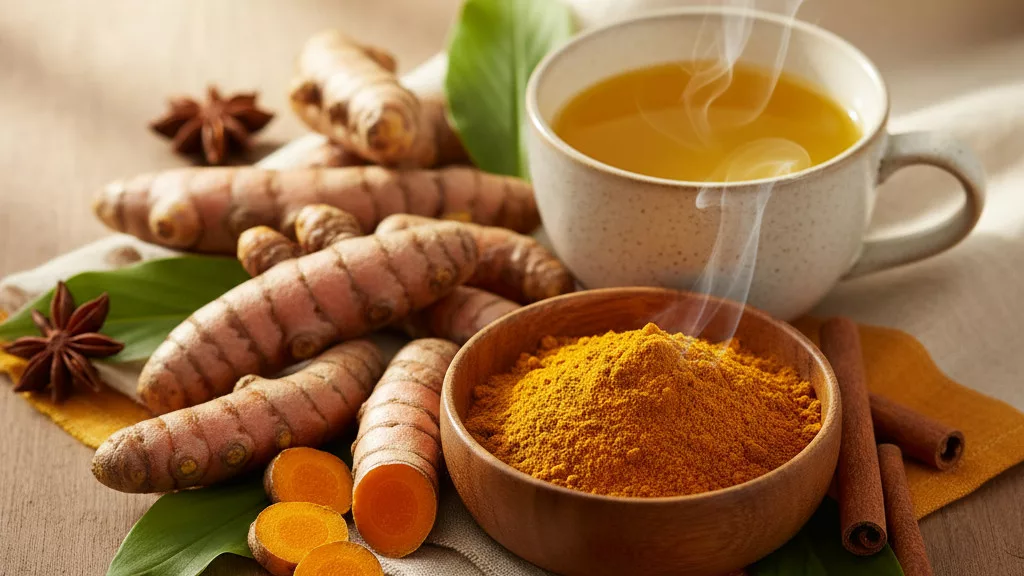
Turmeric (Curcuma longa) is a golden spice used for millennia in Ayurvedic medicine and Asian culinary tradition. Its main active ingredient, curcumin, has been the subject of over 15,000 scientific publications investigating its anti-inflammatory, antioxidant, anticancer, and neuroprotective properties. Yet, curcumin presents a unique paradox in the world of supplements: it has extraordinary therapeutic potential but an extremely low natural bioavailability.
When consuming turmeric powder, less than 1% of curcumin is actually absorbed into the bloodstream. The rest is quickly metabolized in the liver (first-pass effect) and eliminated. This means that eating curry, however healthy, does not provide therapeutic doses of curcumin. Modern research has therefore focused on developing high bioavailability formulations that make curcumin effectively usable by the body.
Curcumin Properties Supported by Science
Anti-inflammatory Action: Inhibition of NF-κB
Curcumin is a powerful inhibitor of nuclear factor kappa B (NF-κB), the main regulator of cellular inflammation. NF-κB controls the expression of over 500 genes involved in inflammation, including pro-inflammatory cytokines (TNF-α, IL-1β, IL-6), cyclooxygenases (COX-2), and metalloproteinases. By inhibiting NF-κB, curcumin acts at the root of the inflammatory cascade, with a broader action compared to conventional anti-inflammatory drugs that block individual mediators.
Clinical studies have shown that high bioavailability curcumin can significantly reduce inflammatory markers (PCR, ESR, IL-6), with results comparable in some cases to ibuprofen for osteoarthritis pain, but without the gastrointestinal side effects of NSAIDs.
Antioxidant Properties
Curcumin is a powerful direct antioxidant, capable of neutralizing free radicals of oxygen and nitrogen. But its most important effect is indirect: it activates the transcription factor Nrf2, which in turn stimulates the production of endogenous antioxidant enzymes (superoxide dismutase, catalase, glutathione peroxidase, heme oxygenase-1). This effect is much more powerful and long-lasting than direct antioxidant action, as it amplifies the body's own antioxidant defenses.
Joint Health and Osteoarthritis
Meta-analyses of randomized clinical studies confirm that curcumin significantly reduces pain and improves joint functionality in knee osteoarthritis. A comparative study showed that 1,500 mg of curcuminoids per day is as effective as 1,200 mg of ibuprofen in reducing pain, with a significantly superior safety profile. Curcumin does not cause gastric erosion, does not increase cardiovascular risk, and does not harm kidneys or liver.
Digestive Support
Curcumin stimulates bile production, improving fat digestion and reducing bloating and dyspepsia. Studies have shown benefits in irritable bowel syndrome and ulcerative colitis as a complementary therapy. Its anti-inflammatory action on the intestinal mucosa may contribute to healing altered intestinal permeability.
Neuroprotection and Mood
Curcumin crosses the blood-brain barrier and has demonstrated neuroprotective properties in preclinical studies. It stimulates the production of BDNF (Brain-Derived Neurotrophic Factor), a key protein for neuroplasticity and neuronal survival. Clinical studies have highlighted significant antidepressant effects, with results comparable to fluoxetine in patients with moderate depression. Curcumin increases serotonin and dopamine levels by inhibiting their enzymatic degradation (MAO).
The Bioavailability Problem and Solutions
Curcumin with Piperine
Piperine (black pepper extract) is the classic enhancer: it inhibits hepatic glucuronidation, increasing the bioavailability of curcumin by 2,000% (20 times). The downside is that piperine can also increase the absorption of drugs, causing potential interactions. Not recommended for those taking medications with a narrow therapeutic window. Bioavailability: about 20x compared to standard curcumin.
Phytosomal Curcumin (Meriva)
Curcumin is complexed with soy phospholipids (phosphatidylcholine), creating a liposoluble phytosome that easily crosses cell membranes. It is the most clinically studied formulation, with over 35 published studies. Bioavailability: about 29x compared to standard curcumin.
Micellar Curcumin (NovaSOL)
Micelle technology incorporates curcumin into water-soluble structures. It achieves the highest bioavailability among all formulations. Bioavailability: about 185x compared to standard curcumin. Requires very low dosages (20-80 mg vs 500-1500 mg of traditional formulations).
Curcumin with Turmerones (C3 Reduct)
Formulation that combines curcuminoids with turmerones, bioactive compounds from turmeric essential oil that enhance absorption and biological activity. Good balance between efficacy and cost.
Curcumin Dosage
The dosage depends on the formulation and therapeutic goal:
Standard curcumin with piperine: 500-1,500 mg of curcuminoids per day, divided into 2-3 doses with meals.
Phytosomal curcumin (Meriva): 200-1,000 mg per day. The osteoarthritis study used 1,000 mg/day.
Micellar curcumin (NovaSOL): 20-80 mg per day is sufficient due to the extremely high bioavailability.
Timing of intake: always with meals containing fats to improve absorption. Curcumin is liposoluble, and taking it on an empty stomach drastically reduces absorption (except for micellar formulations).
Contraindications and Interactions
Curcumin is generally very safe at standard dietary and supplemental dosages. However, it is important to know the precautions: it stimulates bile flow, so it is contraindicated in case of gallstones or bile duct obstruction; it can enhance the effect of anticoagulant and antiplatelet drugs; piperine can increase the absorption of many drugs — consult a doctor if taking chronic therapies; discontinue 2 weeks before surgical procedures due to potential antiplatelet effects.
Frequently Asked Questions
Is turmeric in cooking sufficient?
A teaspoon of turmeric powder contains about 200 mg of curcuminoids, of which less than 1% is absorbed. To achieve therapeutic effects comparable to those in clinical studies, unrealistic amounts of dietary turmeric would be needed. The spice remains an excellent functional food with digestive benefits, but for specific therapeutic goals, a high bioavailability supplement is necessary.
Can curcumin replace anti-inflammatory drugs?
In mild to moderate chronic inflammatory conditions (osteoarthritis, muscle pain, low-grade inflammation), curcumin can be an effective alternative or complement that allows for a reduction in NSAID dosage. For acute or severe conditions, it should not replace prescribed medications without medical supervision.
Conclusions
Curcumin is a natural compound with an impressive range of therapeutic properties supported by research. Overcoming the bioavailability problem through modern formulations (phytosomes, micelles, nanoparticles) has finally made it possible to harness its potential. For those seeking an effective natural anti-inflammatory support, a high bioavailability curcumin supplement represents one of the most rational and scientifically founded choices.

Comments 3
comments.cta_title
comments.cta_text
comments.login_cta