
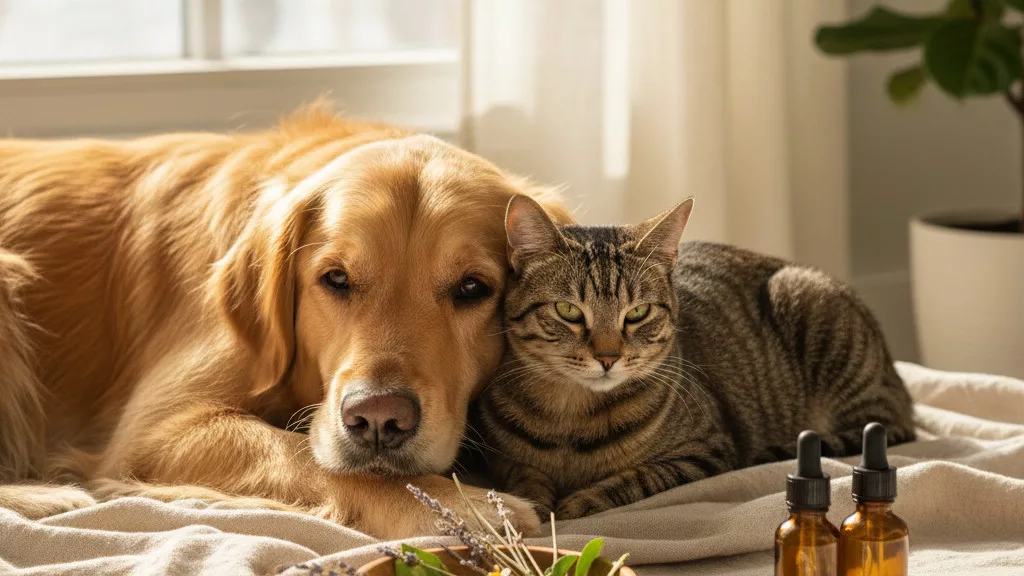
Introduction to Pest Control for Dogs and Cats
The health of your pets is a priority, and one of the most important aspects is protection from parasites such as fleas, ticks, and worms. In this article, we will explore when and how to start a pest control program for dogs and cats, providing practical advice to keep them healthy and protected throughout the different seasons of the year.
When to Start with Pest Control?
There is no one-size-fits-all answer for all animals, as the right time to start administering pest control can vary based on several factors:
- Age of the animal: Puppies and kittens can start receiving pest control from 6-8 weeks of age, according to the recommendations of the Higher Institute of Health.
- Season: Spring and summer are the times when pests are most active. It is advisable to start treatment well before the arrival of nice weather to ensure effective protection.
- Environment: If you live in a particularly infested area, you might consider starting treatment even during winter.
Practical Tips to Start
You can start your pest control program by following these simple steps:
- Consult the Veterinarian: Before starting any treatment, it is essential to discuss with your veterinarian to choose the most suitable product for your animal.
- Choose the Right Product: There are various forms of pest control, including collars, spot-on treatments, and tablets. Assess which is most suitable based on your lifestyle and your animal's needs.
- Establish a Treatment Schedule: Schedule the treatment according to the product's instructions and your veterinarian's recommendations. Some pest controls need to be administered monthly, while others may have a longer duration.
Types of Pest Control and How to Choose
When it comes to pest control, the choice is wide. Here are the main types and their characteristics:
- Pest Control Collars: They offer continuous protection and are water-resistant. Collars can be suitable for medium and large dogs, while for cats, it is important to choose lightweight models.
- Spot-On Treatments: Easy to apply and allow for quick absorption. They are particularly effective against fleas and ticks, and specific products can be used for dogs and cats of different sizes.
- Tablets: Usually used for internal protection against worms and intestinal parasites. Ensure that your animal is willing to take tablets, as they may be more difficult to administer.
Tips for Choosing and Applying
When choosing a product for your animal, consider the following aspects:
- Size and Weight: Follow the packaging instructions regarding your animal's weight; an inadequate dosage can be ineffective or even dangerous.
- Check the Ingredients: Some animals may be allergic to certain ingredients. Read the label carefully and consult the veterinarian if you have doubts.
- Observe Reactions: After application, keep an eye out for any adverse reactions. Contact the veterinarian immediately if you notice signs of discomfort or allergy.
Pest Control and Seasons: Adapting the Program
Protection from pests should be adapted to the different seasons. Here’s how to navigate:
Spring
This is when fleas and ticks begin to re-emerge. Plan to renew treatments at the beginning of March. You can start with a flea treatment every 30 days.
Summer
With rising temperatures, pests proliferate. Increase the frequency of treatments and consider adding a repellent spray for the garden.
Autumn
Even though temperatures begin to drop, pests can still be present. Maintain the initial treatment program and consider a check-up with the veterinarian.
Winter
In some regions, pests may be less active, but they do not disappear entirely. If your animal has access to the outdoors, continue administering treatments, especially against intestinal worms.
Monitor Your Animal
It is essential to monitor your animal after applying pest control. Here are some things to keep an eye on:
- Behavior: An increase in restlessness may be a sign of discomfort. Pay attention to changes in their mood.
- Skin and Coat: Inspect your animal's coat for signs of irritation or allergies. If you notice red areas or itching, consult the veterinarian.
- Check Feces: If you are using pest control against worms, observe any changes in your animal's feces. The presence of worms in the feces requires a veterinary visit.
Useful Resources and Conclusions
To keep your animals safe, educate yourself and use the available resources. A good starting point is the guidelines from the Higher Institute of Health and the Ministry of Health, which provide detailed information on pest control treatments.
In conclusion, an effective pest control program can make a difference in your pet's health. Start today to protect your four-legged friend and make them part of your healthy and happy family. Don’t forget to note any changes and schedule regular veterinary check-ups.



Comments
comments.cta_title
comments.cta_text
comments.login_cta
comments.empty_title
comments.empty_text