

Introduction: The Risk of Insect Bites in Spring
With the arrival of spring, temperatures begin to rise and nature awakens, inviting us to spend more time outdoors. However, this season brings an increased risk of insect bites, particularly from mosquitoes, bees, and horseflies. Being aware of the risks and taking preventive measures is essential to enjoy outdoor activities safely.
Insect bites can cause discomfort, allergic reactions, and, in some cases, more serious illnesses. In this article, we will explore the best natural remedies and prevention strategies to protect yourself during spring.
Knowing Insects: Types and Behaviors
To effectively protect yourself from bites, it is important to first understand the different types of insects you may encounter during your outdoor activities. Each insect has specific behaviors and habitats that can influence the likelihood of being bitten.
Mosquitoes
Mosquitoes are among the most common problematic insects in spring and summer. They are attracted to carbon dioxide and body heat. They tend to be more active at dusk and dawn, making these times particularly risky for bites.
Bees and Wasps
Bees and wasps become more active in spring as they start searching for food. Bees tend not to attack unless they feel threatened, while wasps can be more aggressive, especially if they are near sweet foods.
Horseflies
Horseflies, known for their painful bites, are active during the day and are often found in wooded areas or near bodies of water. Their presence increases with heat and humidity.
Warning Signs: When to Worry About a Bite
Not all insect bites are the same, and while many can be managed with simple remedies, it is important to recognize when it is necessary to consult a doctor. Insect bites can lead to allergic reactions or infections that require medical attention.
Allergic Reactions
Allergic reactions can range from mild to severe. Common symptoms include itching, swelling, and redness. However, in case of difficulty breathing, dizziness, or facial swelling, it is crucial to contact a doctor immediately.
Infections
If a bite shows signs of infection, such as pus, persistent redness, or fever, it is essential to consult a healthcare professional. Infections can develop if bacteria enter the skin through the bite.
Insect-Borne Diseases
Some insects, such as mosquitoes, can transmit diseases like dengue, Zika virus, or West Nile virus. Be informed about the risks in your area and consult a doctor if you experience unusual symptoms after a bite.
Prevention: How to Reduce the Risk of Bites
Prevention is key to enjoying outdoor activities worry-free. Here are some effective strategies to reduce the risk of insect bites during spring.
Appropriate Clothing
Wearing long, light-colored clothing can help protect the skin from bites. Dark colors tend to attract more insects, while light colors may be less appealing to them.
Use Natural Repellents
Natural repellents, made from ingredients like citronella oil, lemon eucalyptus oil, and neem oil, can be effective in keeping insects away. Apply them to exposed areas of the skin before going outside.
Limit Outdoor Activities During Peak Times
Try to avoid being outdoors during peak insect activity times, such as at dusk and dawn, when mosquitoes are most active.
Natural Remedies to Alleviate Bite Symptoms
If you do get bitten, there are several natural remedies that can help reduce itching and swelling. Here are some of the most effective:
Aloe Vera
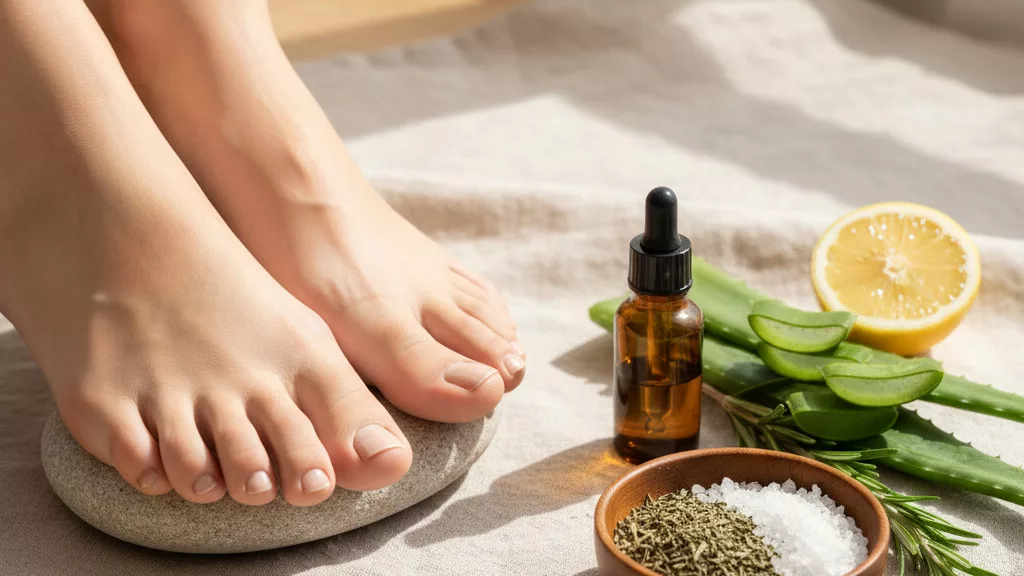
Aloe vera is known for its soothing and anti-inflammatory properties. Applying aloe vera gel directly to the bite can relieve itching and promote skin healing.
Apple Cider Vinegar
Apple cider vinegar is a great remedy for relieving itching. Apply some with a cotton ball to the affected area for a calming effect.
Lavender Oil
The calming properties of lavender oil can help reduce itching and inflammation. Use it diluted in a carrier oil and gently massage it onto the bite.
DIY Remedies: Making Your Own Natural Repellent
If you want complete control over the ingredients, you can make your own natural repellent at home. Here’s a simple recipe:
Citronella Oil Repellent
Ingredients:
- 30 ml of jojoba or sweet almond oil
- 10 drops of citronella essential oil
- 5 drops of lemon eucalyptus essential oil
Mix the ingredients in a spray bottle and shake well before each use. Spray on exposed areas of the skin and reapply every few hours.
Behaviors to Avoid: What Not to Do During Outdoor Activities
There are certain practices that can increase the likelihood of being bitten by insects. Here’s what to avoid:
Perfumes and Fragrant Products
Avoid wearing strong perfumes or scented skincare products, as they can attract insects.
Dark and Uncomfortable Clothing
Do not wear dark clothing, as it can attract more insects. Additionally, tight clothing can facilitate bites.
Sweets Outdoors
Avoid eating sweet foods outdoors, as they can attract bees and wasps. Always keep food covered and clean up any crumbs immediately.
Conclusions: Enjoying Spring Safely
Spring is a wonderful season to explore nature and enjoy outdoor activities. However, it is essential to be prepared and informed about the risks associated with insect bites. Taking preventive measures, using natural remedies, and knowing the warning signs will help you enjoy this season safely.
Investing in your health and well-being during outdoor activities will not only protect you from insect bites but also allow you to fully appreciate the beauty of spring. Remember, prevention is key to a serene and worry-free outdoor experience.


Comments
comments.cta_title
comments.cta_text
comments.login_cta
comments.empty_title
comments.empty_text