

Introduction to Allergies in Pregnancy
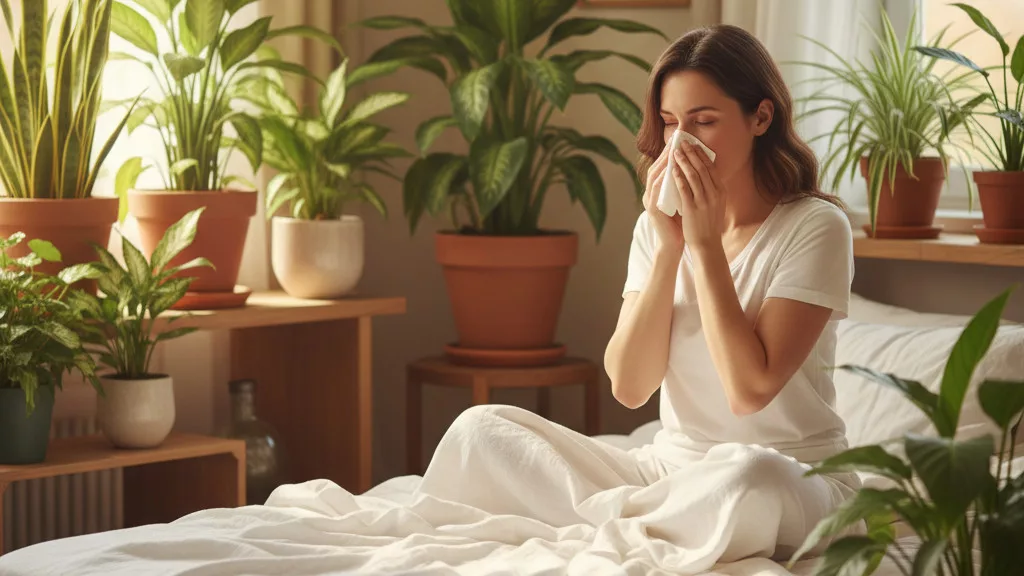
During pregnancy, many women may experience allergies of various types, due to hormonal changes and alterations in the immune system. Allergies can manifest with symptoms such as nasal congestion, sneezing, itching, and eye irritation. It is essential to address these disorders safely for the well-being of both mother and child.
In this article, we will explore the use of natural remedies and non-pharmacological strategies to alleviate allergies during pregnancy, providing safe alternatives and practical advice for expectant mothers.
Understanding Allergies: Causes and Symptoms
Allergies occur when the immune system reacts excessively to normally harmless substances, such as pollen, pet dander, or dust. During pregnancy, a woman's body undergoes numerous changes, including hormonal ones, which can affect how the immune system responds to these allergens.
Allergy symptoms can range from mild to severe and may include:
- Nasal congestion: A common sign of allergy that can cause discomfort.
- Frequent sneezing: The body's reaction to exposure to allergens.
- Itchy eyes: Irritation that can be particularly bothersome.
- Coughing and wheezing: May indicate a more severe allergic reaction.
It is important to monitor symptoms and consult a doctor if an allergy is suspected, as in some cases, symptoms may be similar to those of other conditions.
Antihistamines and Pregnancy: What to Know
Many doctors may recommend the use of antihistamines during pregnancy to relieve allergy symptoms. However, it is essential to do so under the supervision of a healthcare professional, as not all medications are safe during this delicate period.
Some antihistamines, such as loratadine and cetirizine, are generally considered safer than others, while medications like diphendydramine may be discouraged. The choice of antihistamine depends on various factors, including the severity of symptoms and the patient's medical history.
It is important to remember that, although antihistamines can provide immediate relief, they do not address the underlying cause of allergies and should be used as a last resort.
Natural Remedies to Alleviate Allergies
There are several natural remedies that can help manage allergy symptoms without the use of medications. Here are some of the most effective:
- Nasal rinses: Using a saline solution to irrigate the nasal cavities can reduce congestion and remove allergens.
- Humidifiers: Maintaining a humid environment can help reduce dryness and irritation of the airways.
- Herbs and medicinal plants: Some herbs, such as thyme and chamomile, have anti-inflammatory properties and can be used in infusions or inhalations.
- Apple cider vinegar: Considered a natural remedy, it can help reduce congestion when taken in small amounts.
- Essential oils: Some oils, such as eucalyptus oil and lavender oil, can be helpful in alleviating allergy symptoms when diffused in the air or used for massages.
These remedies, while generally considered safe, should always be discussed with a doctor before being used during pregnancy.

Non-Pharmacological Strategies for Well-Being
In addition to natural remedies, there are several non-pharmacological strategies that can be helpful in alleviating allergy symptoms during pregnancy:
- Environmental modification: Keeping the home clean and dust-free, avoiding strong perfumes, and limiting exposure to allergens such as pollen and pet dander.
- Physical activity: Regular exercise can improve the immune system and reduce stress, contributing to better allergy management.
- Balanced diet: Following a healthy and balanced diet can support the immune system and reduce inflammation.
- Relaxation practices: Techniques such as yoga and meditation can help reduce stress and improve overall well-being.
These strategies can be integrated into daily routines to enhance quality of life during pregnancy.
When to Consult a Doctor
It is crucial to know when it is necessary to consult a doctor regarding allergies during pregnancy. Some signs that require medical intervention include:
- Severe allergic reactions: Such as difficulty breathing, swelling of the face or throat.
- Persistent symptoms: If symptoms do not improve with natural remedies or worsen over time.
- Questions about medications: If considering taking antihistamines or other medications and have doubts about their safety.
In case of uncertainties, it is always best to seek advice from a healthcare professional to ensure the safety of both mother and child.
Final Considerations
Dealing with allergies during pregnancy can be challenging, but with the right information and strategies, it is possible to manage symptoms effectively and safely. The use of natural remedies and non-pharmacological approaches can provide significant relief, allowing expectant mothers to experience a more serene gestation period.
Always remember to consult your doctor before undertaking any therapy or natural remedy and to closely monitor symptoms to ensure the well-being of both mother and child.


Comments 3
comments.cta_title
comments.cta_text
comments.login_cta