
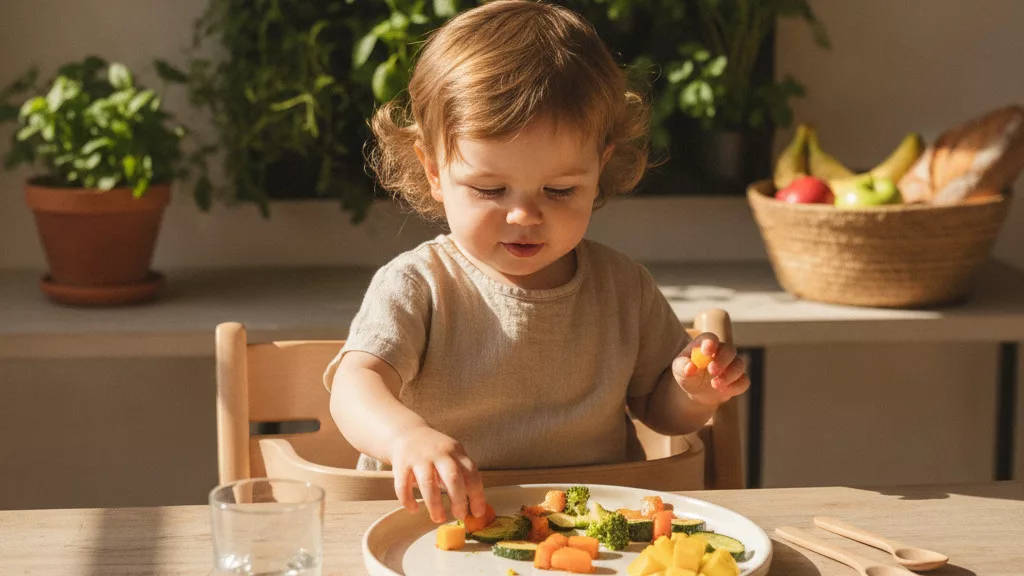
Introduction to Chunked Food
The transition to solid food is a crucial moment in children's lives. Chunked food, or baby-led weaning, represents an innovative method for introducing solid foods, allowing little ones to independently explore new flavors and textures. In this article, we will analyze how this approach can not only facilitate the weaning process but also promote greater interest in food and independence in children.
Classic Weaning vs. Self-Weaning
The choice between classic weaning and self-weaning can be complex. Classic weaning involves the gradual introduction of purees and homogenized foods, usually starting at six months. The idea is that parents control the children's feeding, choosing the timing and methods.
In contrast, self-weaning allows children to gradually explore solid foods when they wish, promoting a more natural and intuitive approach. According to the World Health Organization (WHO), children should be encouraged to eat alongside adults and to experiment with different foods, which aligns with the principles of self-weaning.
Practical Tip: If you choose self-weaning, present foods that are easy to grasp and chew, such as sticks of boiled carrot or slices of avocado, to stimulate their interest and independence.
The Role of Chunked Food in Child Development
Chunked food is not just a method of feeding, but a way to stimulate learning and motor development in children. Little ones can explore different textures, colors, and flavors, developing their motor skills and senses.
Chewing and manipulating food helps children improve their hand-eye coordination and oral muscle strength. Furthermore, this interaction with food increases curiosity and the desire to explore new food options.
Practical Tip: Try offering a wide variety of chopped fruits and vegetables, such as slices of banana, cucumbers, and pieces of apple. Regularly change the proposed foods to maintain interest.
Benefits of Food Independence
Promoting independence in children during meals not only helps in the transition to solid food but also has lasting effects on their attitude towards food. Children who actively participate in their meals tend to develop a healthier relationship with food and are less likely to develop problematic eating habits in the future.
Many parents have noticed that their children, once encouraged to choose what to eat, show a greater inclination to taste new foods. This is supported by various research indicating that children who eat independently tend to consume a wider variety of foods.
Practical Tip: Encourage your child to choose between two or three food options, such as steamed broccoli or raw carrots, to reinforce their independence and interest.
Strategies for Introducing Chunked Food
To adopt the chunked food method, it is essential to consider some strategies that will facilitate the introduction to solid foods. A good practice is to start with soft and easy-to-chew foods, presenting them in shapes that the child can easily grasp.
Starting with foods like mashed potatoes, ripe bananas, or avocado is an excellent starting point. As the child gains confidence, you can introduce more complex and textured foods.
Practical Tip: Make meals a time for sharing. Eating together with your child not only creates a family environment but also encourages the imitation of good eating habits.
Managing Nutritional Needs
It is essential to ensure that little ones receive the nutrients they need during this phase. Children in the weaning stage must have a balanced diet that includes grains, proteins, fruits, and vegetables.
Incorporating sources of protein such as lean meat, fish, and legumes is essential. The nutritional guidelines from the National Institute of Health suggest including at least 2-3 servings of protein every day, alongside plenty of fruits and vegetables.
Practical Tip: Prepare a colorful plate with different foods for each meal. A plate made up of slices of chicken, carrots, and chopped peaches is not only inviting but also ensures a balanced nutrient intake.
Addressing Common Challenges
Introducing chunked food may encounter challenges, such as food selectivity or reluctance to chew. It is important to remain patient and encourage children to explore foods without forcing them. Offering a variety of foods and allowing children to decide when to eat is crucial for their development.
If a child refuses a food, do not force it. You can try again after a few weeks. It has been shown that repeated exposure to a food increases the likelihood that the child will accept it in the future.
Practical Tip: Keep a food diary to monitor which foods your child accepts and which they refuse. This can help you plan future meals and diversify the food offerings.
Conclusion: A Path Towards Food Independence
Adopting chunked food is not just a way to feed children, but represents an important step towards their food independence. Through exploration and choice of food, little ones develop more balanced diets and a healthy relationship with food.
Encouraging children to participate in the food process can make a difference. Every meal becomes an opportunity to learn and grow. Do not be afraid to experiment and adapt feeding to your child's needs.
Call to Action: Start today by offering chunked foods and observe how your child develops. Try to dedicate time each day to allow them to explore new flavors and textures, and note the changes in their interest in food.


Comments
comments.cta_title
comments.cta_text
comments.login_cta
comments.empty_title
comments.empty_text