
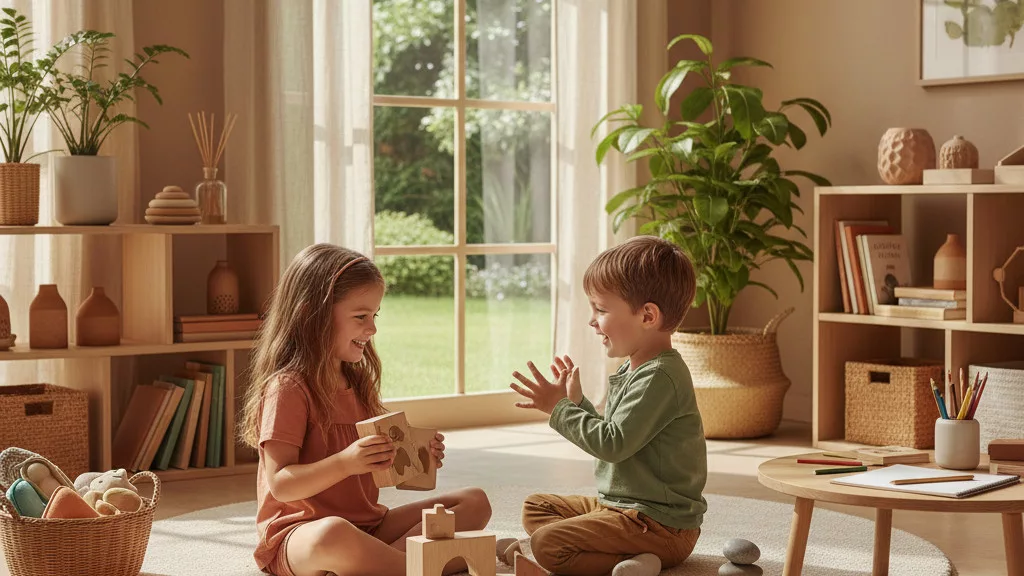
Introduction: The Importance of Communication in Children
Communication is an essential skill for every child. It is through language that they express feelings, desires, and build relationships. However, not all children develop these skills at the same pace. When communication difficulties arise, intervention may be necessary. Speech therapy represents a valid support, but there are also practical and playful techniques that parents and educators can use right away.
Understanding Communication Difficulties in Children
Communication difficulties can manifest in various ways, from language delays to comprehension issues. According to the Higher Institute of Health, about 10% of children may present significant language difficulties. It is essential for parents to be aware of these signs and intervene early to ensure adequate support. Some signs to consider include:
- Delays in babbling or first words
- Difficulties in constructing simple sentences
- Lack of interaction during play
Speech Therapy: When and How to Intervene
When communication difficulties manifest, speech therapy can be crucial. Speech therapists not only help children develop their language skills but also provide parents with practical tools. It is advisable to contact a professional if the child shows signs of persistent difficulties. Early intervention can make a difference: the early stages of language development are critical.
Playing to Communicate: Playful Learning Techniques
Play is a powerful tool for improving communication. Through playful activities, children can learn new vocabulary, improve their pronunciation, and develop social communication skills. For example, role-playing games are extremely effective:
- Supermarket Play: Use everyday objects to simulate a shopping experience, encouraging the child to name items and formulate sentences.
- Puppet Theater: Create a short story and use puppets to act it out, stimulating language and creativity.
Encourage the child to interact and tell their own story using the puppets.
Daily Activities: Integrating Language into Routine
Daily activities offer valuable opportunities to stimulate communication. For example, during meals, ask your child to describe the food they are eating or to share a story about a recent event. This not only improves language but also strengthens emotional connection. Here are some tips:
- During grocery shopping, ask the child to help you choose fruits and vegetables, naming colors and shapes.
- Read a book together and ask questions about the characters and images, encouraging the child to express opinions.
Board Games and Communication
Board games can be a great resource for improving communication skills. Many games require collaboration and communication among participants. Here are some effective choices:
- Dixit: A card game that stimulates storytelling and imagination, encouraging children to explain their choices.
- Uno: A classic game that, besides being fun, promotes communication through the use of instructions and strategies.
Set small rules during the game to encourage the child to ask for explanations or to explain their actions.
Music as a Communication Tool
Music is another stimulating way to enhance communication. Children love to sing and dance, and these activities can be used to teach new words and phrases. Try to:
- Encourage the child to sing simple songs and ask them to explain the meaning of the words.
- Use songs to introduce new vocabulary. For example, alphabet songs can help familiarize them with letters.
Music can also facilitate the emotional bond between parent and child.
Emotional and Communicative Support: Why It Is Essential
A safe emotional environment is crucial for learning communication. Children need to feel comfortable expressing themselves. Create situations where the child can speak freely, without fear of being judged. Be a great listener and show interest in what they say. Remember that:
- Patience is key: every child has their own pace.
- Encourage self-expression: praise attempts at communication, even if imperfect.
Conclusions and Next Steps
Encouraging communication in children is an ongoing process that requires commitment and creativity. Use play and daily activities as tools to enhance their communication skills. If you notice signs of persistent difficulties, do not hesitate to contact a speech therapist for an evaluation. Remember, every step you take today can make a difference in your child's communicative future. Try implementing some of the techniques described and observe how your child reacts and grows in this area.



Comments
comments.cta_title
comments.cta_text
comments.login_cta
comments.empty_title
comments.empty_text