
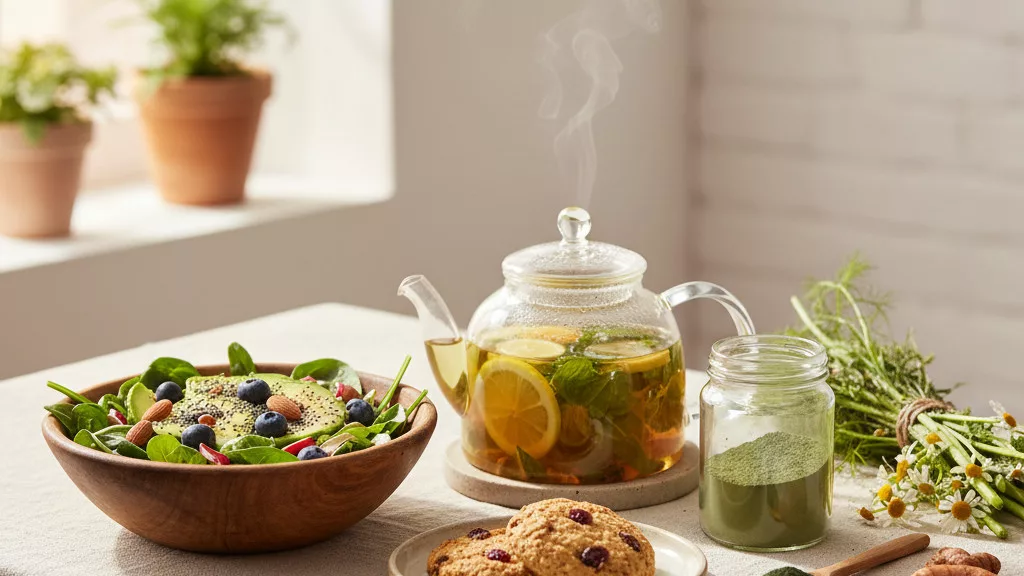
What is Irritable Bowel Syndrome?
Irritable bowel syndrome (IBS) is a chronic gastrointestinal disorder that affects millions of people worldwide. Characterized by symptoms such as abdominal pain, bloating, constipation, and diarrhea, IBS can significantly impact quality of life. The causes of this disorder are not fully understood, but they are thought to be related to genetic factors, stress, and alterations in gut flora.
To address IBS, it is crucial to adopt certain dietary and lifestyle strategies. We know that what we eat can have a direct impact on gut health. In this article, we will explore how specific foods and natural remedies can help soothe the gut and improve overall well-being.
The Benefits of a Balanced Diet
A balanced diet is essential for those suffering from IBS. Eating fresh and natural foods can reduce inflammation and improve intestinal function. Various studies indicate that a diet rich in fiber, probiotics, and anti-inflammatory foods can alleviate the symptoms of the disorder. For example, according to the Higher Institute of Health, increasing the intake of fruits and vegetables is associated with a reduction in gastrointestinal disorders.
Start incorporating foods such as:
- Bananas: a source of fiber and potassium.
- Probiotic yogurt: supports gut flora health.
- Brown rice: high in fiber, aids digestion.
5 Foods to Soothe the Gut
If you want to improve your condition, consider adding these 5 foods to your daily diet:
- Turmeric: This spice has powerful anti-inflammatory properties. You can use it in powder form to flavor soups or rice dishes. Try adding a teaspoon of turmeric a day to your preparations!
- Ginger: Ginger is known for its digestive properties. You can drink it as tea or add it to smoothies, using about 2-3 cm of fresh root per day.
- Omega-3: Omega-3 fatty acids, found in flaxseeds and walnuts, have been shown to reduce inflammation. Consume 30g of walnuts a day or add a tablespoon of flaxseeds to your smoothies.
- Leafy Greens: Spinach and kale contain antioxidants and fiber. Include at least 200g of raw or cooked vegetables in your meals each day.
- Fermented Foods: Sauerkraut and kimchi are natural sources of probiotics. Try to eat 100g of sauerkraut or kimchi daily to improve gut health.
Natural Remedies and Supplements
Alongside a proper diet, there are several natural remedies that can help manage the symptoms of IBS. Probiotic supplements are among the most recommended. According to the guidelines from the Mayo Clinic, probiotics can help restore the balance of gut flora. It is advisable to choose a supplement with at least 10 billion CFUs (colony-forming units) per day.
Other natural remedies include:
- Chamomile: This herb has calming effects. You can prepare an herbal tea with a tablespoon of dried flowers in 250 ml of hot water, to be consumed twice a day.
- Soluble Fiber: Supplements like psyllium can help regulate bowel transit. Take 5g of psyllium mixed in water once a day.
Daily Routine and Lifestyle
In addition to diet, lifestyle also plays a crucial role in managing IBS. Introduce a daily routine that encourages gut health. Here are some practical tips:
- Engage in physical activity regularly, dedicating at least 30 minutes a day to light exercises like walking or yoga.
- Establish regular meal times, with 3 meals and 2 balanced snacks each day, to promote optimal digestion.
- Set aside time for relaxation and meditation, even just 10-15 minutes a day.
Case Study: Successes in Managing IBS
Numerous case studies highlight how dietary changes and the use of natural remedies have led to positive outcomes for people with IBS. One documented case saw a patient significantly reduce symptoms after adopting a diet rich in fiber and omega-3, along with regular probiotic intake.
Another example comes from a small study conducted on 50 volunteers, where 70% reported significant improvement after incorporating probiotic yogurt and antioxidant-rich foods into their daily diet.
Listen to Your Body
It is essential to pay attention to your body's reactions to different foods. Each person reacts uniquely to dietary changes, so we encourage you to keep a food diary. By noting what you eat and how you feel, you can identify the foods that trigger your symptoms.
Another helpful tip is to introduce foods one at a time, so you can monitor any adverse effects. Start with one new food at a time for a week and observe how your body reacts.
Conclusion: Start Your Healing Journey
Incorporating healthy eating habits and natural remedies can make a difference for those suffering from irritable bowel syndrome. Try to follow these practical tips and observe how your body responds. Every small step counts on your path to better gut health.
We invite you to experiment with the foods and strategies shared and to note the improvements. Start taking care of yourself today and soothe your gut.



Comments
comments.cta_title
comments.cta_text
comments.login_cta
comments.empty_title
comments.empty_text