
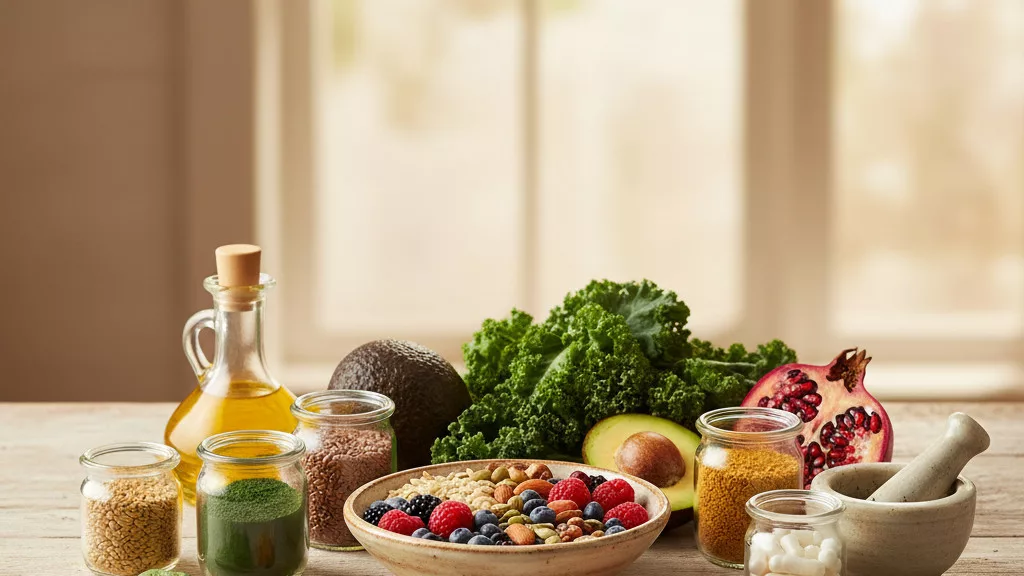
What is Assisted Reproductive Technology (ART)?
Assisted reproductive technology (ART) is a set of techniques used to help couples conceive. These treatments may include in vitro fertilization (IVF), artificial insemination, and various other protocols. ART is often considered when there are difficulties in natural conception, such as hormonal abnormalities, male fertility issues, or gynecological diseases.
Managing an ART journey can be emotionally and physically demanding. Research suggests that nutrition plays a crucial role in supporting fertility and improving the chances of success in treatments. In this article, we will explore essential foods and nutrients that can optimize this process.
Why Nutrition is Important in ART
Proper nutrition is essential to ensure that the body functions optimally during ART treatment. Specific nutrients can have a direct impact on reproductive health, influencing the quality of eggs and sperm, as well as hormonal balance.
According to the World Health Organization (WHO), a balanced and nutrient-rich diet can improve the chances of conception. But what are the key nutrients to consider during this journey?
We invite you to reflect on how powerful food can be: it is not just nourishment, but also medicine for the body.
Key Nutrients to Optimize Fertility
1. Omega-3 Fatty Acids
Omega-3 fatty acids are known for their positive effects on heart and brain health, but their importance does not end there. These essential fatty acids can improve egg quality and support endometrial health.
You can find omega-3 in sources such as:
- Fatty fish (salmon, mackerel): aim to consume at least 2 servings per week.
- Flaxseeds: you can add a tablespoon to your yogurt or smoothie.
- Nuts: a handful a day is a great option.
2. Vitamin D
Vitamin D is often referred to as the sunshine vitamin and plays an essential role in fertility. Its deficiency has been linked to ovulation problems and infertility. Make sure you have adequate levels of this vitamin.
To increase your vitamin D, consider:
- Sun exposure of at least 15-20 minutes a day.
- Foods like eggs and fatty fish.
- Supplements if necessary, but always consult a professional.
Proteins and Carbohydrates: The Right Choice
When it comes to proteins, it is important to choose high-quality sources. Animal proteins, such as chicken and fish, should be complemented by plant-based sources like legumes and tofu. Diversity in the diet is crucial.
As for carbohydrates, prefer whole grains. Whole grains, such as quinoa and spelt, have a positive impact on blood sugar levels and hormonal health.
What to Do?
Start planning your meals with:
- A main dish based on legumes (200g of cooked lentils) and whole grains (100g of quinoa).
- Healthy snacks, like hummus with carrot sticks.
The Importance of Micronutrients
Micronutrients like zinc and iron are essential for fertility. Zinc is crucial for sperm production and egg health, while iron supports overall well-being and uterine health.
You can increase your zinc intake through:
- Lean meats: about 100g of beef or chicken per week.
- Legumes and seeds: a handful of pumpkin seeds.
For iron, consider:
- Fresh spinach (200g): you can use it in salads or as a side dish.
- Legumes: 200g of black beans in a meal.
Antioxidants and Fertility: A Link Not to Be Underestimated
Antioxidants such as vitamins C and E are essential for protecting cells from oxidative damage. These nutrients can improve the quality of eggs and sperm.
Incorporating antioxidants into your diet is simple:
- Strawberries and citrus fruits: about 150g of fresh fruit per day.
- Dried fruit: a handful of almonds or pecans.
Don't forget that water is essential. Drink at least 1.5 liters a day to stay hydrated and support your overall health.
The Role of Eating Habits
In addition to specific nutrients, eating habits play a crucial role. Eating regularly, avoiding skipped meals, and opting for balanced meals can positively influence fertility.
Consider:
- Having 5 meals a day, including 3 main meals and 2 snacks.
- Ensuring you have a protein source at every meal.
Plan your meals in advance to avoid impulsive and unhealthy food choices.
Weight Control and Fertility
Body weight significantly affects fertility. A healthy body mass index (BMI) is associated with higher chances of success in ART treatments. Both underweight and overweight can complicate the process.
To maintain a healthy weight:
- Focus on a balanced caloric intake, avoiding drastic reductions.
- Regularly include physical exercise, such as 30 minutes of brisk walking 5 days a week.
Conclusions and Call to Action
In conclusion, nutrition plays a crucial role in supporting fertility and optimizing the chances of success in assisted reproductive technology. Incorporating key foods and nutrients into your diet can make a difference.
We invite you to take initiative today: try modifying your diet following the provided advice and note how you feel and how your body responds over time. You might be surprised by the results!



Comments
comments.cta_title
comments.cta_text
comments.login_cta
comments.empty_title
comments.empty_text