
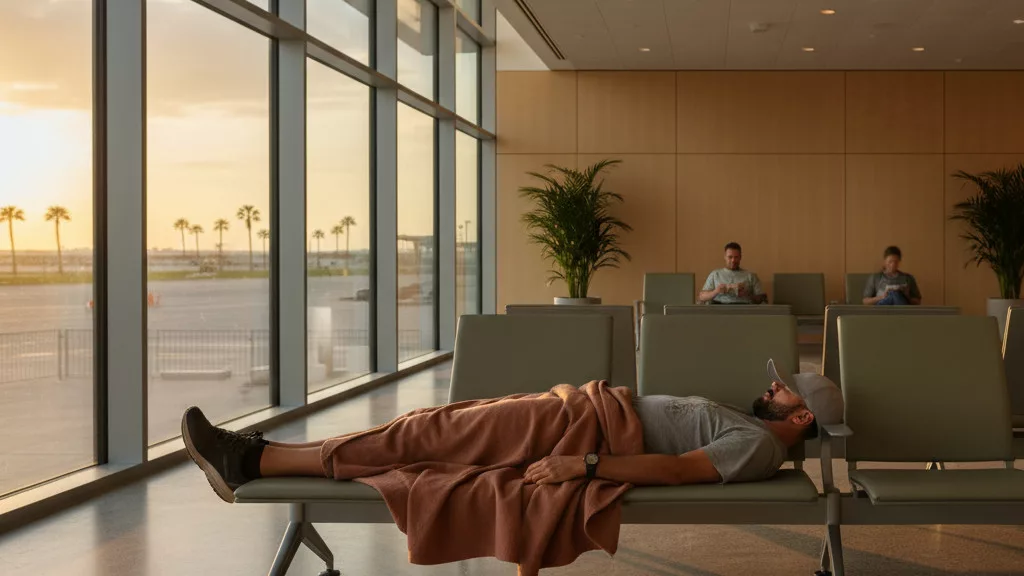
Introduction to Jet Lag
Jet lag is a temporary sleep disorder that occurs when crossing multiple time zones in a short period. This phenomenon is often accompanied by a range of symptoms that can affect not only physical well-being but also mental health. Understanding jet lag and its implications is crucial for frequent travelers, whether for work or pleasure. In this article, we will explore the causes and effects of jet lag on mental health and present tips for effective recovery, including mindfulness practices and relaxation techniques to integrate during and after travel.
What is Jet Lag?
Jet lag, also known as circadian desynchronization, occurs when the body's biological rhythm is out of sync with the new time zone. This happens due to the rapid transition across different time zones, causing a misalignment between the body's internal clock and the external environment. Symptoms can vary in intensity and duration depending on the number of time zones crossed and the individual's ability to adapt.
Jet lag is particularly common among frequent travelers and can manifest as sleep disturbances, concentration problems, and unstable mood. It is a phenomenon that affects people of all ages, but it is more pronounced in older adults, who take longer to adjust to changes.
Causes of Jet Lag Insomnia
The main causes of jet lag insomnia include:
- Desynchronization of the biological clock: The body's internal clock does not immediately adjust to the new times, causing difficulties in falling asleep and maintaining sleep.
- Travel fatigue: The accumulated fatigue during travel can hinder the ability to sleep.
- Dehydration: The dry air in airplane cabins can contribute to a sense of fatigue and malaise.
These combined factors can lead to poor-quality sleep, negatively impacting mental health and overall well-being.
Symptoms of Jet Lag Insomnia
The symptoms of jet lag insomnia can vary by individual, but the most common include:
- Difficulties in falling asleep and maintaining sleep.
- Frequent nighttime awakenings.
- Daytime sleepiness and general fatigue.
- Concentration and memory problems.
- Mood changes, irritability, and malaise.
These symptoms can make it difficult to cope with daily activities and reduce quality of life, especially in the days immediately following a trip.
Duration of Jet Lag Insomnia Symptoms
The duration of jet lag symptoms varies based on the number of time zones crossed. Generally, symptoms may appear within 1-2 days of travel and tend to last longer for trips crossing more than eight time zones. It is estimated that about one day of adjustment is needed for each time zone crossed. Therefore, a trip from west to east may require more time for recovery.
In many cases, symptoms resolve within a few days, but for some individuals, they may persist for up to a week, negatively affecting mental health and well-being.
Strategies for Managing Jet Lag Insomnia
Dealing with jet lag insomnia requires a strategic approach. Here are some effective techniques for managing symptoms:
- Adjustment before travel: Start gradually modifying your sleep schedule to align with that of your destination.
- During the flight: Try to sleep and bring accessories like eye masks and earplugs.
- Once arrived: Immediately establish a sleep routine that follows local times and spend time outdoors to aid adaptation.
Implementing these strategies can significantly reduce symptoms and improve recovery.
Mindfulness and Relaxation: Recovery Tools
Mindfulness practices can play a crucial role in recovering from jet lag. These techniques help reduce stress and improve concentration, facilitating adaptation to new schedules. Here are some practices to consider:
- Meditation: Dedicate a few minutes each day to meditation to calm the mind and improve sleep.
- Breathing exercises: Techniques like deep breathing can alleviate anxiety and promote relaxation.
- Yoga: Practicing yoga can help improve sleep quality and reduce stress.
Incorporating these techniques into your daily routine can promote a more effective and sustainable recovery.
Nutrition and Hydration
A balanced diet and adequate hydration are essential for coping with jet lag. Here are some tips to maintain well-being during and after travel:
- Water consumption: Drinking plenty of water during the flight and after arrival is essential to combat dehydration.
- Light meals: Opt for light and nutritious meals that do not burden the digestive system.
- Avoid alcohol and caffeine: These substances can interfere with sleep and increase jet lag symptoms.
Taking care of your nutrition will help improve mental health and promote faster recovery.
Conclusion
Jet lag poses a significant challenge to mental and physical health, especially for frequent travelers. Understanding the causes and symptoms of jet lag insomnia is essential for adopting effective recovery strategies. Integrating mindfulness practices and relaxation techniques into your daily routine, along with proper nutrition and hydration, can contribute to improved overall well-being and quality of life. Investing in your mental health is essential, not only during travel but as an integral part of a healthy and balanced lifestyle.



Comments
comments.cta_title
comments.cta_text
comments.login_cta
comments.empty_title
comments.empty_text