

Introduction to Macadamia Nuts
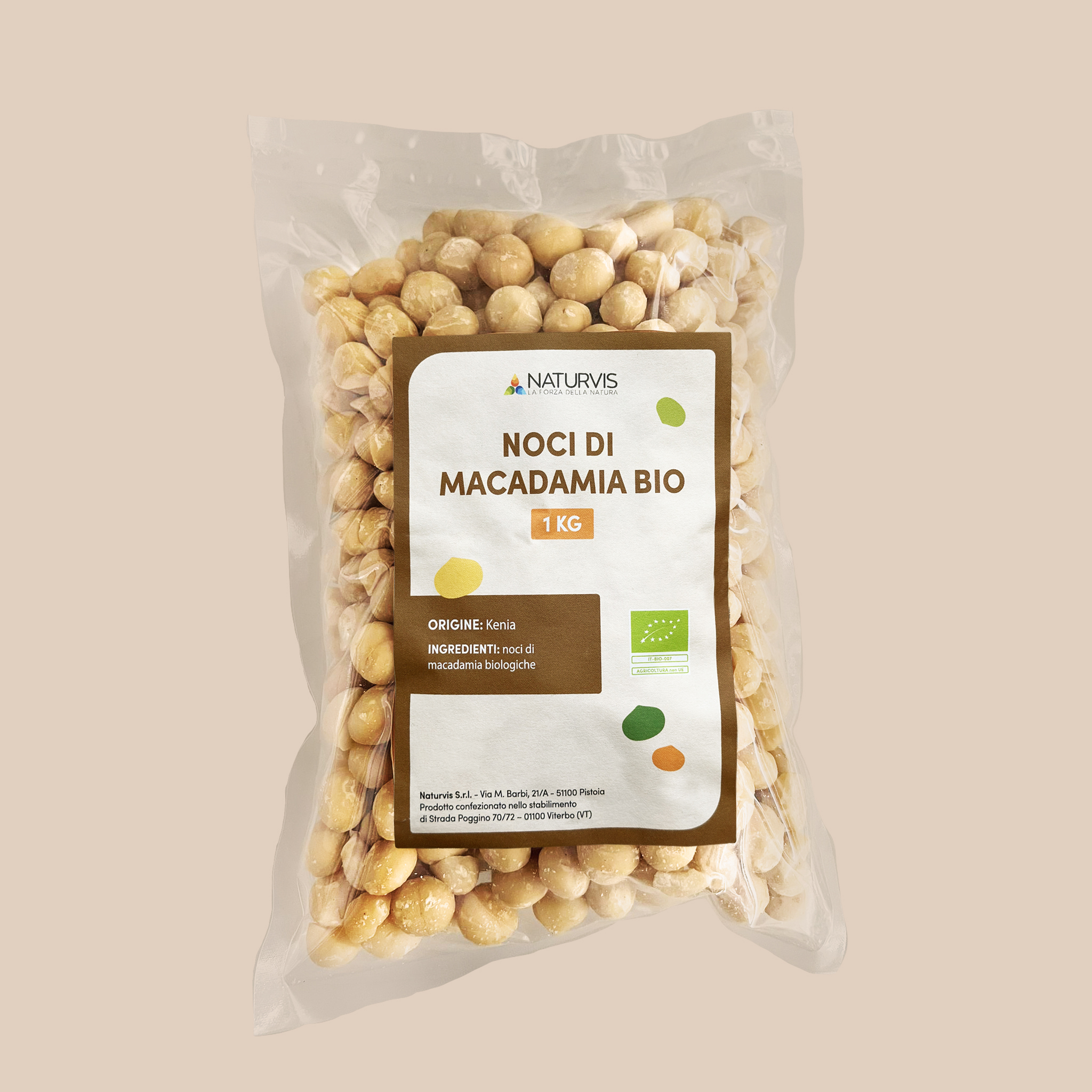
Macadamia nuts are a particularly appreciated dry fruit for their unique flavor and nutritional properties. Originating from Australia, these nuts are rich in healthy fats, proteins, vitamins, and minerals, making them an optimal addition to the diet, especially for growing children.
But how can we safely and deliciously introduce them into the diet of little ones? In this article, we will explore the benefits of macadamia nuts and provide practical tips on how to include them in children's diets.
Nutritional Benefits of Macadamia Nuts
Macadamia nuts offer numerous health benefits. Here are some of the main ones:
- Healthy Fats: These nuts are an excellent source of monounsaturated fats, which can help improve cholesterol levels and support heart health.
- Antioxidants: They contain antioxidants like vitamin E, which can help protect cells from damage caused by free radicals.
- Minerals: They are rich in essential minerals such as magnesium, calcium, and potassium, important for bone growth and muscle health.
- Fiber: Macadamia nuts are a great source of fiber, which supports digestion and contributes to a feeling of fullness.
When to Introduce Macadamia Nuts into Children's Diet
It is advisable to introduce dried fruits, including macadamia nuts, into children's diets around the age of 3, when they are generally able to chew and digest more solid foods. However, if a child has a predisposition to allergies, it is wise to consult a pediatrician before introducing new foods.
Starting with small amounts is key. Try giving children 1-2 macadamia nuts a day, crushed or broken, to mix with other foods.
How to Incorporate Macadamia Nuts into Children's Diet
Incorporating macadamia nuts into children's diets can be a fun and tasty experience. Here are some practical ideas:
1. Healthy Snacks
Prepare a healthy snack by mixing chopped macadamia nuts with dried fruits, such as apricots or raisins. Combine everything in a small bowl for a nutritious and delicious treat.
2. Energizing Smoothies
Add a tablespoon of macadamia nut butter to a banana and almond milk smoothie. This will add creaminess and a rich flavor, making the smoothie loved by children.
3. Pancakes and Waffles
Incorporate chopped macadamia nuts into pancake or waffle batter. You can also add them as a topping, along with honey or maple syrup.
4. Homemade Cookies
Make cookies with macadamia nuts. Use a basic cookie recipe, replacing some of the chocolate chips with chopped macadamia nuts. These cookies will be a healthy and appreciated treat.
Watch for Allergies
It is essential to monitor for any allergic reactions when introducing new foods. Macadamia nuts can trigger allergies in some cases, so it is important to remain vigilant. Starting with small portions and observing how your child reacts can help ensure a safe introduction.
If you notice swelling, itching, or difficulty breathing, contact the pediatrician immediately.
Macadamia Nuts and Their Role in Energy Supply
Macadamia nuts not only provide nutrients but are also a source of energy. Due to their high caloric density, they are ideal for active children. Incorporating macadamia nuts into their diet can help meet daily energy needs, particularly for children who participate in sports or regular physical activity.
To maximize benefits, you can offer a mix of macadamia nuts and other energy-rich foods, such as bananas or yogurt, for a complete snack.
Simple Recipes with Macadamia Nuts
1. Homemade Energy Bar
Ingredients: 150g of macadamia nuts, 100g of dates, 50g of oats, a pinch of salt. Blend the dates with the nuts until you get a sticky mixture. Add the oats and a pinch of salt. Press the mixture into a baking dish and let it cool in the refrigerator. Cut into bars and serve.
2. Macadamia and Banana Smoothie
Ingredients: 1 banana, 30g of macadamia nuts, 250ml of almond milk. Blend everything until you achieve a creamy consistency. Serve fresh and tasty.
Conclusion: Experiment with Macadamia Nuts
Macadamia nuts are a great way to enrich children's diets by providing essential nutrients and a unique flavor. Experiment with the suggested recipes and customize them according to your children's tastes. Remember to introduce them gradually and always monitor for any reactions. Try to let your children discover this delicious dry fruit and note their reactions!
Sources and Further Reading
- World Health Organization (WHO)
- Higher Institute of Health (ISS)
- Ministry of Health
- Veronesi Foundation
- Mayo Clinic



Comments
comments.cta_title
comments.cta_text
comments.login_cta
comments.empty_title
comments.empty_text