

The Importance of Eye Health
Eye health is crucial for our overall well-being. Many do not realize that blurred vision can be one of the warning signs of more serious conditions. Therefore, it is essential to pay attention not only to the quality of vision but also to how our diet can influence it.
Over the years, research has shown that there are specific nutrients that play a key role in visual health. By changing our eating habits, we can help prevent blurred vision and improve eye health.
Causes of Blurred Vision
Blurred vision can be caused by various factors, some of which are temporary and others more serious. Among the most common causes are:
- Eye strain: spending too much time in front of a screen can strain the eyes.
- Dry eyes: can result from dry environments or prolonged use of contact lenses.
- More serious conditions: such as cataracts, macular degeneration, or diabetic retinopathy.
It is important to recognize when blurred vision is a warning sign. If it occurs suddenly and is accompanied by other symptoms such as pain or changes in the visual field, it is crucial to contact an eye specialist.
Key Nutrients for Eye Health
Nutrition plays a crucial role in preventing eye diseases. Various nutrients can help keep the eyes healthy and reduce the risk of blurred vision. Here are the main ones:
- Vitamin A: essential for good vision, especially in low light conditions. Sources: carrots, sweet potatoes, spinach. Consume a serving of grated carrots (100g) daily for adequate intake.
- Omega-3: fatty acids that support retinal health. Sources: fatty fish (salmon, mackerel) and flaxseeds. Try to eat fatty fish at least twice a week.
- Lutein and Zeaxanthin: antioxidants that protect the eyes from damage caused by free radicals. Sources: kale, broccoli, kiwi. Include a serving of spinach (about 100g) in your daily salad.
Foods to Include in Your Diet
To ensure an adequate intake of essential nutrients, it is vital to include a variety of foods in our diet. Here are some practical tips:
- Colorful fruits and vegetables: consume a wide range of fruits and vegetables, paying particular attention to carrots, peppers, and berries.
- Nuts and seeds: almonds and walnuts not only provide healthy fats but are also rich in vitamin E, which protects eye cells.
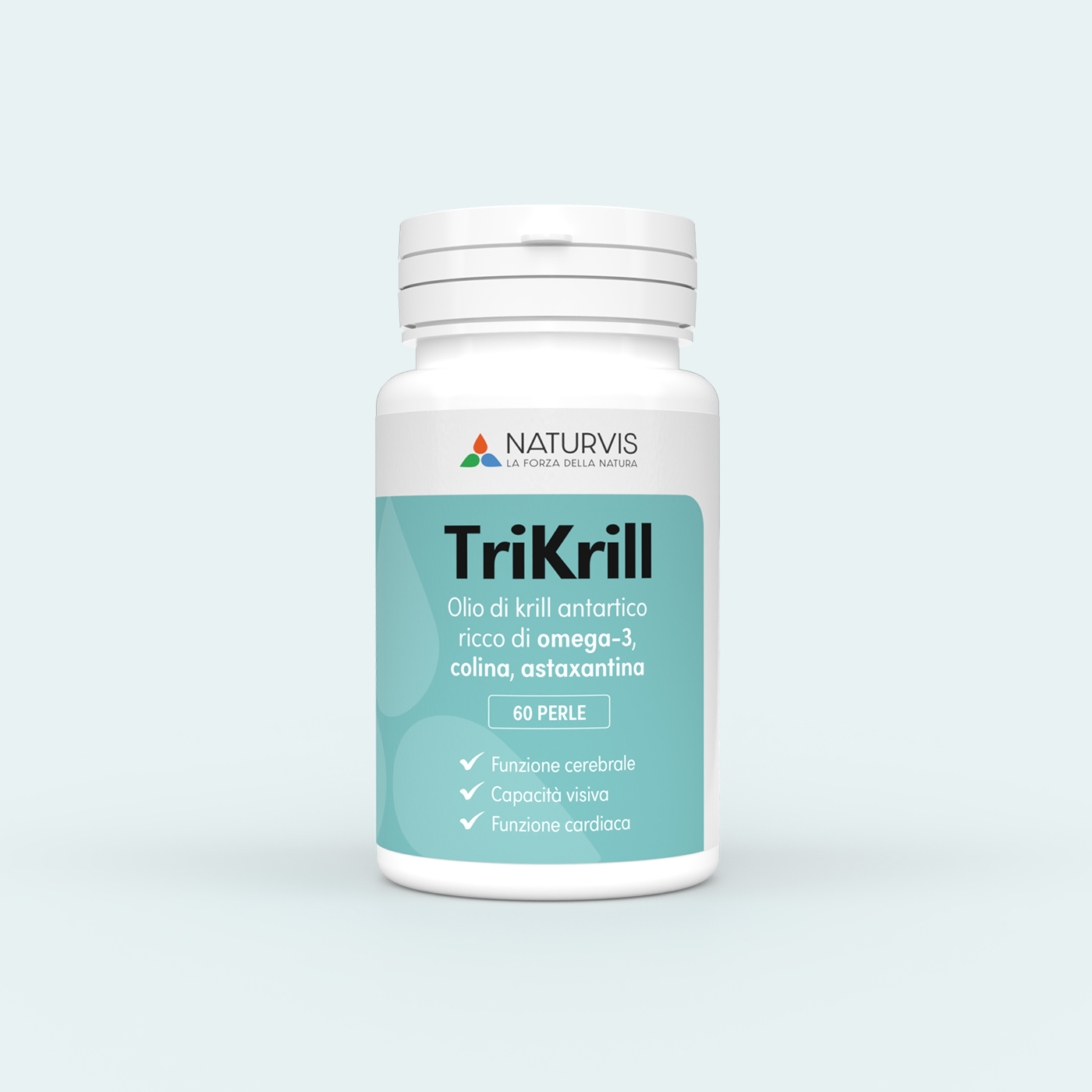
- Supplements: consider taking an omega-3 supplement if you cannot eat fish regularly. A recommended dose is 1000 mg of EPA and DHA per day.
Lifestyle and Healthy Habits
In addition to diet, there are other habits that can improve eye health. Adopting a holistic approach is essential:
- Protection from UV rays: wear UV-protective sunglasses when outdoors.
- Frequent breaks: if you work on a computer, take a 5-minute break every 20-30 minutes to rest your eyes.
- Hydration: drink at least 2 liters of water a day to keep your eyes hydrated and prevent dryness.
Recognizing Warning Signs
Being able to recognize warning signs is vital for eye health. Some common signs include:
- Double or distorted vision: may indicate serious problems that require medical attention.
- Spots or shadows in vision: these symptoms should not be underestimated.
- Persistent pain or discomfort: consult an eye specialist if the pain does not go away.
If you notice any of these symptoms, it is always better to be cautious and seek specialist advice.
The Eye Exam: A Fundamental Step
Regular visits to the eye doctor are essential for eye health. Even if you do not experience symptoms, it is recommended to have check-ups at least every two years, or sooner if you have risk factors such as diabetes or a family history of eye diseases.
During the visit, the eye doctor can perform thorough examinations to identify problems at an early stage and provide personalized advice on how to improve your visual health.
Conclusions: Adopt a Healthy Lifestyle
Adopting a healthy lifestyle is essential for maintaining clear vision and preventing visual disorders. Make eye health a priority: start today by integrating recommended foods and nutrients into your diet.
Try to plan at least 3 meals a week rich in omega-3 and add a daily serving of colorful fruits and vegetables.
Remember, good visual health is not just the result of good nutrition but the combination of various factors. Take the first step towards eye health and see how it can improve your quality of life!



Comments
comments.cta_title
comments.cta_text
comments.login_cta
comments.empty_title
comments.empty_text