

Introduction to Teenage Acne
Teenage acne is one of the most common dermatological conditions among adolescents, affecting up to 80% of young people. It manifests with pimples, pustules, and cysts that can appear on the face, neck, shoulders, and back. This disorder not only has a physical impact but can also affect the emotional and social life of young people. Understanding the causes and possible solutions is essential to tackle this issue.
Causes of Teenage Acne
The causes of teenage acne are multifactorial and may include:
- Hormonal factors: During adolescence, the increase in androgen hormones stimulates the sebaceous glands to produce more sebum.
- Genetics: A family predisposition to acne can increase the risk of developing it.
- Environmental factors: Pollution and the use of unsuitable cosmetic products can worsen the condition.
- Nutrition: Some studies suggest that diet may influence the severity of acne.
How Nutrition Influences Acne
A balanced diet plays a crucial role in skin health. Some foods can have positive or negative effects on acne:
Foods to Avoid
- Refined sugars: Sugars can increase insulin, stimulating sebum production.
- High glycemic index carbohydrates: Foods like white bread and sweets can worsen acne.
- Milk and dairy products: Some studies link milk consumption to increased acne severity.
Recommended Foods
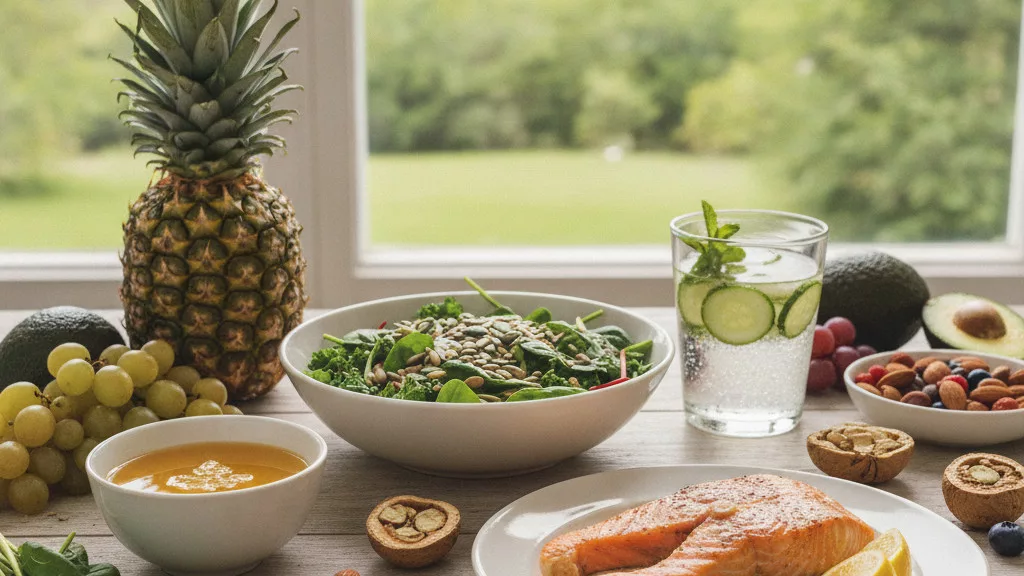
- Fruits and Vegetables: Rich in antioxidants and vitamins, they support skin health.
- Omega-3: Found in fatty fish and flaxseeds, they help reduce inflammation.
- Probiotics: Yogurt and fermented foods can improve gut flora and, consequently, skin health.
Natural Remedies to Fight Acne
In addition to a proper diet, various natural remedies can help manage teenage acne:
1. Aloe Vera
Used for its anti-inflammatory and healing properties, aloe vera can be applied locally to affected areas.
2. Tea Tree Oil
With antibacterial properties, tea tree oil can be used as a topical treatment to reduce pimples.
3. Honey and Cinnamon
A mask made from honey and cinnamon can have antibacterial and soothing effects.
4. Chamomile
This plant is known for its calming properties and can be used in compresses to reduce inflammation.
Lifestyle and Acne
Lifestyle can significantly influence skin health. Here are some aspects to consider:
1. Hydration
Drinking enough water is essential to keep the skin hydrated and promote toxin elimination.
2. Physical Activity
Regular movement stimulates blood circulation and contributes to healthy skin.
3. Sleep and Stress
Good rest and stress management techniques can improve skin health, as stress is known to aggravate acne.
Importance of Skin Cleansing
Proper skin hygiene is essential to prevent and treat acne. The fundamental steps include:
- Cleansing: Use a gentle cleanser to remove excess sebum and impurities.
- Exfoliation: Practice regular exfoliation to remove dead skin cells.
- Moisturization: Apply a non-comedogenic moisturizer to keep the skin balanced.
Consult a Dermatologist
If teenage acne persists or worsens, it is important to consult a dermatologist. A professional can offer more specific and personalized treatments, such as:
- Topical medications: Creams and gels containing benzoyl peroxide or retinoids.
- Oral medications: Antibiotics or oral contraceptives for girls may be prescribed in cases of severe acne.
- Laser treatments: In some cases, laser therapies can visibly reduce acne and scars.
Conclusion
Addressing teenage acne requires a holistic approach that combines proper nutrition, natural remedies, good lifestyle habits, and, if necessary, the intervention of a professional. Investing in skin health during adolescence not only improves external appearance but also contributes to the psychological well-being of young people. Remember, every skin is unique, and finding the right solution may take time and patience.


Comments
comments.cta_title
comments.cta_text
comments.login_cta
comments.empty_title
comments.empty_text