
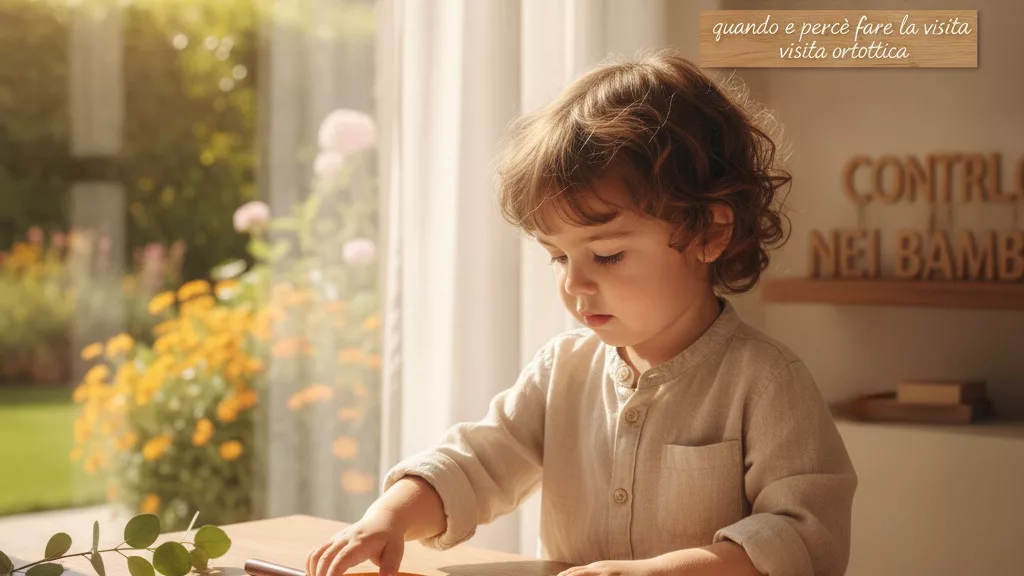
The Importance of Visual Prevention in Children
Taking care of children's visual health is essential for their development. At this stage of life, the eyes are constantly growing and changing. Prevention plays a crucial role in ensuring that any problems are identified and treated early. Vision is fundamental not only for quality of life but also for learning and socialization.
When is it advisable to have an orthoptic visit?
Orthoptic visits are recommended at various stages of child development. Ideally, the first check-up should occur by age 3. However, a follow-up is also recommended between ages 5 and 6, before starting school. These exams help identify issues such as strabismus, amblyopia, or irregularities in binocular vision.
If you notice that your child has difficulty following moving objects or gets too close to screens, it is a clear sign that it is time to schedule a visit.
Warning Signs Not to Ignore
There are several signs that parents should monitor to assess their children's visual health. Some of these include:
- Rubbing eyes: If the child frequently rubs their eyes, it may be a sign of visual fatigue.
- Headaches: Recurring headaches can indicate vision problems, especially if they occur after prolonged visual activities.
- Difficulty reading: If the child has trouble recognizing letters or numbers from a distance, it is important to intervene.
Keeping an eye on these behaviors can help identify potential problems early and improve the child's quality of life.
The Orthoptic Visit: What to Expect
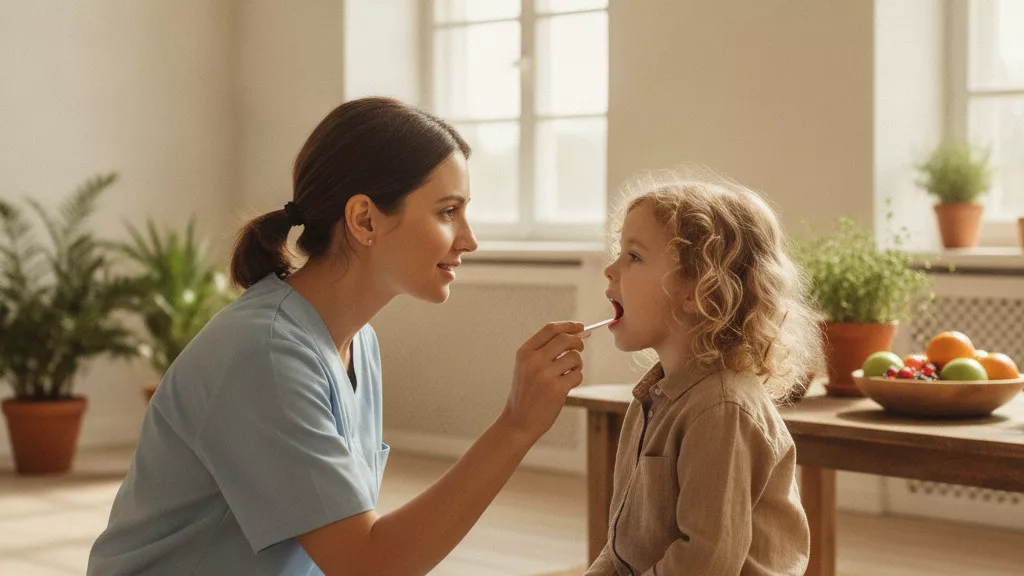
The orthoptic visit is an examination that focuses on assessing visual functionality, eye movement, and alignment. During the exam, the orthoptist will use various tools and methods to check binocular vision, eye mobility, and color perception. You may also be asked to answer questions about your child's visual behaviors.
It is important for parents to create a calm and relaxing environment before the exam so that the child feels comfortable. This way, they are more likely to cooperate during the examination.
Orthoptic Treatments and Interventions
If issues arise during the orthoptic visit, there are several treatment options available. These include orthoptic therapy, which consists of targeted exercises to improve eye coordination and binocular vision. Additionally, in some cases, corrective glasses or even surgical interventions may be necessary.
It is essential to follow the professional's recommendations and continue with regular check-ups to monitor the child's progress. With the right support, many visual problems can be successfully resolved or managed.
Technology and Its Impact on Children's Vision
Today, children spend many hours in front of screens of various devices. This has a significant impact on their visual health. Computer vision syndrome is becoming increasingly common, with symptoms such as eye strain, dryness, and blurred vision.
To reduce the risk of technology-related vision problems, encourage your child to follow the 20-20-20 rule: every 20 minutes of screen use, look at something 20 feet away for at least 20 seconds.
Promoting Good Visual Habits
Encouraging your child to develop good visual habits is crucial. Here are some practical tips:
- Proper lighting: Ensure that the place where the child reads or studies is well-lit, avoiding overly bright or dim lights.
- Correct positioning: Teach the child to maintain an appropriate distance from screens, about 30-40 cm for reading and 50-70 cm for the computer.
- Regular breaks: Take frequent breaks during visual activities, allowing the eyes to rest.
These habits can be essential for preventing visual overload and maintaining good eye health.
The Role of Parents in Visual Health
Parents play a key role in ensuring that children receive the appropriate care for their vision. Observing and communicating any concerns is essential. If you notice changes in your child's visual behavior, do not hesitate to discuss it with a professional. Being proactive can make a significant difference.
Remember, prevention is always better than cure. Regular check-ups can reduce the risk of developing long-term vision problems. Do not wait for serious symptoms to appear.
Conclusions: Take Care of Your Children's Vision
The visual health of children is a crucial aspect of their overall well-being. Orthoptic visits represent an opportunity to monitor and ensure that their eyes are functioning correctly. Do not forget to stay vigilant and pay attention to warning signs.
If you have not yet had an orthoptic check-up for your child, consider doing so. Schedule a visit and ensure that your child's vision is in excellent condition. With the right prevention, you can contribute to a bright future!


Comments
comments.cta_title
comments.cta_text
comments.login_cta
comments.empty_title
comments.empty_text