

What Are Triglycerides?
Triglycerides are a type of fat found in the blood. They are essential for our body as they provide energy to cells. However, high levels can indicate an increased risk of cardiovascular diseases and other health complications. According to the World Health Organization, triglyceride levels above 150 mg/dl are considered high.
Understanding what they are and how to manage them is essential for overall well-being. Hence, the importance of adopting a balanced diet and, if necessary, support with specific supplements.
Normal Triglyceride Levels
According to the guidelines of the Italian National Institute of Health, optimal triglyceride levels are:
- Below 150 mg/dl: normal
- 151-199 mg/dl: borderline high
- 200-499 mg/dl: high
- 500 mg/dl and above: very high
Regularly monitoring triglyceride levels can prevent serious consequences. Consider getting a check-up at least once a year, especially if you have risk factors such as obesity or a sedentary lifestyle.
Risks Associated with High Triglycerides
High triglycerides can lead to heart disease, stroke, and pancreatitis. Therefore, it is crucial to act promptly to regulate them. A study published in The Lancet has shown that keeping triglycerides below 150 mg/dl significantly reduces cardiovascular risk.
Additionally, high triglyceride levels are often associated with conditions such as type 2 diabetes and metabolic syndrome, which can further complicate health. Never underestimate the severity of this condition; small changes in diet and lifestyle can have a big impact.
The Diet to Control Triglycerides
A balanced diet is essential for keeping triglycerides under control. Favor foods rich in fiber, omega-3, and antioxidants. Here are some practical tips:
- Include fatty fish like salmon, sardines, and mackerel at least twice a week.
- Replace refined carbohydrates with whole grains, such as oats and brown rice.
- Limit intake of added sugars and sugary drinks; opt for fresh fruit as dessert.
You can start today by replacing white bread with whole grain bread and choosing legumes like beans and lentils for your meals. These foods not only help reduce triglycerides but also improve your overall health.
Key Foods to Control Triglycerides
1. Fatty Fish: Rich in omega-3, fish like salmon and sardines can lower triglyceride levels. Consume at least 2 servings a week.
2. Nuts and Seeds: A healthy addition to your diet, nuts (especially pecans and Brazil nuts) can improve your lipid profile. Try to eat a handful a day.
3. Avocado: Rich in monounsaturated fats, avocado helps keep triglycerides low; add half to your salad or toast each day.
4. Olive Oil: Choose extra virgin olive oil to dress your dishes. Make sure to use at least 2 tablespoons a day.
5. Leafy Greens: Spinach, kale, and Swiss chard are rich in fiber; try to include a serving in every meal.
Supplements for Controlling Triglycerides
If diet alone is not sufficient, you might consider specific supplements. Here are some of the most effective:
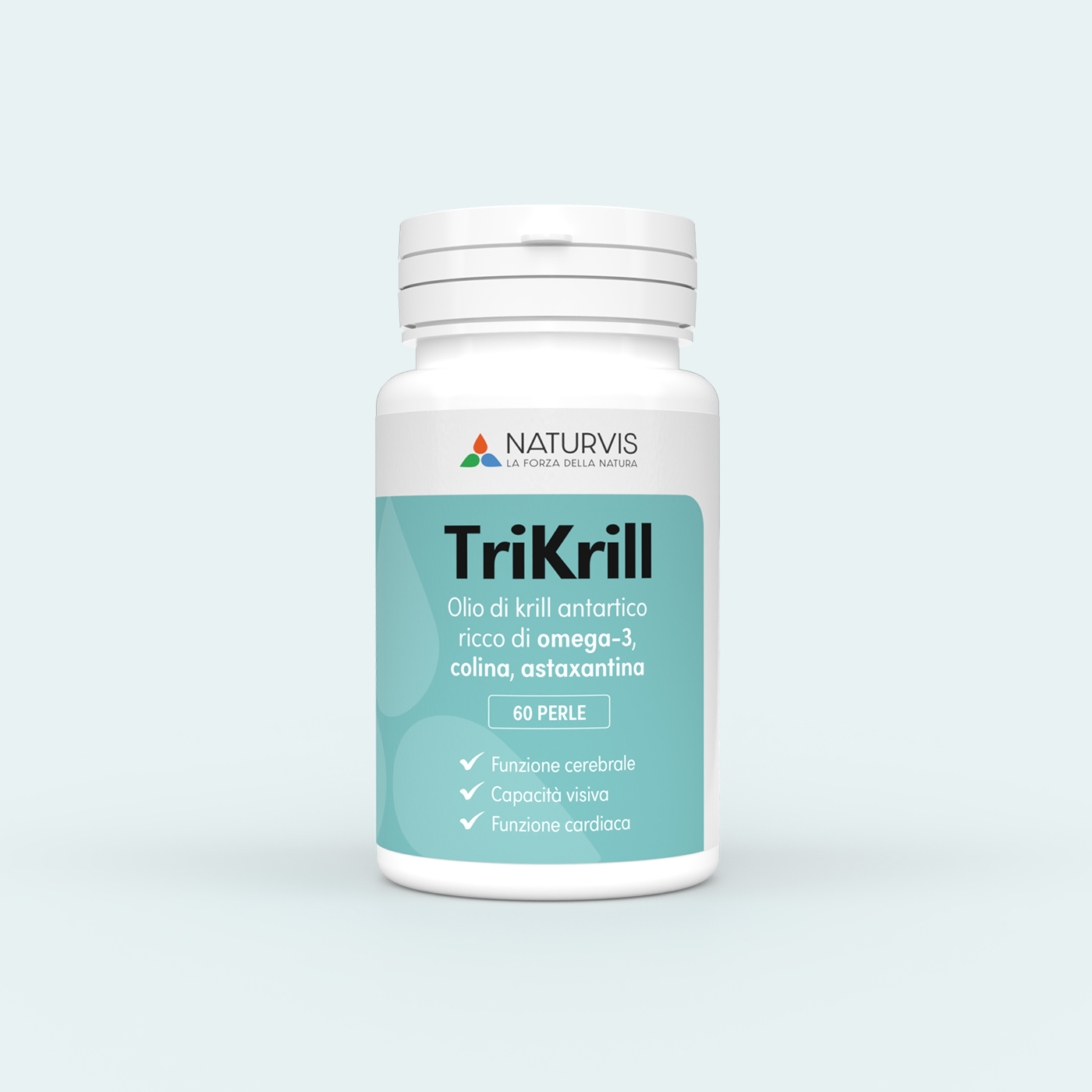
- Omega-3: Fish oil supplements can reduce triglycerides by up to 30%. Take 1-2 grams a day.
- Soluble Fiber: Supplements like psyllium can help lower triglycerides. Start with 5 grams a day.
- Coenzyme Q10: Useful for improving cardiovascular health, it is recommended to take it in doses of 100-200 mg a day.
Always consult a professional before starting any supplementation. Every body is different, and an expert can guide you in making the right choice.
Lifestyle and Triglycerides
In addition to diet and supplements, a healthy lifestyle plays a crucial role. Here are some actions you can take:
- Regular Physical Activity: Engage in at least 150 minutes of moderate aerobic exercise per week, such as walking, swimming, or cycling.
- Weight Control: Reducing body weight by 5-10% can significantly lower triglycerides. Consider a specific diet and exercise plan for you.
- Limit Alcohol: If you drink, do so in moderation. Do not exceed one drink a day for women and two for men.
By incorporating these practices, you can improve not only your triglyceride levels but also your overall well-being.
Monitoring Triglycerides
Keeping track of your triglyceride levels is essential. Perform regular checks and note the results. You can use a food diary to monitor your habits and see how they affect your levels.
A proactive approach is key: consider measuring levels every 3-6 months, especially if you are following a new diet or supplement regimen.
This will help you understand which changes are working and where further adjustments may be needed. Remember that every small step counts!
Conclusions
Controlling triglycerides is not just a matter of numbers, but a way to improve your overall health. A combination of healthy diet, targeted supplements, and active lifestyle can make a difference. So, start implementing these tips today and observe the changes in your well-being. You can improve your triglyceride levels and, consequently, your cardiovascular health!
We encourage you to share this article and start the week with a new routine that includes at least 30 minutes of physical activity a day. Small actions can lead to great results!



Comments
comments.cta_title
comments.cta_text
comments.login_cta
comments.empty_title
comments.empty_text