
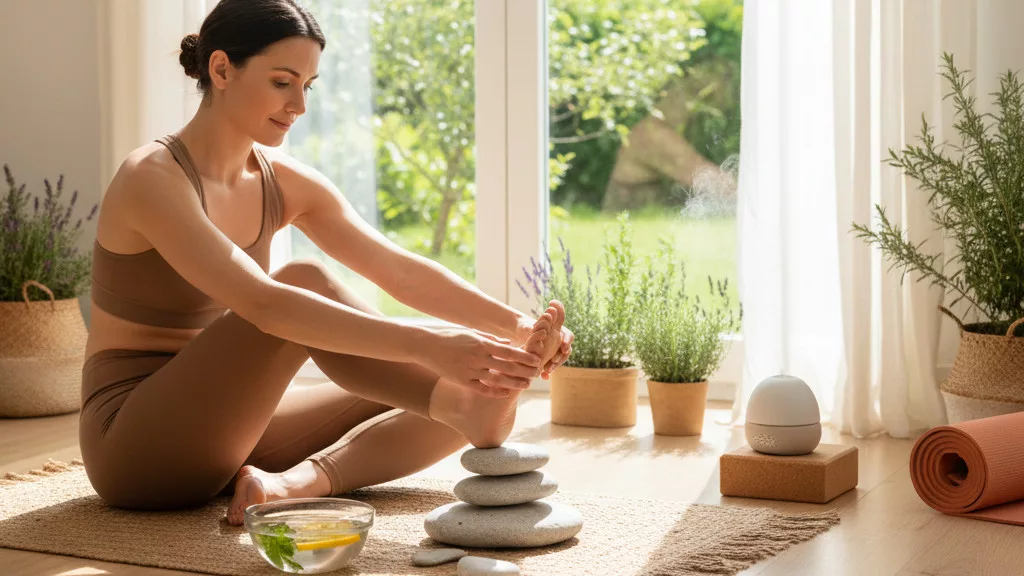
What Causes Swelling in the Ankles?
Swelling in the ankles, also known as edema, can arise from various conditions. Among the most common causes are:
- Water retention: Often caused by a diet high in sodium or hormonal imbalances.
- Circulatory problems: Poor circulation can lead to a buildup of blood and fluids in the lower extremities.
- Injuries: Injuries or trauma to the ankles can cause localized swelling.
- Venous insufficiency: A condition where the veins struggle to pump blood back to the heart.
- Kidney or heart diseases: Conditions that can affect the body's ability to manage fluids.
It is essential to monitor the swelling. If persistent and associated with pain or other symptoms, it is advisable to consult a doctor.
The Importance of Blood Circulation
Efficient blood circulation is crucial for the health of the ankles and legs. It ensures that nutrients and oxygen are effectively transported to various tissues while removing toxins and excess fluids. Good circulation helps reduce swelling and keeps the legs feeling light.
A sedentary lifestyle, obesity, and aging can compromise circulation. Therefore, it is important to take measures to improve vascular health.
Practical Exercises to Improve Circulation
Incorporating exercises into your daily routine can have a significant impact on blood circulation. Here are some exercises you can start today:
- Brisk walking: Spend at least 30 minutes a day walking. You can start with 10 minutes and gradually increase.
- Calf raises: Stand with your feet parallel, rise onto your toes, and return to position. Do 3 sets of 15 repetitions.
- Floor bicycle: Lie on your back, lift your legs, and simulate a pedaling motion. Do this exercise for 5-10 minutes.
These exercises not only help circulation but also strengthen the leg muscles.
Natural Remedies to Relieve Swelling
In addition to exercises, you might consider natural remedies to improve the situation. Here are some practical suggestions:
- Ginger tea: Ginger infusion is known for its anti-inflammatory properties. Drink a cup every day.
- Aloe vera compresses: Apply aloe vera gel to swollen ankles for a soothing effect.
- Epsom salt: Soak your feet in warm water with 1/2 cup of Epsom salt. Do this treatment for 15-20 minutes.
- Limit sodium intake: Try to reduce your intake of salty and processed foods. Aim for less than 2,300 mg of sodium per day.
These natural remedies can provide immediate relief and improve the comfort of your ankles.
When to Worry About Swelling in the Ankles?
It is important to know when ankle swelling requires medical attention. Consult a professional if:
- The swelling persists for more than a couple of days.
- It is accompanied by severe pain or difficulty moving the ankle.
- You notice changes in skin color or signs of infection.
- You have difficulty breathing or swelling in other parts of the body.
These may be signs of more serious conditions that require proper diagnosis and treatment.
Nutrition and Blood Circulation
A balanced diet plays a crucial role in circulatory health. Some foods can help improve circulation and reduce swelling:
- Fresh fruits and vegetables: Especially citrus fruits and leafy greens, rich in vitamin C and antioxidants.
- Fatty fish: Such as salmon and mackerel, rich in Omega-3 fatty acids, which improve vascular health.
- Nuts and seeds: Rich in healthy fats and minerals, beneficial for heart and circulation.
Try to include these foods in your daily diet for a nutrient intake that supports ankle health.
The Role of Water in Ankle Health
Dehydration can exacerbate circulation problems and worsen swelling. Make sure to drink at least 1.5 liters of water a day to keep your body hydrated. A helpful tip is to always carry a water bottle with you and drink regularly throughout the day.
Proper hydration promotes kidney cleansing and fluid balance, helping to reduce water retention.
Lifestyle and Prevention of Swelling
In addition to remedies and exercises, some lifestyle changes can make a difference:
- Avoid standing or sitting for long periods: If your job requires you to remain in one position for extended periods, try to get up and move every hour.
- Use compression socks: They can improve circulation and reduce swelling. Choose socks with graduated compression.
- Monitor body weight: A healthy weight alleviates pressure on the veins in the legs.
Prevention is key to maintaining healthy ankles and reducing the risk of swelling.
Conclusion
Swelling in the ankles can be a common discomfort, but it is often manageable with simple remedies and lifestyle changes. Incorporate daily exercises, follow a balanced diet, stay hydrated, and listen to your body. If the problem persists, do not hesitate to contact a professional for a detailed assessment.
Try these guidelines for two weeks and see how your legs feel lighter and healthier.


Comments
comments.cta_title
comments.cta_text
comments.login_cta
comments.empty_title
comments.empty_text