
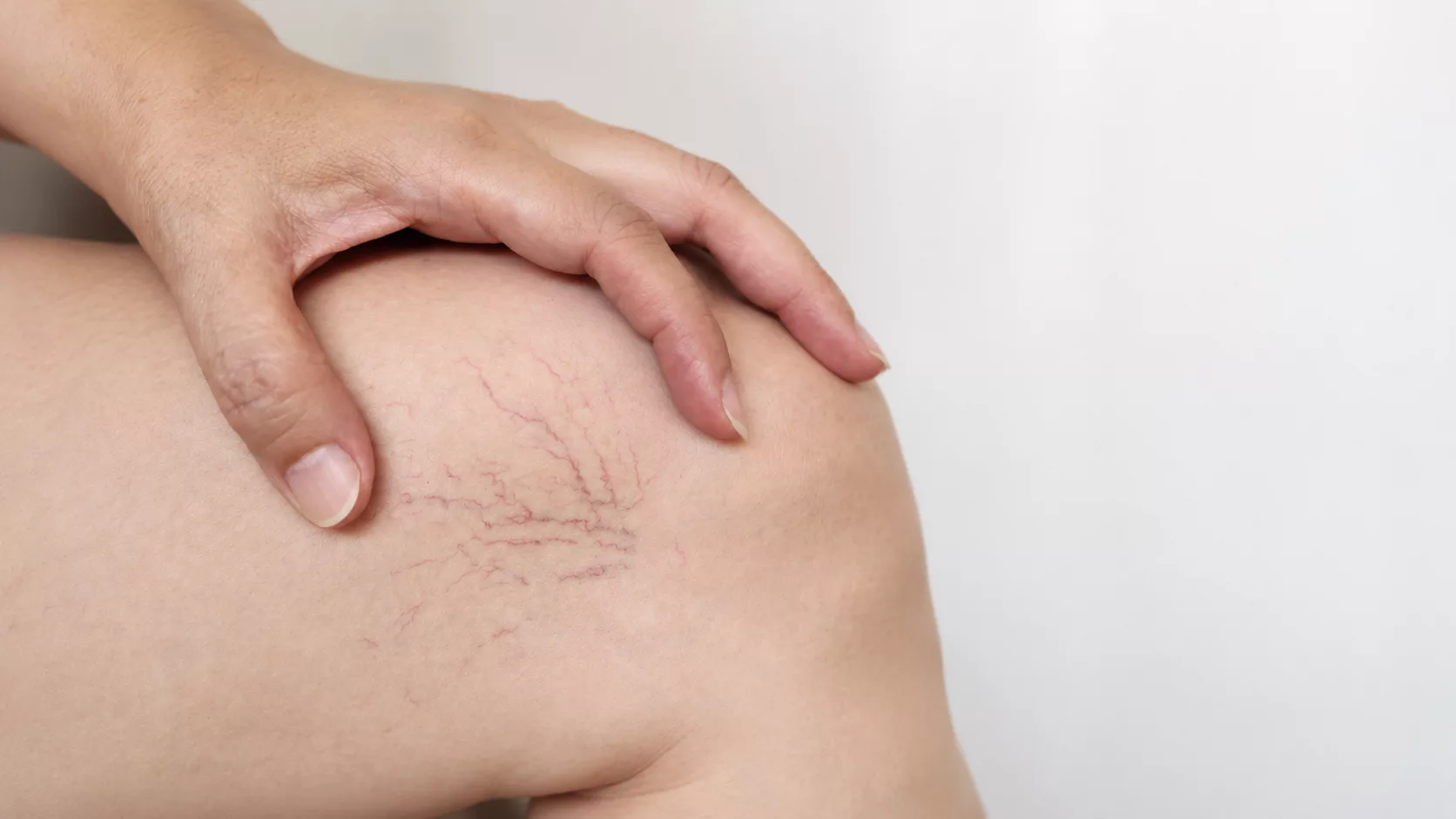
What are broken capillaries?
Broken capillaries, also known as telangiectasia, are small superficial veins that break, resulting in a reddish or purplish discoloration on the skin. This imperfection is very common and can appear in various areas of the body, although it is more frequent on the legs and face. The main causes may include genetic predisposition, age, sun exposure, and hormonal factors. In some cases, such as during pregnancy, they may appear due to increased blood pressure.
Despite their minor nature, broken capillaries can affect self-perception. By visiting a dermatologist, various available treatment options can be explored, ranging from sclerotherapy to laser treatments. However, it is equally important to consider prevention methods.
Why improve blood circulation?
Improving blood circulation not only contributes to overall health but is a crucial step in reducing the appearance of broken capillaries. Good circulation helps deliver oxygen and nutrients to tissues while removing toxins. Optimal blood flow reduces pressure on veins and capillaries, minimizing the risk of rupture.
According to the World Health Organization, preventing cardiovascular diseases also involves improving circulation. Some simple lifestyle changes can yield significant results.
Physical activity and broken capillaries
Regular physical activity is one of the most effective ways to improve blood circulation. Exercises like walking, swimming, or jogging stimulate blood flow and strengthen the walls of blood vessels. It is recommended to dedicate at least 30 minutes a day to moderate physical activity, five times a week. Even simple daily actions, such as taking the stairs instead of the elevator, can make a difference.
If you are wondering which specific exercises can help you prevent broken capillaries, here are some practical options:
- Brisk walking: Start with 15 minutes a day and gradually increase to 30 minutes.
- Cycling: Cycle for at least 20-30 minutes, three times a week.
- Stretching: Spend 10 minutes a day on simple stretching exercises, focusing on legs and glutes.
Specific exercises for circulation
There are specific exercises you can incorporate into your routine to improve circulation and prevent broken capillaries. These exercises are designed to stimulate blood flow in the lower body and strengthen the veins. Here are some options:
- Calf raises: Stand and rise onto your toes, then return to the starting position. Perform 3 sets of 15 repetitions.
- Squats: Do 3 sets of 12 squats, keeping your back straight. This exercise engages the leg muscles and improves circulation.
- Kegel exercises: Perform these exercises to strengthen pelvic muscles, which can help improve circulation in the lower areas. Do 3 sets of 10 repetitions.
Diet and hydration for capillary health
A balanced diet is crucial for maintaining healthy capillaries. Foods rich in vitamins C and E, antioxidants, and Omega-3 are particularly beneficial. For example, you can include in your diet:
- Foods rich in vitamin C: citrus fruits like oranges and lemons, strawberries, and kiwis.
- Omega-3: fatty fish like salmon and mackerel, flaxseeds, and walnuts.
- Foods rich in flavonoids: dark chocolate, green tea, and berries.
Additionally, it is essential to stay well-hydrated. Drinking at least 8 glasses of water a day can help keep the skin elastic and promote good circulation.
Natural remedies for fragile capillaries
There are also several natural remedies that can support capillary health. Among these, horse chestnut extract and vitamin K are particularly known for their beneficial properties. Horse chestnut, for example, helps strengthen veins and improve circulation. You can take it through supplements available at pharmacies or herbal shops, following the recommended dosages.
Additionally, you can apply creams or gels containing plant extracts like ginkgo biloba or rosehip oil to the affected area, thereby promoting better blood circulation and reducing the imperfection.
Lifestyle changes to adopt for prevention
To prevent broken capillaries, it is necessary to adopt a healthy lifestyle. This includes avoiding smoking, limiting alcohol consumption, and maintaining a healthy body weight. In particular, controlling weight is crucial, as excess weight increases pressure on the veins, facilitating the rupture of capillaries.
Moreover, paying attention to posture is essential. Sitting correctly, avoiding crossing your legs for long periods, can help maintain adequate blood flow. Try to stand up and walk every 30-60 minutes if your job requires sitting for long periods.
Conclusion: start today
Taking care of your blood circulation and preventing broken capillaries is a challenge that requires daily commitment. By adopting a healthy diet, regularly practicing physical exercises, and improving your lifestyle, you can have a significant impact on the health of your capillaries. Start today by dedicating 30 minutes a day to physical activity and incorporating nutrient-rich foods into your diet. We encourage you to monitor your health and notice how these small habits can make a difference over time.



Comments
comments.cta_title
comments.cta_text
comments.login_cta
comments.empty_title
comments.empty_text