
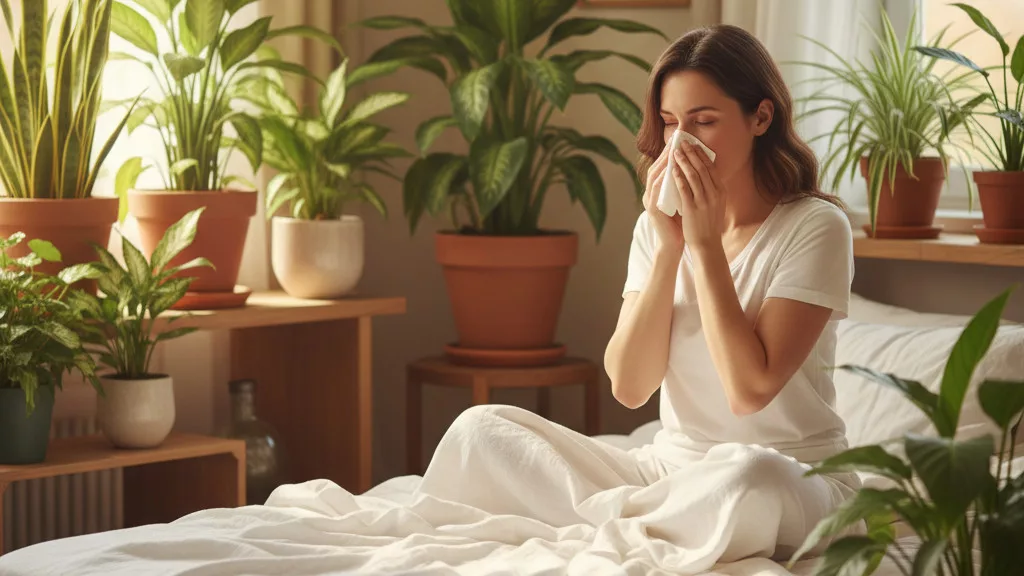
Introduction: Plants and Air Quality
Houseplants are not just a decorative element in our homes; they play a crucial role in improving air quality and creating a healthier and more welcoming environment. In particular, plants can help combat dust mite allergies, a disorder increasingly common in modern homes. In this article, we will explore how houseplants can help reduce symptoms related to this allergy and improve our daily well-being.
What is Dust Mite Allergy?
Dust mite allergy is an allergic disorder primarily caused by the presence of dust mites, tiny arachnids invisible to the naked eye, that feed on dead human skin cells and other debris. These organisms thrive in warm and humid environments, making our homes an ideal habitat for their proliferation. The most common symptoms include:
- Sneezing and runny nose
- Coughing and breathing difficulties
- Itchy and red eyes
- Dermatitis and skin irritations
Contact with dust mites can trigger allergic reactions in predisposed individuals, making it essential to find ways to reduce their presence in domestic environments.
How Plants Improve Air Quality
Plants have the extraordinary ability to filter and purify the air through various mechanisms. They absorb carbon dioxide and release oxygen during the process of photosynthesis, thus contributing to improved indoor air quality. Additionally, some species of plants can absorb toxic chemicals present in the air, such as formaldehyde and benzene, which can exacerbate allergy symptoms.
Plants can also increase air humidity through transpiration, a process that releases water vapor from the leaves. This can be particularly beneficial in dry environments, where dry air can irritate the respiratory tract and worsen allergies.
Plants Against Allergies: The Best Choices
Not all houseplants are equal when it comes to improving air quality and combating dust mite allergies. Here are some of the most effective plants you can consider:
- Sansevieria (Mother-in-law's Tongue): This plant is known for its ability to absorb toxins and release oxygen at night, making it perfect for bedrooms.
- Peace Lily: Great for filtering harmful substances like formaldehyde, it is also a low-maintenance plant.
- Ficus elastica (Rubber Plant): This plant is not only beautiful but also an excellent air purifier, capable of removing allergens from the environment.
- Areca Palm: Known for its ability to increase air humidity, it is ideal for those suffering from respiratory allergies.
- Dracaena: This plant is a great choice for reducing levels of benzene and formaldehyde in the home.
Strategies for Plant Care and Dust Mite Reduction
To maximize the benefits of houseplants in the fight against dust mite allergies, it is essential to care for them properly. Here are some effective strategies:
- Choosing Plants: Opt for plants known for their purifying properties and that require little humidity.
- Placement: Position plants in strategic points in the house, such as the living room and bedroom, to optimize air purification.
- Regular Maintenance: Clean the leaves of the plants regularly to remove dust and allergens.
- Humidity Control: Maintain an adequate humidity level, avoiding overly humid environments that can promote mite proliferation.
- Use Quality Soil: Choose soils specifically formulated to minimize the presence of allergens.
Integration with Other Environmental Health Practices
In addition to using houseplants, there are other practices that can help keep the air in your home clean and healthy. Some suggestions include:
- Regular Ventilation: Open windows to allow air exchange and reduce allergen buildup.
- Use of HEPA Filters: Use vacuum cleaners and air purifiers equipped with HEPA filters to capture dust and allergens.
- Frequent Cleaning: Keep the house clean by regularly vacuuming carpets and fabrics, where mites are most present.
- Temperature Control: Maintain cool and consistent temperatures to reduce allergen proliferation.
Psychological Benefits of Plants at Home
Not only do plants improve air quality, but they also have positive effects on our psychological well-being. Studies show that the presence of plants in the home can reduce stress and improve mood. Caring for plants provides an opportunity to practice mindfulness, while the simple act of taking care of a living organism can lead to greater personal satisfaction.
The beauty of plants can also enhance the feeling of well-being, contributing to creating a more welcoming and relaxing home environment.
Testimonials and Case Studies
Numerous studies have demonstrated the effectiveness of plants in improving air quality. A study conducted by the University of Georgia highlighted how certain houseplants can significantly reduce levels of formaldehyde and benzene in enclosed environments. Other research has revealed that the presence of plants can help improve concentration and productivity, factors that benefit not only those working from home but also those spending a lot of time in the domestic environment.
Testimonials from people who have introduced plants into their homes often report a decrease in allergy symptoms and an overall improvement in quality of life, emphasizing the importance of a healthy and natural environment.
Conclusions: Creating a Healthy Environment with Plants
In conclusion, houseplants not only beautify indoor spaces but also offer numerous health benefits, particularly for those suffering from dust mite allergies. By choosing the right plants, caring for them, and integrating them with other environmental health practices, it is possible to create a healthy and welcoming home environment.
Investing in home greenery is an important step towards lasting well-being. Not only will you improve air quality, but you will also contribute to a better mood and a more harmonious environment in which to live and work.



Comments
comments.cta_title
comments.cta_text
comments.login_cta
comments.empty_title
comments.empty_text