
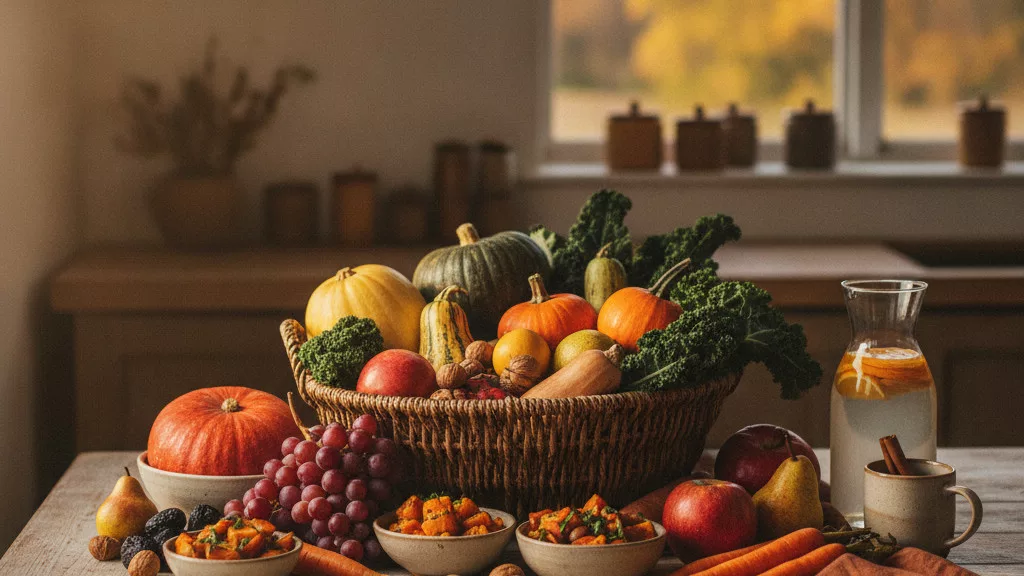
Introduction to Autumn Nutrition
With the arrival of autumn, our body begins to require dietary adjustments to cope with climate changes and the decrease in sunlight. It is during this time that our immune system needs extra support to fight seasonal illnesses and the fatigue that may arise. In this article, we will explore how to modify your autumn diet to keep you energetic and healthy, focusing on specific foods and nutritious meals.
The Benefits of Autumn Nutrition
Autumn nutrition not only helps combat fatigue but also prepares the body for winter. With the importance of nutrient-rich foods, we can strengthen our immune system and optimize our overall well-being. During the autumn months, it is beneficial to choose seasonal foods that offer essential vitamins and minerals.
1. Pumpkin: An Autumn Superfood
Pumpkin is one of the quintessential autumn foods. Rich in beta-carotene, vitamin C, and fiber, it helps strengthen the immune system. You can use it in soups, purees, or even roasted. A practical tip: try making a pumpkin cream with 300 g of pumpkin, 1 onion, 2 carrots, and vegetable broth. Cook everything in a pot and blend until you achieve a creamy consistency.
2. Cauliflower: Versatile and Nutritious
Cauliflower is an excellent choice for autumn, rich in vitamin C and antioxidants. It can be eaten raw in salads or steamed, roasted, or blended to make a 'risotto'. A simple recipe is roasted cauliflower: take a whole cauliflower, break it into pieces, season it with olive oil and spices to taste; cook it at 200°C for 25-30 minutes.
3. Mushrooms: An Ally for the Immune System
Mushrooms, such as champignon and porcini, contain beta-glucans, which stimulate the immune system. They can be cooked in many ways: in risottos, salads, or as a side dish. I recommend preparing a mushroom risotto using 200 g of fresh mushrooms, 300 g of arborio rice, vegetable broth, and a bit of white wine for flavor.
4. Apples: Nutrients and Antioxidants
Apples are an autumn fruit rich in fiber and vitamin C. Eat them raw or in desserts like apple pie. For a healthy idea: make an apple salad with 1 sliced apple, walnuts, feta cheese, and a light vinaigrette. This dish is not only tasty but will also help keep you active.
5. Nuts and Seeds: Sources of Energy
Nuts and seeds are rich in healthy fats, proteins, and zinc, essential for supporting the immune system. Add a mix of nuts (30 g per day) to your breakfasts, or use them as an afternoon snack. You can prepare an energy bar with 100 g of dates, 50 g of nuts, and 50 g of mixed seeds, blending everything and forming bars.
How to Create Nutritious Meals for Autumn
Preparing nutritious meals during autumn involves a combination of foods to maximize nutrient intake. It is helpful to plan meals in advance, using seasonal ingredients. Always include a portion of lean protein, complex carbohydrates, and plenty of vegetables. An example of a meal could be an autumn salad with quinoa, spinach, pumpkin, walnuts, and feta, dressed with olive oil and balsamic vinegar.
Tips to Combat Fatigue
To reduce autumn fatigue, it is essential to pay attention not only to nutrition but also to lifestyle. Here are some practical tips:
- Engage in at least 30 minutes of physical activity each day, such as a brisk walk after dinner.
- Ensure you sleep between 7 and 9 hours per night.
- Avoid foods high in sugars and saturated fats that can weigh down the body and compromise energy.
Conclusion: Prepare for Autumn
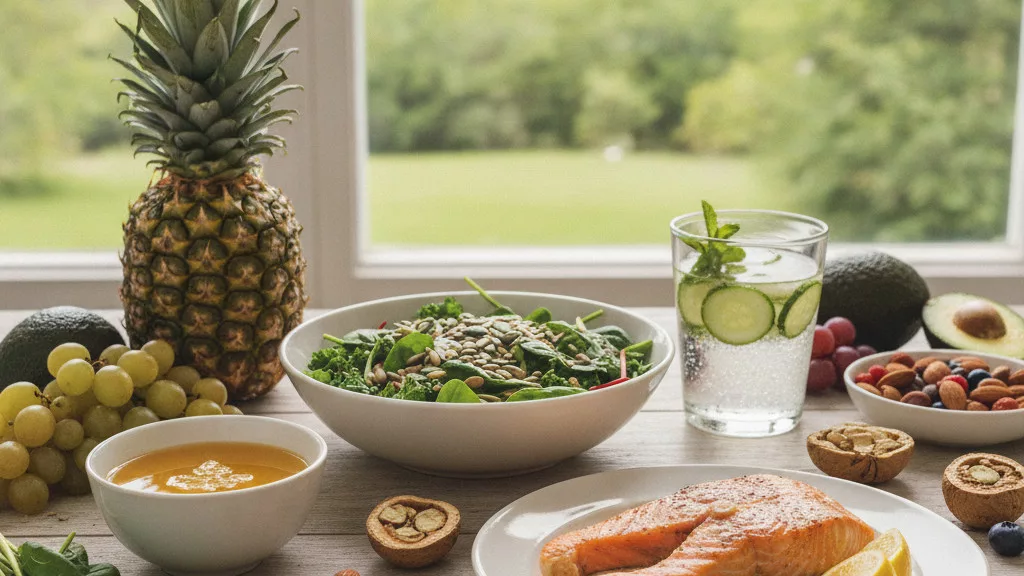
Adapting your diet for autumn is not just about food choices, but also a way to take care of your body. By incorporating seasonal foods rich in nutrients, you will be able to support your immune system and combat fatigue. Start planning your meals today and see how you feel. Try to integrate these foods into your daily diet and observe how they improve your overall well-being.


Comments
comments.cta_title
comments.cta_text
comments.login_cta
comments.empty_title
comments.empty_text