
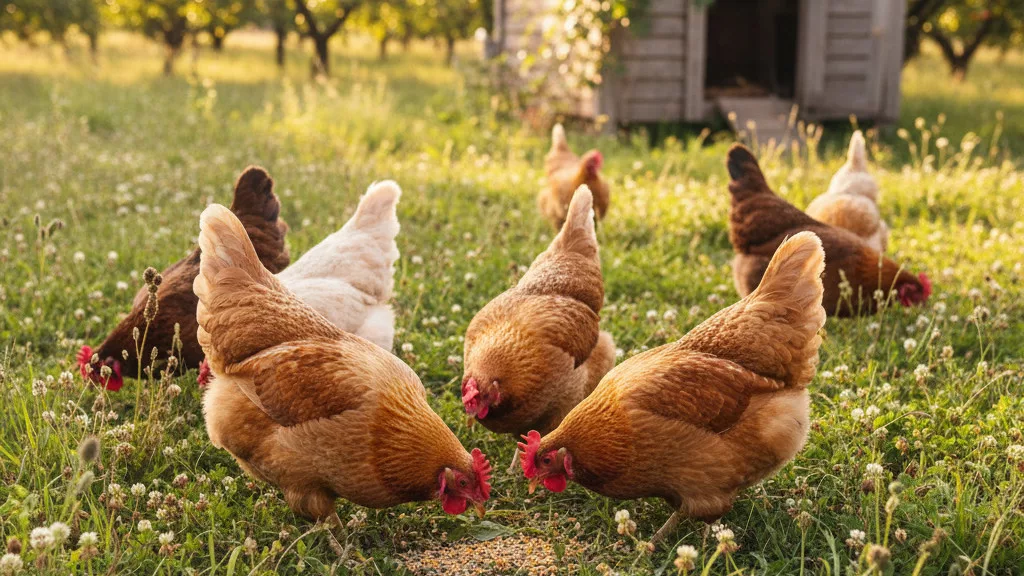
Introduction to Avian Influenza
Avian influenza is a highly contagious infectious disease that primarily affects birds but can also be transmitted to humans, posing a potential public health risk. Scientifically known as H5N1 and H7N9, it is caused by various strains of avian influenza viruses. Symptoms in humans can range from mild to severe, and in some cases can be fatal.
In this article, we will focus on the interaction between avian influenza and the human immune system, exploring preventive measures and nutritional strategies to support health in the event of exposure to avian viruses.
Mechanisms of Virus Transmission
The avian influenza virus spreads primarily through direct contact with infected birds or contaminated surfaces. Humans can contract the virus through:
- Direct contact with infected birds or their droppings.
- Handling of uncooked poultry meat or contaminated eggs.
- Inhalation of viral particles present in the air, especially in crowded environments such as poultry markets.
It is essential to recognize early symptoms to promptly activate prevention and treatment measures.
Symptoms and Health Risks for Humans
Symptoms of avian influenza in humans can manifest in various ways, including:
- High fever and chills.
- Cough and sore throat.
- Muscle aches and fatigue.
- Severe respiratory problems, such as pneumonia.
In some cases, severe acute respiratory syndrome may occur, which can lead to fatal complications. Mortality is higher in patients with pre-existing conditions, such as heart or respiratory diseases.
Interaction with the Human Immune System
The immune system plays a crucial role in responding to influenza virus infections. When an avian influenza virus enters the body, the immune system activates a series of defensive mechanisms, including:
- Production of specific antibodies.
- Activation of cytotoxic T cells that destroy infected cells.
- Secretion of cytokines, which are proteins that facilitate communication between immune cells.
However, some strains of avian viruses can evade the immune response, making infections more severe. It is therefore important to strengthen the immune system through preventive measures.
Preventive Measures Against Avian Influenza
To reduce the risk of avian influenza infection, it is essential to adopt effective preventive measures. Here are some recommendations:
- Vaccination: In some regions, a specific vaccine for avian influenza is available. Consult a doctor for information on availability and guidelines.
- Personal hygiene: Wash hands frequently with soap and water, especially after handling poultry products.
- Avoid contact with wild birds: Limit exposure to wild birds and poultry markets, especially during outbreaks.
- Proper cooking of food: Ensure that meats and eggs are well-cooked before consumption.
Following these measures can help protect individual and public health.
The Role of Nutrition in Immune Support
A balanced diet plays a fundamental role in strengthening the immune system. Some essential nutrients can help improve the immune response against viral infections, including:
- Vitamin C: Found in citrus fruits, kiwi, and leafy green vegetables, it promotes the production of white blood cells.
- Vitamin D: Important for immune function, it can be obtained through sunlight exposure and foods like fatty fish and eggs.
- Zinc: Essential for the development and function of immune cells, it is found in red meat, legumes, and seeds.
- Probiotics: Promote gut health and can enhance the immune response. They are found in yogurt and fermented foods.
Incorporating these nutrients into your diet can help support the immune system and prepare it to fight potential infections.
Dietary Supplements: What to Consider
In case of exposure to avian viruses, dietary supplementation can play a significant role in supporting health. Some supplements may be helpful:
- Vitamin C: May reduce the duration and severity of viral infections.
- Echinacea extract: Known for its immune-stimulating properties, it may help prevent respiratory infections.
- Turmeric: Contains curcumin, which has anti-inflammatory properties and may support immune function.
- Omega-3: Omega-3 fatty acids can modulate the immune response and reduce inflammation.
Before starting any supplementation, it is advisable to consult a health professional to assess individual needs.
Health Monitoring and Medical Consultation
It is important to monitor your health, especially in case of exposure to potential sources of infection. Some warning signs include:
- Persistent or severe respiratory symptoms.
- High fever that does not subside.
- Extreme fatigue and weakness.
In case of suspicious symptoms, it is essential to consult a doctor for an accurate diagnosis and timely treatment. Early diagnosis and intervention can make a difference in improving recovery prospects.
Conclusions and Final Thoughts
Avian influenza poses a serious threat to public health, but understanding transmission methods, symptoms, and preventive measures can make a difference. Adopting a healthy lifestyle and following a balanced diet are fundamental steps to support the immune system.
In case of exposure to the virus, it is crucial to act promptly, consulting health professionals and adopting appropriate preventive and nutritional measures. Investing in health is always a winning choice.



Comments
comments.cta_title
comments.cta_text
comments.login_cta
comments.empty_title
comments.empty_text