

Introduction: Seasonal Allergies and Gut Flora
Seasonal allergies, also known as allergic rhinitis or hay fever, affect millions of people worldwide, especially during spring when pollen is most abundant. Symptoms include nasal congestion, sneezing, itchy eyes, and fatigue. In recent years, research has highlighted a surprising link between gut health and the body's allergic responses.
The gut flora, or microbiota, is made up of trillions of bacteria that live in our intestines and play a crucial role in maintaining overall health. A balanced microbiota can influence the immune system's response to allergens, suggesting that gut health could be a key to managing seasonal allergies.
What Are Seasonal Allergies?
Seasonal allergies are immune system reactions to substances in the environment, such as pollen from plants, trees, and grasses. These allergens can trigger the release of histamine, a chemical that causes allergic symptoms.
During spring, pollen from grasses, trees, and flowers is particularly abundant. When an allergic person inhales this pollen, their immune system overreacts, causing inflammation and unpleasant symptoms.
Symptoms of Seasonal Allergies
The symptoms of seasonal allergies can range from mild to severe and include:
- Nasal congestion: difficulty breathing through the nose.
- Sneezing: frequent episodes of sneezing.
- Itchy eyes: discomfort and tearing sensation.
- Dry cough: throat irritation.
- Fatigue: general tiredness due to the allergic reaction.
These symptoms can affect quality of life and productivity, making allergy management important.
Diagnosis of Seasonal Allergies
The diagnosis of seasonal allergies usually begins with a medical visit. The doctor may perform some tests to determine which allergens the person is sensitive to.
Types of Tests:
- Skin tests: small prick tests on the skin to assess reactions to allergens.
- Blood tests: to measure levels of specific IgE antibodies for certain allergens.
Once the allergens are identified, the doctor can recommend a personalized treatment plan.
The Gut Flora and the Immune System
The gut flora is a complex ecosystem that plays a fundamental role in regulating the immune system. A healthy microbiota can maintain the balance of immune responses and prevent excessive reactions to external substances, such as allergens.
Recent studies suggest that a diverse microbiota can reduce inflammation and improve tolerance to allergens. This implies that gut bacteria can influence the severity of allergic reactions.
Factors Influencing Gut Health
Numerous factors can influence the composition of gut flora, including:
- Diet: a diet rich in fiber, fruits, and vegetables promotes the growth of beneficial bacteria.
- Antibiotics: excessive use of antibiotics can destroy good bacteria, disrupting gut balance.
- Lifestyle: stress, lack of sleep, and sedentary behavior can negatively affect gut health.
Understanding these factors is essential for promoting a healthy gut flora and, consequently, a balanced immune response.
Strategies to Maintain Balanced Gut Flora
To improve gut health, various strategies can be adopted:
- Balanced diet: incorporate fermented foods like yogurt, kefir, and sauerkraut.
- Fiber: consume fiber-rich foods to nourish good bacteria.
- Hydration: drink plenty of water to keep the gut healthy.
- Physical activity: engage in regular exercise to improve circulation and digestion.
- Stress management: adopt relaxation techniques such as yoga and meditation.
Implementing these strategies can help build a healthy gut flora and improve the body's response to allergens.
The Role of Probiotics and Prebiotics
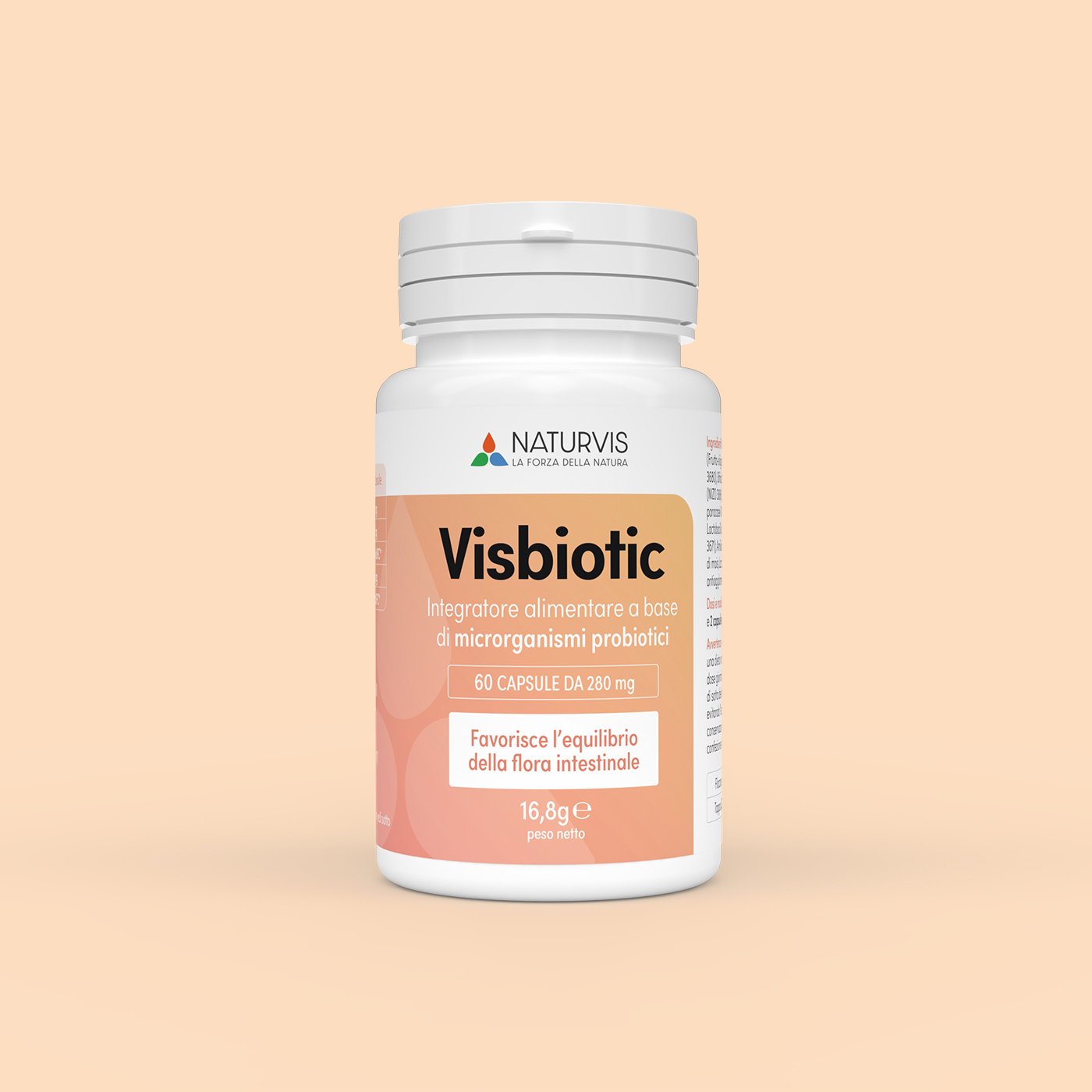
Probiotics are live microorganisms that, when taken in adequate amounts, can provide health benefits, including modulation of the immune response. Prebiotics, on the other hand, are indigestible dietary fibers that feed the beneficial bacteria already present in the gut.
Scientific studies have shown that regular intake of probiotics can reduce allergy symptoms. Additionally, prebiotics can improve the composition of the microbiota, increasing microbial diversity and stability of gut flora.
Conclusions: A New Approach to Allergy Prevention
The link between gut health and seasonal allergies represents an expanding field of research. Promoting a balanced microbiota can not only improve overall health but may also reduce the impact of seasonal allergies.
Adopting strategies to maintain balanced gut flora, such as a healthy diet, intake of probiotics and prebiotics, and an active lifestyle, can have positive effects on the immune system's response to allergens. With greater awareness of this connection, we can take a new approach to allergy prevention.



Comments
comments.cta_title
comments.cta_text
comments.login_cta
comments.empty_title
comments.empty_text