
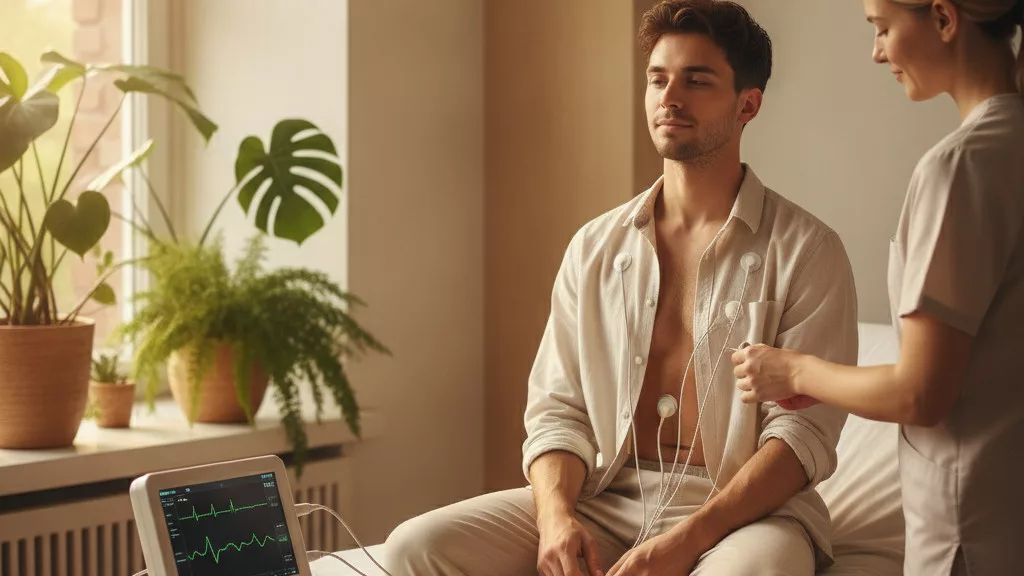
Introduction to Echocardiography
Echocardiography is a fundamental test for the assessment of heart health. It is a non-invasive method that uses sound waves to create images of the heart in motion, allowing doctors to analyze its structure and function. This test is often prescribed in cases of suspected heart problems, such as heart failure, valve diseases, or congenital anomalies.
Properly preparing for the echocardiogram not only facilitates the exam but can also help reduce anxiety. In this article, we will explore some practical strategies for preparing both physically and psychologically.
Importance of Physical Preparation
Physical preparation plays a crucial role in ensuring optimal execution of the echocardiogram. It is advisable to follow some specific guidelines:
- Hydration: Drink water throughout the day before the exam. A good level of hydration facilitates the quality of the images obtained during the echocardiogram.
- Comfortable Clothing: Wear light and comfortable clothes. Avoid tight or heavy garments that can make it difficult to position the electrodes or move during the exam.
- Light Physical Activity: If possible, take a short walk the day before. This helps keep the body active, thus reducing muscle tension and anxiety.
Psychological Preparation: Facing Anxiety
The fear of the unknown can generate stress. Here’s how to tackle it:
- Get Informed: Understanding what to expect from the echocardiogram can reduce anxiety. The exam generally lasts from 30 to 60 minutes and is not painful. Ask the healthcare staff any questions you have.
- Relaxation Exercises: Before the exam, try deep breathing techniques. Take a deep breath counting to four, hold for four seconds, then exhale counting to six. Repeat for a few minutes.
- Positive Visualization: Imagine your body in a state of calm and health during the exam. This technique helps create a positive association with the experience.
Practical Tips on the Day of the Exam
On the day of the echocardiogram, follow these simple tips:
- Arrive Early: Show up for your appointment at least 15-20 minutes early. This will give you time to relax and adjust to the environment.
- Avoid Caffeine and Alcohol: Do not consume caffeinated or alcoholic beverages in the hours leading up to the exam. These substances can increase anxiety and affect your heart rate.
- Talk to the Technician: If you have questions or concerns, discuss them with the technician. Often, having a professional available to explain each step of the exam can alleviate anxiety.
Effects of Breathing on the Heart
Breathing plays a crucial role in regulating stress and heart health. Studies have shown that controlled breathing can lower blood pressure and improve overall well-being. Before the exam, do a breathing exercise:
- Inhale slowly through your nose counting to four.
- Hold your breath for four seconds.
- Exhale slowly through your mouth counting to six.
- Repeat five times.
This simple exercise can help you calm down before the echocardiogram.
Pre-Exam Nutrition: What to Eat
A light and balanced diet the day before the echocardiogram can positively affect your comfort during the exam. Here are some suggestions:
- Breakfast: Opt for a light meal such as plain yogurt with fresh fruit. Avoid heavy and fatty foods.
- Lunch: A mixed salad with grilled chicken and avocado is an ideal choice. Remember to limit salt to avoid water retention.
- Dinner: A portion of steamed fish with a side of vegetables can be a great option. Don’t forget to drink enough water throughout the day.
The Role of Social Support
Having someone close can make a difference. If possible, bring a family member or friend to the hospital or clinic. A familiar face can help you feel more comfortable and less anxious during the exam.
Additionally, sharing your concerns with someone you trust can help reduce stress. Talk to your doctor or a mental health professional if you feel excessively anxious about the echocardiogram.
Conclusions and Final Thoughts
Preparing for an echocardiogram requires attention to both the physical and psychological aspects. Following these practical tips not only facilitates the exam but can also contribute to greater peace of mind. Take care of your heart health by calmly addressing each step of the process.
We encourage you to try these strategies before your next appointment. Note the results and observe how your experience changes. Your heart health deserves the utmost attention, and the right approach can make a difference.



Comments
comments.cta_title
comments.cta_text
comments.login_cta
comments.empty_title
comments.empty_text