
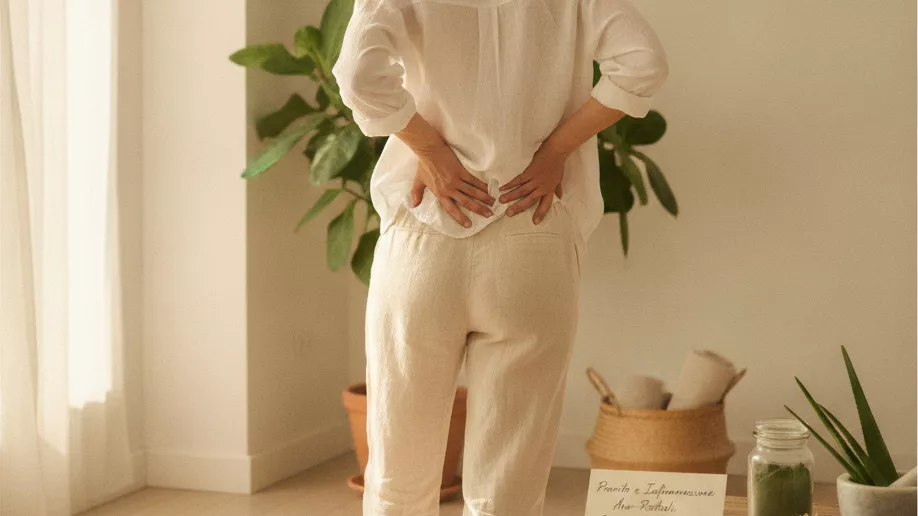
Introduction to Itching and Anorectal Inflammation
Itching and inflammation in the anorectal area can cause significant discomfort and affect quality of life. Anal fissures and hemorrhoids are two of the most common issues that lead to these unpleasant sensations. According to the National Institute of Health, about 50% of adults will experience anorectal problems at least once in their lifetime. In this article, we will explore natural remedies and dietary strategies to effectively manage these issues.
Causes of Itching and Anorectal Inflammation
The causes of anorectal itching and inflammation can vary from dietary factors to medical conditions. Some of the main triggers include:
- Constipation: Difficulty in bowel movements can lead to irritation of the anal mucosa.
- Poor hygiene: Inadequate hygiene can exacerbate itching and inflammation.
- Dermatological conditions: Eczema or psoriasis can also affect the anorectal area.
- Dietary factors: Spicy or irritating foods can contribute to these disorders.
To address these issues, it is essential to understand the causes and act on them.
Natural Remedies for Itching and Inflammation
There are several natural remedies that can help relieve itching and inflammation:
- Aloe Vera: Thanks to its soothing properties, applying aloe vera gel to the affected area can significantly reduce itching. Try using pure gel, applying it twice a day.
- Essential Oils: Tea tree oil and lavender oil have anti-inflammatory properties. Dilute 2-3 drops of essential oil in a tablespoon of vegetable oil and gently massage the area.
- Chamomile Compresses: Chamomile tea bags can be used as cold compresses to soothe inflammation. Soak the bags in hot water, let them cool, and apply for 10-15 minutes.
These remedies can be integrated into your daily routine to improve comfort.
Dietary Strategies for Prevention
A proper diet is essential to prevent conditions that can lead to anorectal itching and inflammation. Here are some tips:
- Increase fiber intake: Consume at least 30 grams of fiber daily, including fruits, vegetables, and whole grains. For example, a 100-gram serving of oats contains about 10 grams of fiber.
- Drink plenty of water: Ensure you drink at least 2 liters of water daily to maintain good hydration and facilitate bowel movements.
- Limit spicy and fatty foods: Reduce the intake of foods like chili peppers, fried foods, and heavily seasoned dishes, which can irritate the intestinal mucosa.
These small changes can make a difference in managing your intestinal well-being.
Physical Activity and Intestinal Well-Being
Regular physical activity can help improve intestinal function and prevent anorectal issues. Here are some ideas:
- Brisk walking: Aim for at least 30 minutes of walking every day. This stimulates circulation and promotes regular bowel movements.
- Kegel exercises: Although often associated with women's health, Kegel exercises can strengthen pelvic floor muscles in both sexes. Perform 3 sets of 10 repetitions daily.
- Yoga: Practices such as the Bridge Pose and Butterfly Pose can help relax the pelvic area and improve circulation.
Incorporate these activities into your routine for lasting well-being.
The Importance of Personal Hygiene
Maintaining good personal hygiene is crucial to prevent irritation and infections. Here are some practical tips:
- Gentle cleansers: Use unscented and hypoallergenic soaps to wash the anorectal area. Avoid products with harsh ingredients.
- Thorough drying: After cleaning, gently dry the area with a soft towel, avoiding excessive rubbing.
- Sitz baths: Take a sitz bath with warm water for 10-15 minutes once a day to soothe the inflamed area.
Taking care of these aspects can significantly reduce the risk of itching and inflammation.
When to Consult a Doctor
It is essential to know when to seek professional help. Some warning signs include:
- Severe pain: If the pain is sharp or persistent, it is important to consult a doctor.
- Bleeding: Any bleeding from the anus should be evaluated by a professional.
- No improvement: If symptoms persist despite natural remedies and dietary changes, it is crucial to seek medical assistance.
Taking care of your health is an investment for the future.
Conclusions and Call-to-Action
Addressing anorectal itching and inflammation requires a holistic approach that integrates natural remedies, dietary strategies, and proper hygiene. Start today by implementing some of the shared tips, such as increasing fiber intake and using aloe vera, and observe the results on your daily well-being. Small daily habits can transform your life. Try to implement these changes for two weeks and note how you feel. Your health will thank you!


Comments
comments.cta_title
comments.cta_text
comments.login_cta
comments.empty_title
comments.empty_text