
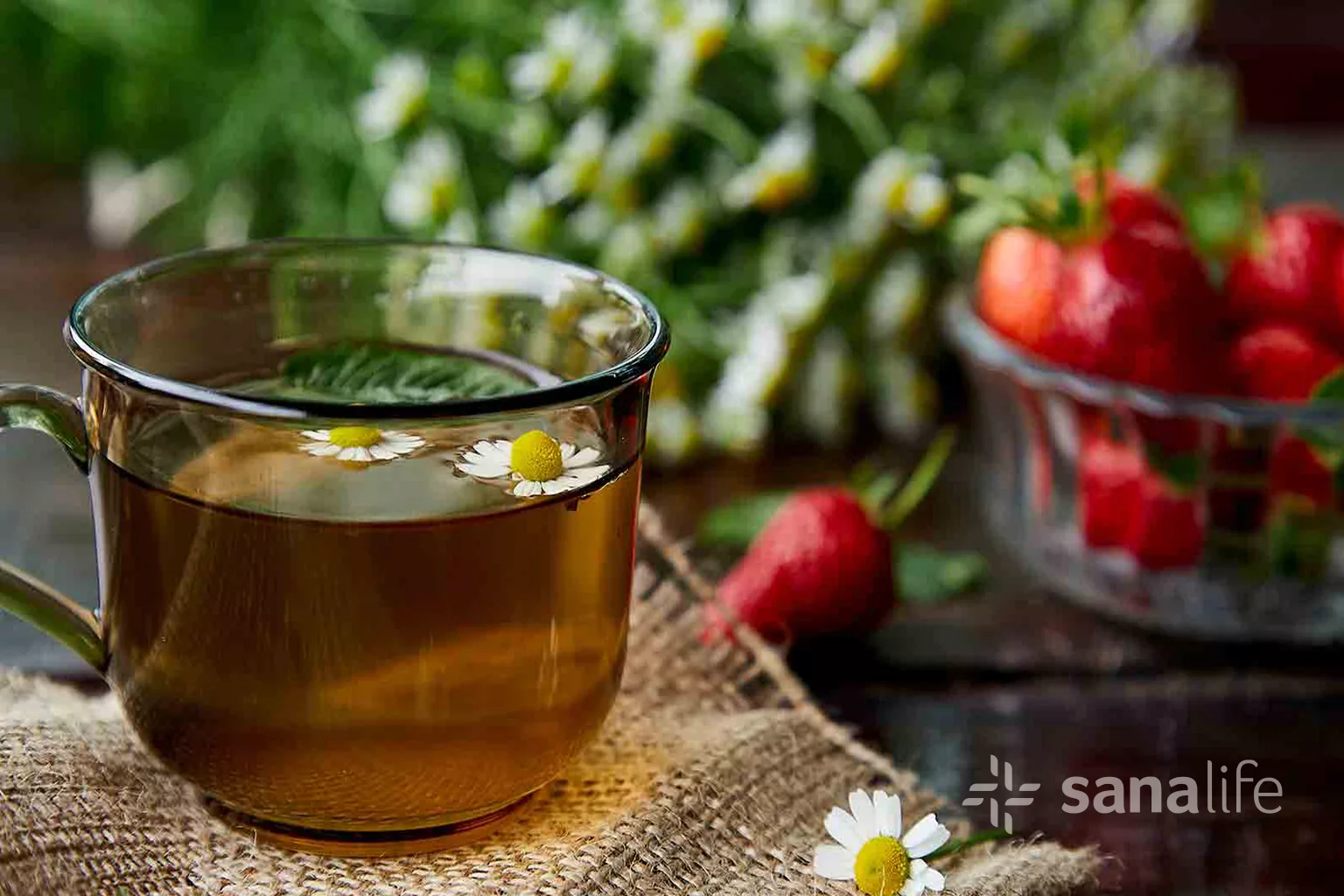
Medicinal Herbal Teas: The Millennia-Old Art of Healing with Plants
The use of plants for therapeutic purposes is as ancient as humanity itself. Long before pharmacies and chemical laboratories existed, humans treated themselves with infusions, decoctions, and herbal teas made from herbs, flowers, roots, and barks. This tradition is not a folkloric remnant: modern phytotherapy is based on increasingly solid scientific evidence that confirms what popular wisdom has passed down through generations.
Medicinal herbal teas represent one of the simplest and most accessible forms of phytotherapy. Unlike capsules or tablet supplements, herbal teas allow for the gradual and physiological absorption of the active principles of plants in a water-soluble form. The heat of the water extracts beneficial compounds, while the very ritual of preparation and consumption has a relaxing and meditative effect that amplifies the benefits of the plant.
It is essential to remember that natural does not mean harmless. Medicinal plants contain pharmacologically active principles that can interact with medications, be contraindicated during pregnancy, or in the presence of certain diseases. Before regularly using medicinal herbal teas, it is always advisable to consult your doctor or a qualified herbalist.
How to Prepare an Herbal Tea Correctly
The quality of the herbal tea depends as much on the plant as on the preparation technique. There are three main methods:
Infusion: this is the most common method, suitable for leaves, flowers, and aerial parts of plants. Boil the water, pour it over the herbs, and let it steep for 5-10 minutes with the lid on (to prevent the dispersion of volatile essential oils). The ideal temperature is 90-95°C — boiling water can degrade some delicate active principles.
Decoction: this method is suitable for roots, barks, and hard parts of plants. Place the herbs in cold water, bring to a boil, and let simmer for 10-20 minutes. This more vigorous method is necessary to extract active principles from tougher plant structures.
Cold maceration: some plants (like mallow) release their mucilages better in cold water. Leave the herbs in room temperature water for 4-8 hours (often overnight), then strain and consume at room temperature or slightly warmed.
General dosage: 1-2 teaspoons of dried herb per cup (200-250 ml), or 2-3 tablespoons of fresh herb. For roots, 1 teaspoon is usually sufficient.
The 10 Most Effective Herbal Teas for Health
1. Chamomile (Matricaria chamomilla)
Chamomile is the most consumed herbal tea in the world, and for good reasons. Its main active principle, apigenin, binds to GABA receptors in the brain, producing a natural calming and anxiolytic effect. Chamomile is effective for promoting sleep, reducing mild anxiety, alleviating abdominal cramps, calming gastric inflammation, and reducing menstrual pain. Clinical studies have shown that regular consumption of chamomile significantly improves sleep quality and reduces symptoms of generalized anxiety. Preparation: infusion of 1-2 teaspoons of dried flowers for 5-8 minutes. Contraindications: possible cross-allergy in individuals allergic to Asteraceae (ragweed, wormwood). It may enhance the effect of anticoagulants.
2. Valerian (Valeriana officinalis)
Valerian is the natural sedative par excellence. Its active principles (valerenic acid, valepotriates) act on the GABAergic system, promoting muscle relaxation and sleep. Unlike pharmaceutical sleeping pills, valerian does not cause dependence and does not alter sleep architecture (REM phases). Preparation: decoction of 1 teaspoon of dried root for 10 minutes. The taste is strong and not very pleasant; it can be combined with lemon balm and passionflower to improve the flavor. When to take it: 30-60 minutes before bedtime. Contraindications: do not combine with benzodiazepines, barbiturates, or other sedatives. Avoid during pregnancy.
3. Ginger (Zingiber officinale)
Ginger is a powerful natural anti-inflammatory and digestive aid. Gingerol, its main active principle, has shown anti-nausea properties superior to some conventional medications. Ginger is effective against nausea (from travel, pregnancy, chemotherapy), abdominal bloating, slow digestion, post-exercise muscle pain, and sore throat. Preparation: decoction of 2-3 slices of fresh root for 10-15 minutes. Lemon and honey can be added. Contraindications: avoid in case of gallstones. It may interact with anticoagulants. During pregnancy, limit to 1-2 cups per day.
4. Peppermint (Mentha piperita)
Peppermint is the digestive herbal tea par excellence. Menthol relaxes the smooth muscles of the gastrointestinal tract, alleviating cramps, bloating, nausea, and irritable bowel syndrome. It also has nasal decongestant, analgesic (headache), and refreshing properties. Preparation: infusion of 1-2 teaspoons of dried leaves (or 5-6 fresh leaves) for 5-7 minutes. Contraindications: may worsen gastroesophageal reflux (relaxes the esophageal sphincter). Avoid in case of gallstones.
5. Dandelion (Taraxacum officinale)
Dandelion (lion's tooth) is an excellent natural liver detoxifier and diuretic. It stimulates bile production, aids in fat digestion, supports liver and kidney function, and provides a good supply of potassium (unlike pharmaceutical diuretics that deplete it). Preparation: decoction of 1 teaspoon of dried root for 10-15 minutes. The leaves are prepared by infusion. Contraindications: avoid in case of bile duct obstruction. It may interact with diuretics and diabetes medications.
6. Echinacea (Echinacea purpurea)
Echinacea is the most studied immune-stimulating plant. It stimulates the activity of macrophages and NK (Natural Killer) lymphocytes, increases interferon production, and strengthens the defenses of the upper respiratory tract. It is particularly useful at the first signs of a cold or flu, reducing the duration and intensity of symptoms. Preparation: decoction of 1 teaspoon of root for 10 minutes. When to take it: at the first signs of a cold, 3 cups a day for 7-10 days. Contraindications: avoid in case of autoimmune diseases. Do not take for continuous periods longer than 8 weeks.
7. Mallow (Malva sylvestris)
Mallow is rich in mucilages — gelatinous substances that form a protective film over inflamed mucous membranes. It is excellent for dry cough, sore throat, gastritis, constipation (the mucilages have a mild laxative effect), and urinary tract inflammation. Preparation: cold maceration for 4-8 hours (the mucilages extract better in cold), or infusion at 70-80°C for 10 minutes. Contraindications: virtually absent. It is one of the safest herbal teas, suitable for children and the elderly.
8. Lavender (Lavandula angustifolia)
Lavender is primarily known as an aromatic plant, but its use in herbal tea has significant anxiolytic, antispasmodic, and digestive properties. Linalool and linalyl acetate, the main components of the essential oil, have demonstrated calming effects comparable to low doses of benzodiazepines in some clinical studies. Preparation: infusion of 1-2 teaspoons of dried flowers for 5-8 minutes. The taste is delicate and floral. Contraindications: may enhance the effect of sedatives. Avoid during the first trimester of pregnancy.
9. Lemon Balm (Melissa officinalis)
Lemon balm (or balm mint) is a calming and digestive plant with a pleasant lemon aroma. Its active principles (rosmarinic acid, flavonoids, triterpenes) have anxiolytic, antispasmodic, antiviral, and carminative properties (reduce intestinal gas). It is particularly indicated for anxiety accompanied by digestive symptoms. Preparation: infusion of 1-2 teaspoons of dried leaves for 5-10 minutes. Contraindications: may interfere with thyroid medications. Avoid in case of hypothyroidism.
10. Nettle (Urtica dioica)
Nettle is one of the most nutrient-rich medicinal plants: iron, calcium, magnesium, silicon, vitamin C, and chlorophyll. Nettle tea is excellent as a remineralizer, blood purifier, joint anti-inflammatory, diuretic, and support in cases of iron-deficiency anemia. It is also useful for seasonal allergies due to its ability to reduce histamine production. Preparation: infusion of 2 teaspoons of dried leaves for 8-10 minutes. Contraindications: may enhance the effect of diuretics and anticoagulants. Avoid in case of edema from heart or kidney failure.
How to Choose and Store Herbs for Herbal Teas
Quality: prioritize herbs from certified organic sources, free from pesticides and contaminants. Specialized herbal shops generally offer higher quality than supermarket bags. Loose herbs are preferable to pre-packaged filters because they allow for better contact with water and contain less dust.
Storage: dried herbs should be stored in airtight containers, away from light, heat, and moisture. Dark glass jars with airtight seals are ideal. In good storage conditions, dried herbs maintain their properties for 12-18 months.
Freshness: always check the harvest or packaging date. Herbs with weak aroma, dull color, or flat taste have lost much of their active principles.
Medicinal herbal teas are a valuable ally for daily health, but they must be used with awareness and respect for their pharmacological properties. In the simplicity of a cup of infusion lies the millennia-old wisdom of nature at the service of human well-being.



Comments
comments.cta_title
comments.cta_text
comments.login_cta
comments.empty_title
comments.empty_text