
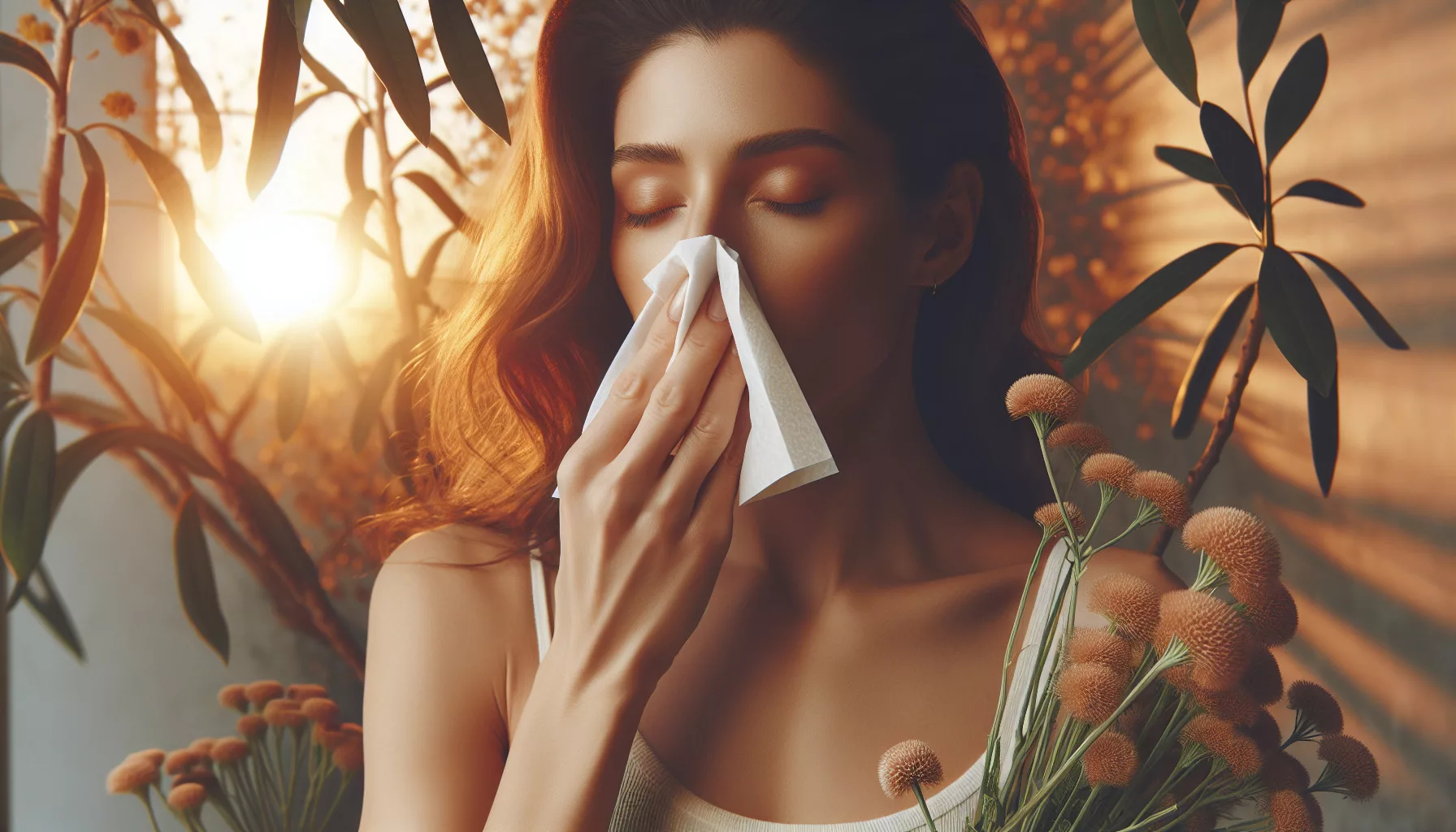
Introduction to Pellitory Allergy
Pellitory allergy is one of the most common allergic conditions, affecting millions of people worldwide. This allergy is primarily caused by the pollen of the pellitory plant, a herbaceous plant that blooms in spring and summer, producing pollen that can trigger allergic reactions in sensitive individuals. Symptoms of pellitory allergy can be bothersome and significantly impact quality of life during the allergy season, which can last from March to October.
In this article, we will explore the symptoms of pellitory allergy, the triggering causes, and the foods to avoid. Additionally, we will delve into natural remedies and supplements that can help alleviate symptoms and improve well-being during this critical season.
What is Pellitory Allergy?
Pellitory allergy is an immune system reaction to the pollen produced by the pellitory plant. This plant is particularly common in urban and rural areas and blooms between late spring and early autumn. Pollen spores can easily disperse into the air and reach the respiratory tracts of many people, triggering allergic symptoms.
The immune system of an allergic person recognizes the pollen as a harmful substance and reacts by producing antibodies, leading to reactions such as inflammation, nasal congestion, and itching. Symptoms can range from mild to severe and can affect daily life.
Causes of Pellitory Allergy
The main causes of pellitory allergy include:
- Pollen: the pollen from the pellitory plant is the primary triggering agent.
- Environmental factors: exposure to fumes, pollution, and other allergens can increase sensitivity.
- Genetic predisposition: those with family members who have allergies are more likely to develop pellitory allergy.
It is important to note that the severity of the allergy can vary from person to person. Some may have mild symptoms, while others may experience more severe reactions that require medical intervention.
Symptoms of Pellitory Allergy
The clinical manifestations of pellitory allergy can include:
- Nasal congestion: the nose may become blocked due to inflammation of the mucous membranes.
- Sneezing: frequent and unexpected, due to irritation of the respiratory tracts.
- Itchy eyes: allergic conjunctivitis, leading to tearing and redness.
- Dry cough: caused by throat irritation.
- Breathing difficulties: in more severe cases, signs of allergic asthma may manifest.
Recognizing the symptoms is essential for timely intervention and improving quality of life during the allergy season.
Foods to Avoid During Pellitory Allergy
Some foods can aggravate the symptoms of pellitory allergy. It is advisable to pay particular attention to:
- Fresh fruits and vegetables: in particular, melons, tomatoes, and cucumbers may contain proteins similar to those found in pellitory pollen.
- Fermented foods: such as sauerkraut and yogurt, which can increase inflammation.
- Alcoholic beverages: some alcoholic drinks can cause cross-reactive allergic reactions.
Keeping a food diary can be helpful in identifying any correlations between diet and allergic symptoms.
Natural Remedies for Pellitory Allergy
There are several natural remedies that can help alleviate the symptoms of pellitory allergy. Among the most effective are:
- Omega-3 supplements: known for their anti-inflammatory properties, they can reduce the allergic response.
- Vitamin C: an antioxidant that can help reduce inflammation and improve immune system functionality.
- Quercetin: a flavonoid that can stabilize mast cell membranes and reduce histamine release.
Before starting any natural treatment, it is always advisable to consult a health professional.
Useful Medicinal Plants
Some medicinal plants are traditionally used to alleviate allergy symptoms. Among these:
- Chamomile: can help soothe mucous membrane inflammation and improve sleep.
- Echinacea: known for its immune-stimulating properties, it can help strengthen the immune system.
- Bach flowers: such as Rescue Remedy, can be useful for managing stress and anxiety related to allergies.
It is important to use these plants under the guidance of an expert to ensure correct and appropriate use.
The Importance of a Healthy Lifestyle
Adopting a healthy lifestyle is essential for effectively managing allergies. Here are some tips:
- Balanced diet: include fruits and vegetables rich in antioxidants and essential nutrients.
- Regular physical activity: exercise helps keep the immune system in good condition.
- Stress management: practices such as yoga and meditation can help reduce allergic symptoms.
A holistic approach to health can make a significant difference in managing allergies.
Consult a Professional
It is essential to consult a health professional in case of allergic symptoms. An allergist can perform specific tests to confirm the allergy and provide precise guidance on the remedies to adopt. Not everyone reacts the same way to natural remedies, so a personalized approach is essential.
Furthermore, in cases of severe symptoms, such as breathing difficulties or throat swelling, it is necessary to seek immediate medical attention.
Conclusions
In conclusion, pellitory allergy is a condition that can significantly affect quality of life, but there are many natural remedies and supplements that can help manage its symptoms. It is important to be proactive and adopt a healthy lifestyle, avoiding triggering foods and resorting to natural remedies to alleviate discomfort. Always consulting a health professional is crucial for effective and personalized treatment.
Remember that managing allergies is a personal journey and may take time and patience, but with the right approach, it is possible to improve well-being during the allergy season.



Comments
comments.cta_title
comments.cta_text
comments.login_cta
comments.empty_title
comments.empty_text