

Introduction to Fertility and Nutrition
Fertility is a crucial topic for many couples who wish to have a child. Recent studies have highlighted how nutrition can have a significant impact on reproductive health. In particular, for those approaching medically assisted reproduction (MAR), choosing the right foods can make a difference. In this article, we will explore the link between nutrition and fertility, analyzing which foods can support reproductive health and improve the chances of conception.
What is Medically Assisted Reproduction (MAR)?
Medically assisted reproduction includes a series of techniques that help couples conceive. These treatments are useful in cases of fertility problems, such as poor sperm quality, or in the presence of specific medical conditions. The main MAR techniques include:
- Intrauterine Insemination (IUI): a method in which sperm is inserted directly into the uterus.
- In Vitro Fertilization (IVF): a process that involves fertilizing the egg in the laboratory and implanting the embryo in the uterus.
- ICSI (Intracytoplasmic Sperm Injection): a technique in which a sperm is injected directly into the egg.
These techniques may be accompanied by hormonal treatments and other interventions to optimize the chances of success, but it is essential to also consider lifestyle factors, including nutrition.
The Role of Nutrition in Fertility
A balanced and nutrient-rich diet is essential for maintaining good reproductive health. Specific nutrients can influence the menstrual cycle, the quality of eggs and sperm, and the overall health of the body. Some studies have shown that a healthy diet can increase the chances of conception and improve MAR outcomes.
A diet rich in fruits, vegetables, whole grains, lean proteins, and healthy fats is associated with a more balanced hormonal profile and better ovarian and testicular function. Conversely, diets high in sugars and saturated fats can have negative effects on fertility.
Foods to Favor for Supporting Fertility
Let’s explore some of the foods that can promote fertility and improve the chances of conception:
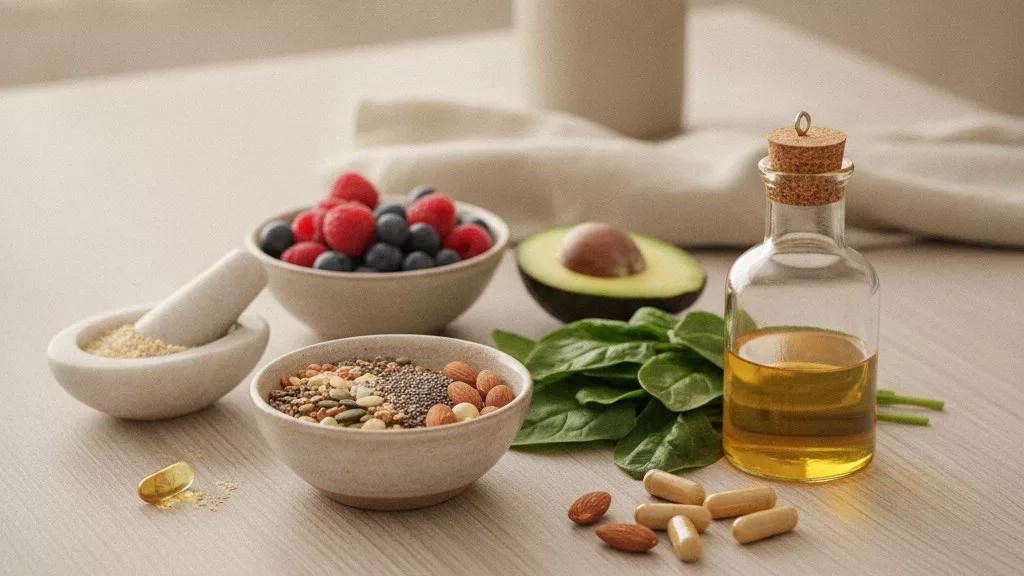
- Fruits and Vegetables: rich in antioxidants, vitamins, and minerals, they help combat oxidative stress. Some examples include berries, citrus fruits, spinach, and broccoli.
- Whole Grains: provide complex carbohydrates and fiber, essential for regulating blood sugar levels. Opt for quinoa, spelt, and oats.
- Lean Proteins: protein sources such as chicken, fish, legumes, and tofu support hormonal production and overall health.
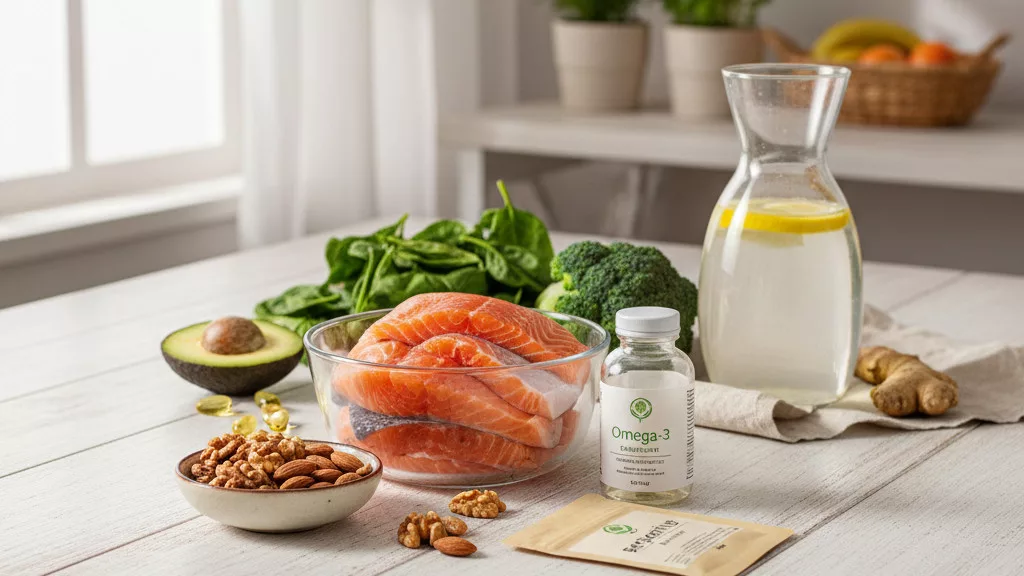
- Healthy Fats: omega-3 fatty acids, found in fatty fish, flaxseeds, and walnuts, are crucial for reproductive health.
- Fermented Foods: yogurt and kefir can improve gut health, positively influencing hormones and the immune system.
Foods to Avoid
It is equally important to know which foods to avoid to optimize fertility. Some foods can negatively affect reproductive health:
- Trans Fats: found in many packaged snacks and fried foods, they can increase inflammation and compromise fertility.
- Refined Sugars: sweets and sugary drinks can cause blood sugar spikes, negatively affecting the hormonal cycle.
- Alcohol: excessive consumption can reduce sperm quality and interfere with the menstrual cycle.
- Caffeine: it is advisable to limit caffeine intake, as high consumption has been associated with fertility problems.
The Role of Nutritional Supplements
In some cases, it may be helpful to consider the use of nutritional supplements to support fertility. It is important to consult a doctor or a nutritionist before starting any supplementation. Some of the most common include:
- Folic Acid: essential for egg health and preventing fetal malformations.
- Vitamin D: fundamental for bone health and hormonal regulation.
- Omega-3: support cardiovascular health and inflammatory regulation.
- Coenzyme Q10: may improve the quality of eggs and sperm.
Lifestyle and Fertility
In addition to nutrition, there are other lifestyle factors that can influence fertility. Among these:
- Physical Activity: moderate physical activity can improve overall health and hormonal well-being.
- Stress Management: relaxation techniques such as yoga and meditation can reduce stress, thus improving the chances of conception.
- Adequate Sleep: good sleep quality is crucial for hormonal balance and reproductive health.
Professional Support in MAR
Going through a MAR process can be emotionally and physically challenging. It is essential to seek support from professionals, such as specialists, nutritionists, and psychologists. A multidisciplinary approach can enhance the effectiveness of treatments and provide emotional support during this journey.
Open communication with your doctor regarding dietary choices and lifestyle is crucial for customizing the MAR path and maximizing the chances of success.
Conclusion: Nutrition as a Tool for Fertility
In conclusion, nutrition plays a crucial role in supporting fertility and improving the chances of conception, particularly for those undergoing MAR. Adopting a balanced diet rich in nutritious foods and limiting harmful foods can make a significant difference in reproductive health. Remember that each journey is unique, and it is always advisable to consult specialists for a personalized and targeted approach.

Comments
comments.cta_title
comments.cta_text
comments.login_cta
comments.empty_title
comments.empty_text