

How Important is Sleep?
Sleep is not a luxury but a biological necessity. During sleep, the body repairs tissues, consolidates memory, regulates hormones, and strengthens the immune system. Chronic sleep deprivation is associated with obesity, diabetes, cardiovascular diseases, and cognitive decline.
The Stages of Sleep
A complete sleep cycle lasts about 90 minutes and includes four stages: two stages of light sleep (N1 and N2), one stage of deep sleep (N3, the most restorative), and REM sleep (where dreaming and memory consolidation occur).
Strategies for Better Sleep
Sleep Hygiene
- Consistent Schedule: go to bed and wake up at the same time every day
- Cool Room: ideal temperature between 18 and 20 degrees
- Total Darkness: use blackout curtains or a sleep mask
- Silence: earplugs or white noise if necessary
Evening Routine
- Turn off screens at least 1 hour before sleeping
- Relaxing herbal tea (chamomile, valerian, lemon balm)
- Reading or meditation to relax the mind
- Warm bath 1-2 hours before bedtime
Sleep Supplements
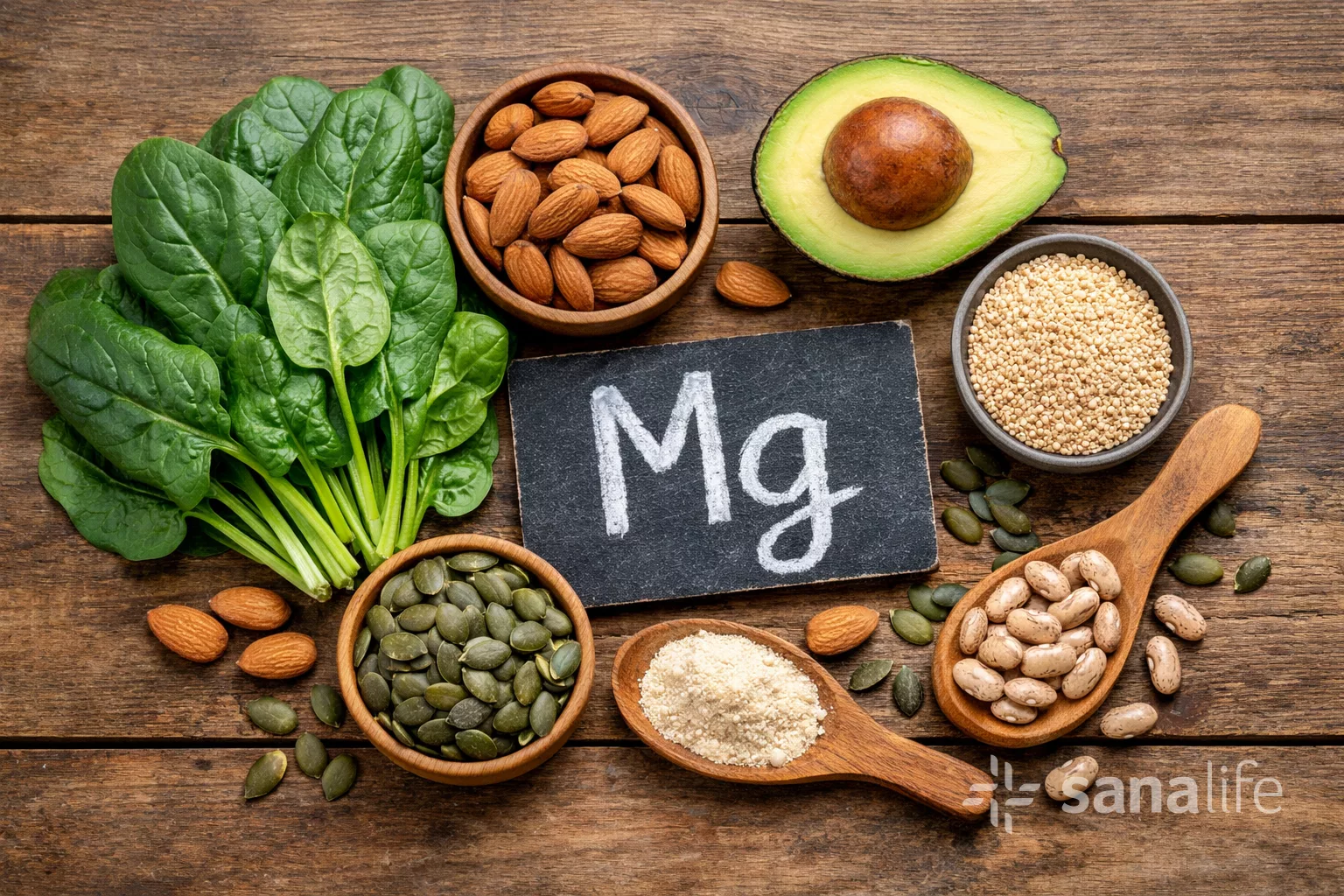
Melatonin (0.5-3 mg), magnesium bisglycinate (200-400 mg), ashwagandha, and L-theanine can support sleep quality when behavioral strategies are insufficient.

Comments
comments.cta_title
comments.cta_text
comments.login_cta
comments.empty_title
comments.empty_text