

Introduction to Vitamin D
Vitamin D is an essential nutrient that plays a fundamental role in human health. Recognized primarily for its contribution to bone health, vitamin D also has significant effects on the immune system, cardiovascular health, and mental well-being. During spring, with the return of the sun and rising temperatures, it is important to understand how to optimize your intake of vitamin D through diet and sun exposure.
The Role of Vitamin D in Health
Vitamin D is a powerful modulator of the immune system. It helps prevent infections and autoimmune diseases, making the body more resilient to illnesses. Additionally, a correlation has been demonstrated between vitamin D levels and mental health; low levels are associated with depressive states and anxiety. Finally, vitamin D is crucial for calcium absorption and bone mineralization, preventing conditions such as osteoporosis.
During the winter months, many people experience a deficiency in vitamin D due to decreased sun exposure and a reduced variety of fresh foods. With the arrival of spring, it is essential to restore optimal levels of this nutrient to ensure good health.
Food Sources of Vitamin D
To ensure adequate vitamin D intake, it is important to include foods rich in this nutrient in your diet. The main food sources of vitamin D include:
- Fatty fish: Salmon, mackerel, and sardines are among the fish richest in vitamin D.
- Egg yolk: Egg yolks contain a good amount of vitamin D and can be easily integrated into the diet.
- Liver: Beef liver is another excellent source of vitamin D.
- Fortified dairy products: Many dairy products are now fortified with vitamin D, making them a practical choice to increase intake.
- Mushrooms: Some mushrooms, such as those exposed to UV light, can provide vitamin D.
Including a variety of these foods in your spring diet can help maintain adequate vitamin D levels.
Sun Exposure and Vitamin D Synthesis
Vitamin D is unique compared to other nutrients, as the human body can synthesize it through exposure to sunlight. The UVB radiation present in sunlight stimulates the production of vitamin D in the skin. During spring, the days lengthen and the amount of sun increases, making this period ideal for optimizing vitamin D levels through sun exposure.
To maximize vitamin D synthesis, it is important to consider the following factors:
- Timing: Vitamin D synthesis is most effective when the sun is high in the sky, generally between 10:00 AM and 3:00 PM.
- Duration: Just 10-30 minutes of direct sun exposure is sufficient, depending on skin type and latitude.
- Exposed area: Exposing a larger surface area of skin (legs and arms) promotes greater synthesis.
However, it is essential to balance sun exposure with skin protection to prevent long-term damage, such as skin cancer.
Factors Influencing Vitamin D Levels
Various variables can influence vitamin D levels in the body. These include:
- Age: As we age, the skin becomes less efficient at synthesizing vitamin D, increasing the risk of deficiency.
- Skin type: People with darker skin have a higher amount of melanin, which reduces the ability to absorb UVB rays.
- Weather conditions: Latitude and weather conditions affect the amount of available UVB radiation.
- Lifestyle: People who spend a lot of time indoors or who always use sunscreen may have lower levels of vitamin D.
Being aware of these factors can help make informed decisions regarding diet and sun exposure.
Signs of Vitamin D Deficiency
A deficiency in vitamin D can manifest with a range of symptoms and signs. It is important to recognize them to intervene promptly. The main signs of deficiency include:
- Fatigue and weakness: Feelings of tiredness can indicate a vitamin D deficiency.
- Bone and muscle pain: Vitamin D is essential for bone health, and its lack can lead to pain and muscle weakness.
- Immune problems: Increased susceptibility to infections can be a sign of low vitamin D levels.
- Altered mood: Vitamin D deficiency has been associated with mood disorders and depression.
If you suspect a deficiency, it is advisable to consult a doctor for evaluation and possible blood tests to check vitamin D levels.
Strategies to Improve Vitamin D Levels
To ensure adequate vitamin D intake, here are some practical strategies to implement in your daily routine:
- Balanced diet: Including foods rich in vitamin D in your diet is essential. Consider adding fatty fish and fortified dairy products.
- Sun exposure: Schedule time outdoors during peak sun exposure hours, but remember to protect yourself from the sun.
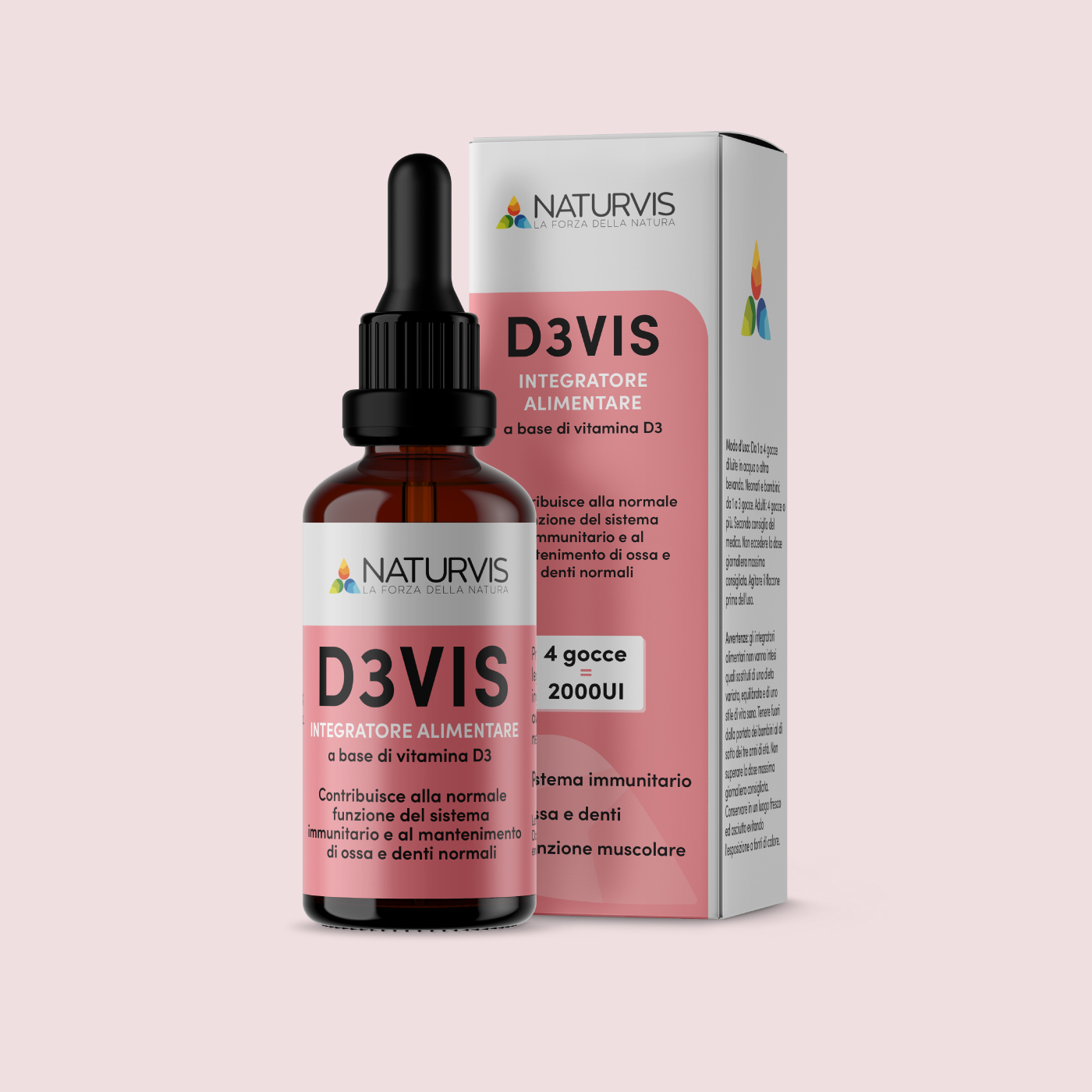
- Supplementation: If vitamin D levels are insufficient, consider taking supplements, after consulting a health professional.
By adopting these practices, you can improve your vitamin D intake and, consequently, your overall well-being.
Conclusion: Embrace the Sun and Nutrition
Spring is an ideal time to renew your focus on health and wellness, particularly regarding vitamin D. Through both diet and sun exposure, it is possible to optimize levels of this important nutrient. Remember that a balanced approach to health includes a varied diet and mindful sun exposure. Investing in your health means taking care of yourself to face the spring season with energy and vitality.



Comments
comments.cta_title
comments.cta_text
comments.login_cta
comments.empty_title
comments.empty_text